
Genome Sequencing Reveals Longevity Secrets of 194-Year-Old Tortoise Jonathan
Why it matters
This research could reshape how scientists approach aging and longevity, potentially impacting healthcare and biotechnology sectors.
What happened (in 30 seconds)
- On October 7, 2026, researchers announced the complete genome sequencing of Jonathan, the world's oldest known land animal.
- The study identified 287 unique gene variants linked to longevity, including those associated with DNA repair and cancer suppression.
- The findings were published in Science Advances, sparking interest in the genetic mechanisms of aging across species.
The context you actually need
- Aldabra giant tortoises are known for their exceptional longevity, often living over 100 years, making them a focal point for aging research.
- Jonathan arrived on St. Helena in 1882 and has lived through significant historical events, prompting scientific interest in his biology and longevity.
- Previous studies on aging-related genes in other species, like Lonesome George, have laid the groundwork for understanding the genetic basis of longevity.
What's really happening
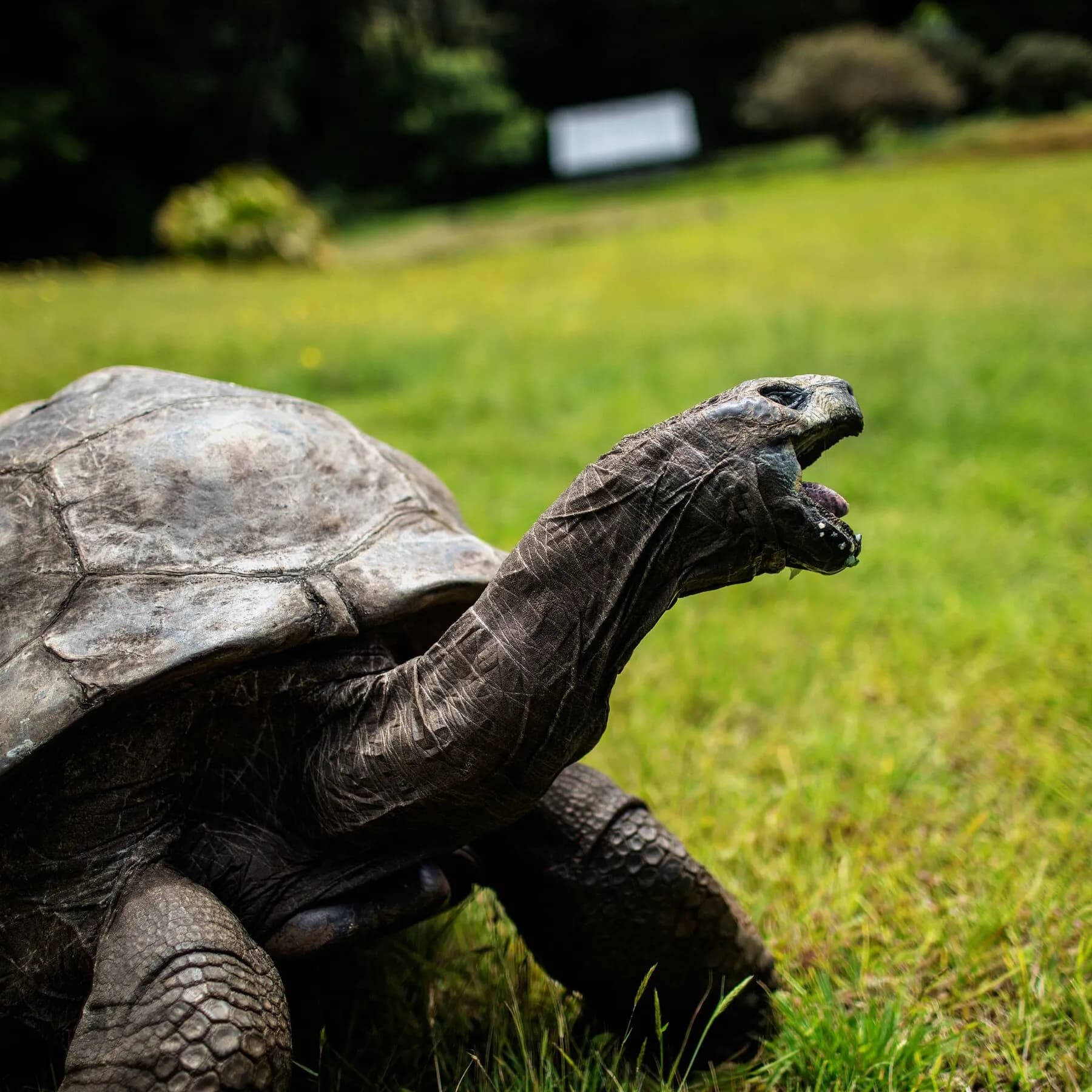
The genome sequencing of Jonathan, the Aldabra giant tortoise, marks a significant milestone in longevity research. This study, led by a team of veterinarians and geneticists, aimed to uncover the genetic secrets behind Jonathan's remarkable lifespan of 194 years. The researchers collected cheek swab samples from Jonathan, overcoming challenges such as bacterial contamination and strict sampling regulations.
The analysis revealed 287 unique gene variants associated with various biological functions crucial for longevity. These include enhanced DNA repair mechanisms, improved mitochondrial function, reduced inflammation, better insulin regulation, and cancer suppression. The stable methylation patterns found in Jonathan's mitochondrial genes resembled those of a much younger tortoise, indicating that his cellular aging processes may differ significantly from those of typical aging organisms.
This research is not just about one tortoise; it opens the door to understanding the conserved mechanisms of aging across species. The implications are vast, as they could lead to breakthroughs in how we approach aging in humans and other animals. By identifying specific genetic variants that contribute to longevity, scientists can explore potential interventions that might mimic these effects in humans, potentially leading to longer, healthier lives.
Moreover, the study's findings could influence various sectors, including healthcare, biotechnology, and even insurance, as longevity becomes a more significant factor in planning for aging populations. The interest generated by Jonathan's genome sequencing could also spur further research into other long-lived species, creating a broader understanding of the biological underpinnings of aging.
Who feels it first (and how)
- Biotechnology companies looking to develop anti-aging therapies may prioritize research based on these findings.
- Healthcare providers could adapt their practices to incorporate insights from longevity research, potentially changing treatment protocols for aging patients.
- Insurance companies might reassess risk models and policies as longevity becomes a more prominent factor in life expectancy calculations.
What to watch next
- Increased funding for longevity research: Watch for potential investments in biotech firms focusing on aging-related therapies, as interest in this field grows.
- Emergence of new health products: Keep an eye on the market for supplements or treatments that claim to enhance longevity based on genetic insights.
- Collaborative studies across species: Look for new research initiatives that aim to compare genetic data from various long-lived species to uncover universal aging mechanisms.
Jonathan's genome has been sequenced, revealing 287 unique gene variants linked to longevity.
The findings will influence future research and potential therapies aimed at extending healthy lifespan in humans.
The direct applications of these findings in human health and longevity remain to be fully understood.
Frequently Asked Questions
- Why it matters?
- This research could reshape how scientists approach aging and longevity, potentially impacting healthcare and biotechnology sectors.
- What happened (in 30 seconds)?
- On October 7, 2026, researchers announced the complete genome sequencing of Jonathan, the world's oldest known land animal. The study identified 287 unique gene variants linked to longevity, including those associated with DNA repair and cancer suppression. The findings were published in Science Advances, sparking interest in the genetic mechanisms of aging across species.
- What's really happening?
- The genome sequencing of Jonathan, the Aldabra giant tortoise, marks a significant milestone in longevity research. This study, led by a team of veterinarians and geneticists, aimed to uncover the genetic secrets behind Jonathan's remarkable lifespan of 194 years. The researchers collected cheek swab samples from Jonathan, overcoming challenges such as bacterial contamination and strict sampling regulations. The analysis revealed 287 unique gene variants associated with various biological func
- Who feels it first (and how)?
- Biotechnology companies looking to develop anti-aging therapies may prioritize research based on these findings. Healthcare providers could adapt their practices to incorporate insights from longevity research, potentially changing treatment protocols for aging patients. Insurance companies might reassess risk models and policies as longevity becomes a more prominent factor in life expectancy calculations.
- What to watch next?
- Increased funding for longevity research: Watch for potential investments in biotech firms focusing on aging-related therapies, as interest in this field grows. Emergence of new health products: Keep an eye on the market for supplements or treatments that claim to enhance longevity based on genetic insights. Collaborative studies across species: Look for new research initiatives that aim to compare genetic data from various long-lived species to uncover universal aging mechanisms.
Scientific research, space, environment, and health coverage.
"The New York Times is a globally recognized newspaper offering authoritative reporting with a center-left editorial stance."
— A47 Editor
Jonathan the Giant Tortoise Is 194 Years Old. He Just Had His Genome Sequenced.
Scientists have successfully sequenced the genome of Jonathan the Giant Tortoise, who is 194 years old, marking a significant milestone in genetic research. This achievement is the first of its kind for the world's oldest land animal, providing a uni...
Scientific discoveries, health, technology, and natural phenomena.
"Live Science reports on scientific discoveries, health, technology, and natural phenomena with a popular science tone."
— A47 Editor
Scientists discover the genetic secrets that may have helped Jonathan the tortoise live to 194 years old
Scientists have sequenced the genome of Jonathan, the world's oldest living land animal, a giant tortoise who has reached the remarkable age of 194 years. This groundbreaking research reveals gene variants and epigenetic changes that may contribute t...
Independent journalism covering technology, AI, and digital culture.
"An independent newsroom by veteran tech reporters known for critical, investigative coverage of AI and tech power."
— A47 Editor
‘Jonathan’ Is the Oldest Land Animal on Earth. He Could Hold the Secrets to Defying Death
Jonathan, a 194-year-old Aldabra giant tortoise, has been identified as the oldest land animal on Earth. Recently, scientists sequenced his genome to uncover the biological mechanisms behind his remarkable longevity, which dates back to before the Ci...
Top international stories selected by The Guardian editors.
"The Guardian is known for its progressive editorial stance and in-depth analysis."
— A47 Editor
Jonathan the giant tortoise, 194, offers up insight into secrets of longevity
Scientists have conducted a DNA analysis of Jonathan, the world's oldest living land animal, a giant tortoise residing in Plantation House, Saint Helena, revealing genetic patterns that may protect mitochondrial function. At 194 years old, Jonathan h...
Reports on science policy, discoveries, and public debate in the scientific realm.
"The Guardian’s science section is known for thoughtful and critical reporting on global research, ethics, and public understanding of science."
— A47 Editor
Jonathan the giant tortoise, 194, offers up insight into secrets of longevity
Scientists have conducted a DNA analysis of Jonathan, the world's oldest living land animal, a giant tortoise residing in Plantation House, Saint Helena, revealing genetic patterns that may protect mitochondrial function. At 194 years old, Jonathan h...
Science and technology stories including AI.
"Longstanding science magazine with thoughtful AI coverage."
— A47 Editor
Scientists unlock the longevity secrets of 194-year-old Jonathan the giant tortoise
Scientists have recently sequenced the genome of Jonathan, a 194-year-old Aldabra giant tortoise, who is recognized as the oldest land animal on Earth. This groundbreaking research aims to uncover the biological mechanisms that contribute to his extr...
Scientific research, technology, environment, and society.
"Scientific American is one of the oldest and most authoritative science magazines, known for deep dives into science, technology, and society."
— A47 Editor
Scientists unlock the longevity secrets of 194-year-old Jonathan the giant tortoise
Scientists have recently sequenced the genome of Jonathan, a 194-year-old Aldabra giant tortoise, who is recognized as the oldest land animal on Earth. This groundbreaking research aims to uncover the biological mechanisms that contribute to his extr...