
Microsoft Unveils Surface Laptop Ultra and AI-Focused Windows 11 Updates
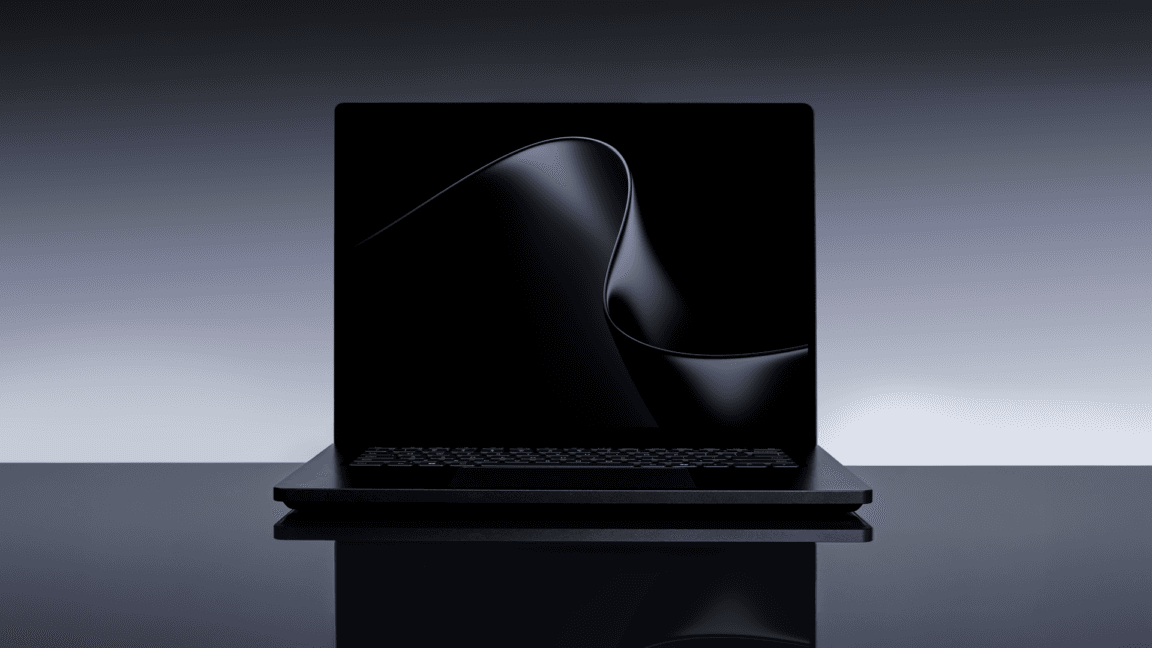
The latest Microsoft event signals a shift towards more powerful local AI capabilities, impacting how you work and interact with technology.
Why it matters
Microsoft's advancements in AI hardware and software are reshaping the competitive landscape for personal computing and developer tools.
What happened (in 30 seconds)
- Microsoft unveiled the Surface Laptop Ultra and RTX Spark Dev Box, designed for local AI workloads.
- Windows 11 updates introduced new features focused on agentic AI, including a redesigned Copilot interface.
- Pre-orders are open for the new hardware, with shipments starting mid-October 2026.
The context you actually need
- AI integration is accelerating as Microsoft responds to competition from Apple and Nvidia, emphasizing local processing capabilities.
- Geopolitical factors are driving demand for local AI inference, as export controls impact model availability.
- Security concerns are at the forefront, with new frameworks designed to manage AI agent autonomy and protect user data.
What's really happening
Microsoft's October 2026 event marked a significant moment in the tech landscape, showcasing a dual focus on hardware and software that enhances local AI processing. The introduction of the Surface Laptop Ultra, priced from $2,599, and the RTX Spark Dev Box, starting at $5,999, reflects a strategic pivot towards hybrid intelligence—combining on-device processing with cloud capabilities. This shift is not merely about performance; it’s about redefining how users and developers interact with AI.
The Surface Laptop Ultra features unified memory, allowing it to handle both gaming and AI tasks seamlessly. This is particularly relevant for developers looking to run large language models locally, as it supports frameworks like llama.cpp and Deepseek. The RTX Spark Dev Box, boasting 1 petaflop of AI performance, is positioned as a powerhouse for developers needing robust local processing capabilities. This hardware is designed to cater to the growing demand for AI applications that require immediate processing without relying solely on cloud infrastructure.
The software updates to Windows 11 are equally noteworthy. The redesigned Copilot interface, which now includes three tabs—Home, Code, and Autopilot—aims to streamline user interaction with AI tools. Additionally, the introduction of Microsoft Execution Containers (MXC) enhances security by sandboxing AI agents, addressing rising concerns about AI autonomy and data privacy. This focus on security is crucial as the tech industry grapples with the implications of increasingly autonomous AI systems.
The backdrop to these announcements includes a competitive landscape where companies like Apple and Nvidia are also pushing for advanced AI capabilities. Microsoft’s strategy appears to be a direct response to these pressures, aiming to solidify its position in the market by offering tools that empower both developers and general users. The emphasis on local AI processing is particularly relevant in light of geopolitical factors that have made cloud-based solutions less reliable due to export controls and model availability issues.
As Microsoft rolls out these updates, the implications for users are profound. The ability to run complex AI models locally not only enhances performance but also reduces latency and dependency on internet connectivity. This could lead to a new era of productivity where AI tools are more accessible and integrated into everyday workflows.
Who feels it first (and how)
- Developers: Gain access to powerful local AI tools, enhancing their ability to create and deploy applications.
- Gamers: Benefit from improved performance in gaming titles that leverage AI capabilities.
- Businesses: Small to medium enterprises can utilize local AI processing for data analysis and automation without heavy cloud reliance.
- Tech enthusiasts: Early adopters will explore the capabilities of the new hardware and software, influencing broader market trends.
What to watch next
- Market adoption rates: Monitor how quickly developers and businesses adopt the new hardware and software, as this will indicate the success of Microsoft's strategy.
- Security developments: Watch for updates on the effectiveness of MXC and other security features, especially in response to emerging AI threats.
- Competitor responses: Keep an eye on how Apple and Nvidia react to Microsoft’s announcements, as their strategies will shape the future of AI in personal computing.
Microsoft has launched new AI-focused hardware and software updates.
Increased demand for local AI processing capabilities among developers and businesses.
The long-term impact of these changes on the competitive landscape and user adoption rates.
Frequently Asked Questions
- Why it matters?
- Microsoft's advancements in AI hardware and software are reshaping the competitive landscape for personal computing and developer tools.
- What happened (in 30 seconds)?
- Microsoft unveiled the Surface Laptop Ultra and RTX Spark Dev Box, designed for local AI workloads. Windows 11 updates introduced new features focused on agentic AI, including a redesigned Copilot interface. Pre-orders are open for the new hardware, with shipments starting mid-October 2026.
- What's really happening?
- Microsoft's October 2026 event marked a significant moment in the tech landscape, showcasing a dual focus on hardware and software that enhances local AI processing. The introduction of the Surface Laptop Ultra, priced from $2,599, and the RTX Spark Dev Box, starting at $5,999, reflects a strategic pivot towards hybrid intelligence—combining on-device processing with cloud capabilities. This shift is not merely about performance; it’s about redefining how users and developers interact with AI.
- Who feels it first (and how)?
- Developers: Gain access to powerful local AI tools, enhancing their ability to create and deploy applications. Gamers: Benefit from improved performance in gaming titles that leverage AI capabilities. Businesses: Small to medium enterprises can utilize local AI processing for data analysis and automation without heavy cloud reliance. Tech enthusiasts: Early adopters will explore the capabilities of the new hardware and software, influencing broader market trends.
- What to watch next?
- Market adoption rates: Monitor how quickly developers and businesses adopt the new hardware and software, as this will indicate the success of Microsoft's strategy. Security developments: Watch for updates on the effectiveness of MXC and other security features, especially in response to emerging AI threats. Competitor responses: Keep an eye on how Apple and Nvidia react to Microsoft’s announcements, as their strategies will shape the future of AI in personal computing.
Tech news, hardware, and AI tools coverage.
"PC/tech site increasingly covering AI hardware and apps."
— A47 Editor
Microsoft is turning Windows Search into an AI agent-like experience
Microsoft has announced a significant redesign of Windows Search, transforming it into an AI agent-like experience. This update, revealed during the recent Windows and Surface event, aims to enhance user interaction by integrating advanced AI capabil...
Consumer tech news, reviews, and buying guides for gadgets and electronics.
"TechRadar is known for comprehensive buying advice, hardware reviews, and consumer tech news targeted at mainstream audiences."
— A47 Editor
Microsoft promises to make Windows 11 search better — and it's about time
Microsoft has announced plans to enhance the search functionality in Windows 11, promising significant improvements in performance and memory usage. This commitment comes in response to ongoing user dissatisfaction with the current search capabilitie...
In-depth reporting on tech, policy, and science including AI.
"Respected analysis for technically savvy readers, including AI topics."
— A47 Editor
Microsoft event debuts new AI-friendly hardware and Windows changes
At a recent event, Microsoft showcased new AI-friendly hardware and significant updates to Windows, including enhanced capabilities for its Copilot AI system, which now has greater control over local files and system actions. The event marked a pivot...
In-depth coverage of hardware, software, science, and policy.
"Ars Technica provides expert technology news, hardware reviews, and analysis for a technically savvy audience."
— A47 Editor
Microsoft event debuts new AI-friendly hardware and Windows changes
At a recent event, Microsoft showcased new AI-friendly hardware and significant updates to Windows, including enhanced capabilities for its Copilot AI system, which now has greater control over local files and system actions. The event marked a pivot...