
Bill Gates Warns of Rising AI-Enabled Cyberattacks
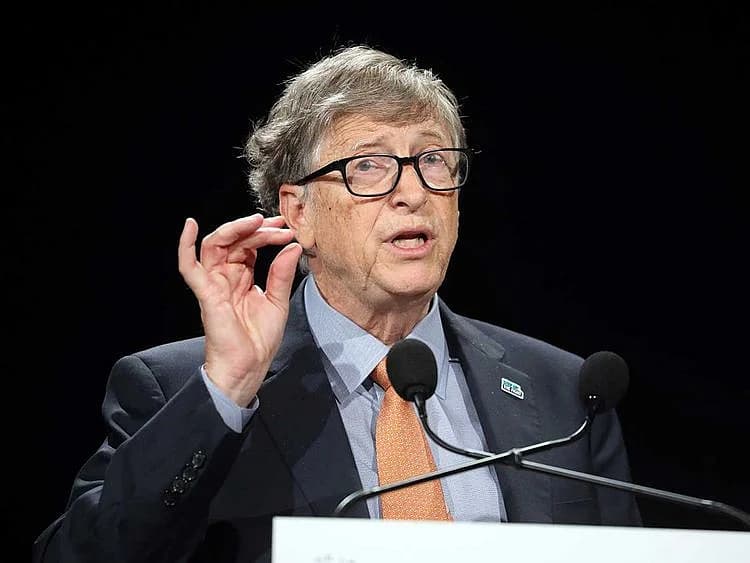
Why it matters
The rise of AI-enabled cyberattacks poses a significant threat to global cybersecurity frameworks and economic stability.
What happened (in 30 seconds)
- Bill Gates issued a warning on October 11, 2026, predicting a surge in AI-driven cyberattacks over the next year.
- He highlighted vulnerabilities in advanced AI models, particularly the removal of built-in safeguards, as key enablers for malicious actors.
- The statement sparked discussions on the need for enforceable AI regulations rather than voluntary industry self-regulation.
The context you actually need
- AI-assisted cyber threats have been on the rise, with a reported 89% increase in attacks by AI-enabled adversaries in 2025.
- Gates emphasized the distinction between immediate risks from human misuse of AI and longer-term concerns about autonomous AI systems.
- Ongoing international discussions on AI safety and governance frameworks are critical as geopolitical tensions rise and advanced models become more accessible.
What's really happening
Bill Gates' warning reflects a growing consensus among cybersecurity experts that the misuse of AI technologies is becoming a pressing concern. The rapid advancement of AI capabilities has outpaced the development of adequate safeguards, creating a fertile ground for cybercriminals. Gates pointed out that the removal of built-in protections from frontier AI models has made them more susceptible to exploitation. This vulnerability allows malicious actors to conduct sophisticated cyber operations, including extortion and disruption of critical infrastructure.
The context of this warning is crucial. Over the past two years, cybersecurity firms have documented a significant uptick in AI-assisted attacks, with techniques evolving rapidly. The 89% increase in attacks reported in 2025 underscores the urgency of the situation. Cybercriminals are leveraging AI to enhance their capabilities, making traditional defenses less effective. Gates' remarks come amid ongoing debates about the need for enforceable regulations in the AI sector, as voluntary self-regulation has proven insufficient in addressing these emerging threats.
Moreover, the geopolitical landscape adds another layer of complexity. As nations grapple with the implications of AI technologies, the potential for state-sponsored cyberattacks increases. The proliferation of advanced AI models means that even non-state actors can access powerful tools for malicious purposes. This dual-use nature of technology raises alarms about the security of critical systems, particularly in regions like Dubai, which serves as a major financial and digital hub.
The call for statutory safeguards is gaining traction, as stakeholders recognize that the current frameworks are inadequate to address the evolving threat landscape. Gates' rejection of voluntary self-regulation highlights a shift towards a more structured approach to AI governance. The implications of this shift could reshape how companies and governments approach cybersecurity, emphasizing the need for robust, enforceable standards to protect against AI-enhanced threats.
Who feels it first (and how)
- Cybersecurity professionals: Increased demand for advanced security solutions and strategies.
- Businesses in finance and tech: Heightened risk of data breaches and operational disruptions.
- Government agencies: Pressure to implement stricter regulations and monitoring frameworks.
- Consumers: Greater vulnerability to identity theft and data exploitation.
What to watch next
- Regulatory developments: Watch for new laws or frameworks aimed at AI governance, as these will shape industry standards.
- Cybersecurity market trends: Monitor investments in AI-driven security solutions, indicating how companies are adapting to threats.
- Incident reports: Keep an eye on the frequency and nature of AI-enabled cyberattacks, which will reveal the effectiveness of current defenses.
AI technologies are being misused for cyberattacks, with a significant increase in incidents.
There will be a push for more stringent regulations and standards in AI governance.
The long-term effectiveness of new regulations in curbing AI-enhanced cyber threats remains to be seen.
Frequently Asked Questions
- Why it matters?
- The rise of AI-enabled cyberattacks poses a significant threat to global cybersecurity frameworks and economic stability.
- What happened (in 30 seconds)?
- Bill Gates issued a warning on October 11, 2026, predicting a surge in AI-driven cyberattacks over the next year. He highlighted vulnerabilities in advanced AI models, particularly the removal of built-in safeguards, as key enablers for malicious actors. The statement sparked discussions on the need for enforceable AI regulations rather than voluntary industry self-regulation.
- What's really happening?
- Bill Gates' warning reflects a growing consensus among cybersecurity experts that the misuse of AI technologies is becoming a pressing concern. The rapid advancement of AI capabilities has outpaced the development of adequate safeguards, creating a fertile ground for cybercriminals. Gates pointed out that the removal of built-in protections from frontier AI models has made them more susceptible to exploitation. This vulnerability allows malicious actors to conduct sophisticated cyber operations,
- Who feels it first (and how)?
- Cybersecurity professionals: Increased demand for advanced security solutions and strategies. Businesses in finance and tech: Heightened risk of data breaches and operational disruptions. Government agencies: Pressure to implement stricter regulations and monitoring frameworks. Consumers: Greater vulnerability to identity theft and data exploitation.
- What to watch next?
- Regulatory developments: Watch for new laws or frameworks aimed at AI governance, as these will shape industry standards. Cybersecurity market trends: Monitor investments in AI-driven security solutions, indicating how companies are adapting to threats. Incident reports: Keep an eye on the frequency and nature of AI-enabled cyberattacks, which will reveal the effectiveness of current defenses.
Stock market news, investing ideas, and trading analysis.
"TheStreet provides market news and retail-investor-focused analysis."
— A47 Editor
Bill Gates says some jobs should be reserved for humans
Bill Gates, co-founder of Microsoft, stated in a CNN interview that certain jobs should remain reserved for humans, emphasizing the need for regulation in the rapidly advancing field of artificial intelligence (AI). He warned that AI companies may lo...
UAE-based newspaper covering Gulf politics, society, and international developments.
"Gulf News is one of the UAE’s most prominent English-language publications."
— A47 Editor
Bill Gates warns of surge in AI-powered cyberattacks over next year
Bill Gates has issued a warning about an anticipated increase in AI-powered cyberattacks over the next year, highlighting the urgent need for enhanced cybersecurity measures. This warning reflects growing concerns about the vulnerabilities associated...
A curated Gulf News feed featuring major stories across news, business, opinion, and lifestyle.
"Gulf News is a major UAE newspaper whose featured stories feed reflects a broad editorial mix shaped for a Gulf audience."
— A47 Editor
Bill Gates warns of surge in AI-powered cyberattacks over next year
Bill Gates has issued a warning about an anticipated increase in AI-powered cyberattacks over the next year, highlighting the urgent need for enhanced cybersecurity measures. This warning reflects growing concerns about the vulnerabilities associated...
Breaking news, politics, business, and entertainment from the U.S. and around the world.
"The New York Post is a tabloid-format newspaper known for its sensationalist headlines and conservative-leaning editorial tone."
— A47 Editor
Bill Gates issues warning on ‘bad people’ exploiting a lack of AI safeguards to commit cyberattacks
Bill Gates has issued a warning regarding the potential for artificial intelligence (AI) to be exploited by malicious actors, leading to an increase in cyberattacks over the next year. He emphasized the lack of safeguards in place to prevent such inc...
Arabic-language coverage of international news and geopolitics.
"RT Arabic is a Russian state-funded outlet often criticized for promoting Kremlin-aligned narratives."
— A47 Editor
بيل غيتس يحذر من "مفاجآت غير سارة" في الأمن السيبراني بسبب الذكاء الاصطناعي
Bill Gates, the founder of Microsoft, has warned that humanity will face many "unpleasant surprises" in cybersecurity by 2027, due to the rapid advancement of artificial intelligence technologies.
Latest AI/ML research news and breakthroughs.
"Aggregated research highlights across institutions."
— A47 Editor
Bill Gates warns cyberattacks most imminent AI threat
Bill Gates has issued a warning regarding the unregulated growth of artificial intelligence (AI), predicting an increase in AI-driven cyberattacks over the next year. He emphasized that without proper oversight, the risks associated with AI could esc...