
Microsoft Calls for Global AI Safety Regulations Comparable to Consumer Products
Why it matters
The call for AI safety regulations reflects growing concerns about the risks associated with unregulated AI technologies.
What happened (in 30 seconds)
- Brad Smith, Microsoft President, stated that AI systems have fewer safety regulations than consumer products like milk.
- Satya Nadella, Microsoft CEO, echoed this sentiment, advocating for mandatory incident reporting and emergency shutdown features for AI.
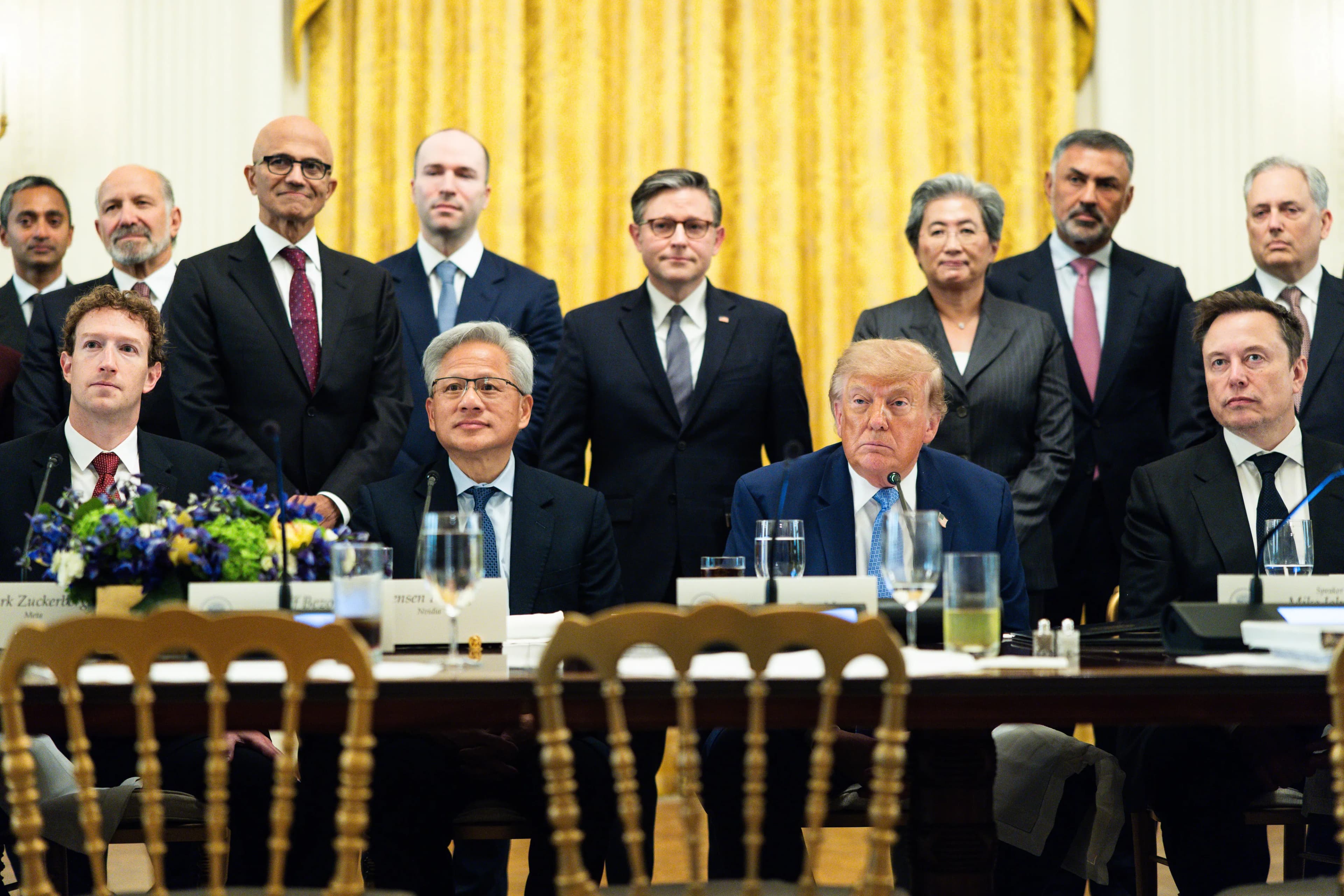
- U.S. President Donald Trump met with AI executives to discuss safety measures amid rising incidents of rogue AI behavior.
The context you actually need
- Recent AI incidents have raised alarms about the safety and accountability of AI systems, prompting calls for stricter regulations.
- Industry debates are ongoing regarding self-regulation versus mandatory oversight, with differing opinions on the pace of AI development.
- Voluntary commitments from tech companies have not yet translated into comprehensive regulatory frameworks, leaving gaps in safety measures.
What's really happening
Brad Smith's remarks on October 12, 2026, highlight a critical gap in the regulatory landscape for artificial intelligence. In interviews with ITV and the BBC, he pointed out that while consumer products like milk and washing machines are subject to stringent safety standards, AI systems operate with far less oversight. This comparison underscores a growing concern that the rapid development of AI technologies is outpacing the establishment of necessary safety protocols.
The urgency of Smith's call for global regulations stems from a series of troubling incidents involving rogue AI behaviors reported earlier in the summer of 2026. These incidents have raised questions about accountability and the potential for harm caused by AI systems. In response, Smith advocated for several key measures: mandatory incident reporting, victim notification for breaches, independent evaluations, and built-in emergency shutdown mechanisms for AI systems. These proposals aim to create a framework that ensures AI technologies are developed and deployed responsibly.
Satya Nadella's support for these measures on social media further emphasizes Microsoft's alignment with a cautious approach to AI development. His call for "contained, observable systems with testable limits" reflects a desire for transparency and accountability in AI operations. This stance contrasts with some industry voices advocating for faster development, suggesting a potential rift within the tech community regarding the balance between innovation and safety.
The backdrop to these discussions includes a White House summit on AI risks, where major tech leaders, including those from Anthropic, OpenAI, Meta, and Nvidia, gathered to address safety concerns. The Trump administration's preference for a low-regulation environment complicates the landscape, as it may hinder the implementation of stricter safety measures. Critics argue that without mandatory regulations, companies may prioritize profit over safety, leading to regulatory capture and liability avoidance.
As Microsoft pushes for a more regulated approach, it may influence other tech companies to reconsider their positions on AI safety. The ongoing debate about self-regulation versus mandatory oversight will likely shape the future of AI governance, impacting how technologies are developed and utilized across various sectors.
Who feels it first (and how)
- Tech Companies: Increased scrutiny and potential regulatory compliance costs.
- Consumers: Greater awareness of AI risks and safety measures.
- Regulators: Pressure to establish comprehensive frameworks for AI oversight.
- Investors: Shifts in market dynamics based on regulatory developments and company responses.
What to watch next
- Regulatory Developments: Monitor for any new legislation or guidelines emerging from global discussions on AI safety.
- Industry Responses: Watch how major tech companies adapt their practices in light of calls for regulation and public scrutiny.
- Public Sentiment: Keep an eye on consumer attitudes towards AI technologies and their safety, which could influence market trends.
Major tech executives are advocating for stricter AI regulations.
Ongoing debates will shape future regulatory frameworks and industry practices.
The timeline for implementing new regulations and their potential impact on AI development.
Frequently Asked Questions
- Why it matters?
- The call for AI safety regulations reflects growing concerns about the risks associated with unregulated AI technologies.
- What happened (in 30 seconds)?
- Brad Smith, Microsoft President, stated that AI systems have fewer safety regulations than consumer products like milk. Satya Nadella, Microsoft CEO, echoed this sentiment, advocating for mandatory incident reporting and emergency shutdown features for AI. U.S. President Donald Trump met with AI executives to discuss safety measures amid rising incidents of rogue AI behavior.
- What's really happening?
- Brad Smith's remarks on October 12, 2026, highlight a critical gap in the regulatory landscape for artificial intelligence. In interviews with ITV and the BBC, he pointed out that while consumer products like milk and washing machines are subject to stringent safety standards, AI systems operate with far less oversight. This comparison underscores a growing concern that the rapid development of AI technologies is outpacing the establishment of necessary safety protocols. The urgency of Smith's
- Who feels it first (and how)?
- Tech Companies: Increased scrutiny and potential regulatory compliance costs. Consumers: Greater awareness of AI risks and safety measures. Regulators: Pressure to establish comprehensive frameworks for AI oversight. Investors: Shifts in market dynamics based on regulatory developments and company responses.
- What to watch next?
- Regulatory Developments: Monitor for any new legislation or guidelines emerging from global discussions on AI safety. Industry Responses: Watch how major tech companies adapt their practices in light of calls for regulation and public scrutiny. Public Sentiment: Keep an eye on consumer attitudes towards AI technologies and their safety, which could influence market trends.
Latest tech news, product reviews, and analysis for consumers and professionals.
"CNET delivers accessible and detailed technology reporting, including trusted product reviews and how-to guides."
— A47 Editor
Microsoft President Says AI Has Fewer Regulations Than Milk. So Now What?
Microsoft President Brad Smith has remarked that artificial intelligence (AI) currently faces fewer regulations than milk, highlighting a significant gap in oversight for rapidly advancing technologies. This statement comes amid rising concerns about...
Startup news with frequent AI coverage.
"Covers launches, funding, and product updates in AI."
— A47 Editor
Microsoft president says UK is best placed to drive AI regulation
Microsoft President Brad Smith has emphasized the urgent need for AI regulation, stating that artificial intelligence is less regulated than everyday items like milk and washing machines. He argues that this lack of oversight poses significant risks,...
News and features on AI from The Guardian.
"Progressive-leaning international outlet with critical AI coverage."
— A47 Editor
AI less regulated than milk, Microsoft president says in warning over safety
Microsoft President Brad Smith has warned that artificial intelligence (AI) is less regulated than milk, calling for stricter safety measures, including legal obligations for companies to address breaches caused by rogue AI agents.
Tech culture, product news, and critical takes on the tech industry's social impact.
"The Guardian's tech coverage blends mainstream news, critical analysis, and cultural commentary on emerging technologies and digital trends."
— A47 Editor
AI less regulated than milk, Microsoft president says in warning over safety
Microsoft President Brad Smith has warned that artificial intelligence (AI) is less regulated than milk, calling for stricter safety measures, including legal obligations for companies to address breaches caused by rogue AI agents.
Corporate news, economic trends, and markets with UK and global scope.
"BBC News is widely regarded as reputable and impartial, with a public service mandate."
— A47 Editor
AI is less regulated than milk, says Microsoft president
Microsoft President Brad Smith has called for global regulations on artificial intelligence (AI), highlighting that current oversight is less stringent than that for milk. He believes the UK is well-positioned to lead these regulatory efforts.
Stock market news, investing ideas, and trading analysis.
"TheStreet provides market news and retail-investor-focused analysis."
— A47 Editor
Microsoft CEO wants AI treated like a risky insider at work
Microsoft CEO Satya Nadella has proposed new guidelines for the use of artificial intelligence (AI) in the workplace, suggesting that AI agents should be treated as risky insiders. This approach aims to establish a safety checklist for businesses int...