
Perseverance Rover Sets New Off-World Driving Record on Mars
Why it matters
This milestone underscores the rapid evolution of space exploration technology, which can have ripple effects across various sectors on Earth.
What happened (in 30 seconds)
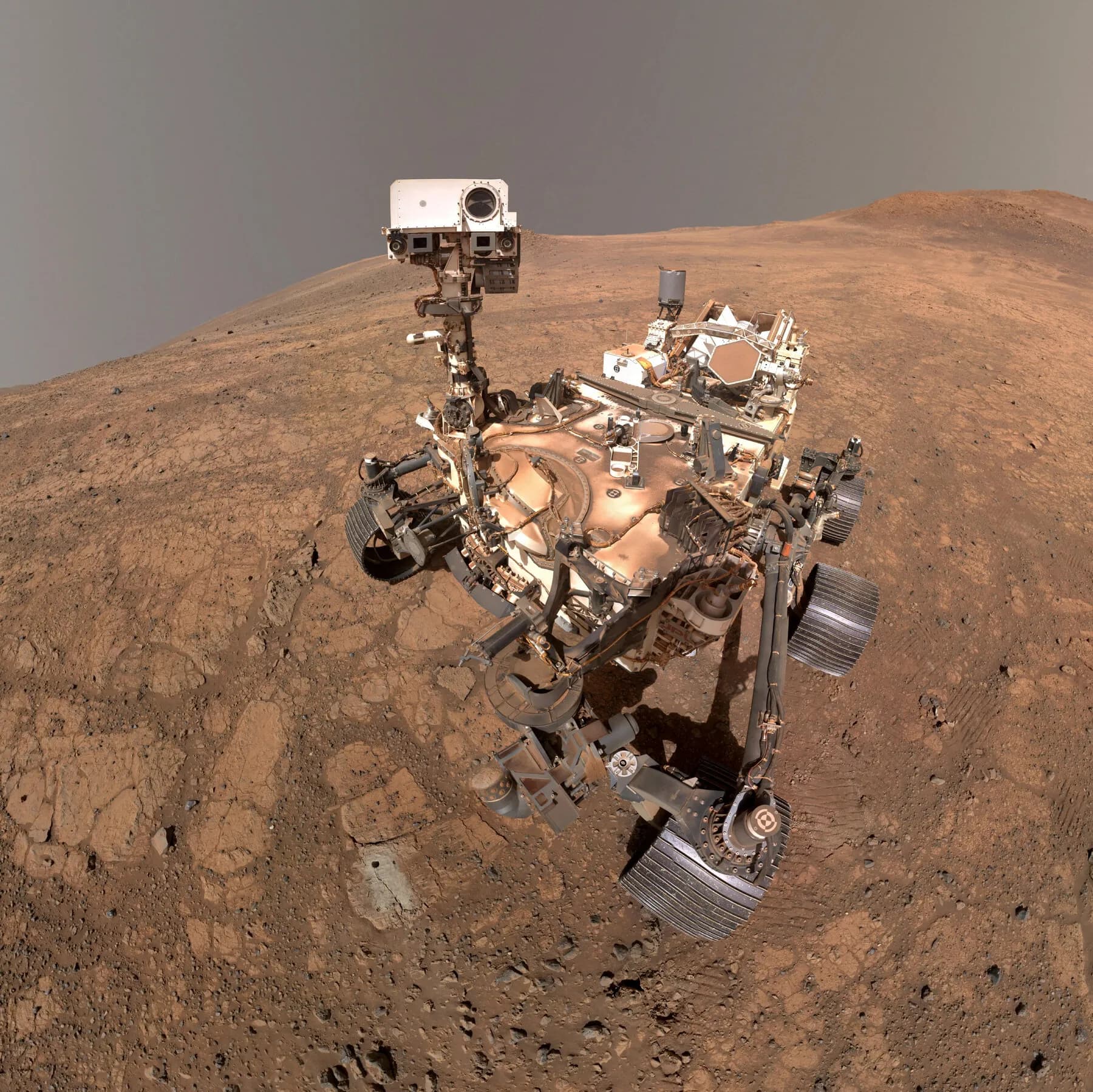
- Perseverance rover set a new record on October 11, 2026, driving a cumulative distance of 28.10 miles (45.22 km) on Mars.
- NASA's Jet Propulsion Laboratory confirmed the achievement, surpassing the previous record held by the Opportunity rover.
- Autonomous navigation technology played a crucial role, allowing Perseverance to cover distances efficiently while conducting scientific research.
The context you actually need
- Incremental progress: Previous Mars rovers, like Opportunity and Spirit, laid the groundwork for advancements in mobility and autonomy.
- Scientific focus: Perseverance's mission targets Jezero Crater, aiming to uncover evidence of ancient microbial life, which could reshape our understanding of life beyond Earth.
- Technological advancements: The rover's AutoNav systems process extensive terrain data, enabling over 90% of its driving to occur autonomously, showcasing significant improvements in robotic exploration.
What's really happening
On October 11, 2026, NASA's Perseverance rover achieved a significant milestone by surpassing the previous off-world driving record set by the Opportunity rover. This achievement is not merely a matter of distance; it reflects the culmination of years of technological advancements in autonomous navigation and robotic exploration. Since landing on Mars in February 2021, Perseverance has been systematically exploring Jezero Crater, a site chosen for its potential to harbor ancient microbial life.
The rover's journey to this record was strategic. Mission planners anticipated reaching the milestone earlier but opted to delay progress to conduct scientific investigations of light-colored rocks, believed to be among the oldest on Mars. This decision highlights the dual objectives of the mission: to push the boundaries of exploration while prioritizing scientific discovery.
Perseverance's advanced AutoNav systems are a game-changer in the realm of space exploration. By processing hundreds of thousands of terrain measurements per image, the rover can navigate complex Martian landscapes with minimal human intervention. This capability allows it to cover significant distances while simultaneously conducting scientific sampling, a feat that was not possible with earlier rovers.
The implications of this achievement extend beyond Mars. The technologies developed for Perseverance can be adapted for various applications on Earth, particularly in sectors that rely on autonomous systems, such as transportation, agriculture, and disaster response. As these technologies mature, they could lead to more efficient operations and enhanced data analysis capabilities across industries.
Moreover, the success of Perseverance reinforces the importance of continued investment in space exploration. As nations and private entities increasingly engage in space missions, the knowledge and technologies derived from these endeavors will likely influence economic and technological landscapes on Earth.
In summary, the record set by Perseverance is a testament to human ingenuity and the relentless pursuit of knowledge. It serves as a reminder that the exploration of other worlds can yield benefits that resonate far beyond the confines of our planet.
Who feels it first (and how)
- Space agencies: Organizations like NASA and ESA will leverage advancements for future missions.
- Tech companies: Firms developing autonomous systems and AI will find new applications for their technologies.
- Researchers: Scientists studying astrobiology and planetary science will gain insights from Perseverance's findings.
- Education sectors: Increased interest in STEM fields as students are inspired by space exploration achievements.
What to watch next
- Continued exploration: Watch for updates on Perseverance's ongoing mission and any new discoveries in Jezero Crater.
- Technological adaptations: Monitor how advancements in autonomous navigation are applied in terrestrial industries.
- International collaborations: Look for partnerships between space agencies and private companies that may emerge as a result of this milestone.
Perseverance has set a new off-world driving record.
The technologies developed for this mission will influence various sectors on Earth.
The full extent of the scientific discoveries from Perseverance's mission remains to be seen.
Frequently Asked Questions
- Why it matters?
- This milestone underscores the rapid evolution of space exploration technology, which can have ripple effects across various sectors on Earth.
- What happened (in 30 seconds)?
- Perseverance rover set a new record on October 11, 2026, driving a cumulative distance of 28.10 miles (45.22 km) on Mars. NASA's Jet Propulsion Laboratory confirmed the achievement, surpassing the previous record held by the Opportunity rover. Autonomous navigation technology played a crucial role, allowing Perseverance to cover distances efficiently while conducting scientific research.
- What's really happening?
- On October 11, 2026, NASA's Perseverance rover achieved a significant milestone by surpassing the previous off-world driving record set by the Opportunity rover. This achievement is not merely a matter of distance; it reflects the culmination of years of technological advancements in autonomous navigation and robotic exploration. Since landing on Mars in February 2021, Perseverance has been systematically exploring Jezero Crater, a site chosen for its potential to harbor ancient microbial life.
- Who feels it first (and how)?
- Space agencies: Organizations like NASA and ESA will leverage advancements for future missions. Tech companies: Firms developing autonomous systems and AI will find new applications for their technologies. Researchers: Scientists studying astrobiology and planetary science will gain insights from Perseverance's findings. Education sectors: Increased interest in STEM fields as students are inspired by space exploration achievements.
- What to watch next?
- Continued exploration: Watch for updates on Perseverance's ongoing mission and any new discoveries in Jezero Crater. Technological adaptations: Monitor how advancements in autonomous navigation are applied in terrestrial industries. International collaborations: Look for partnerships between space agencies and private companies that may emerge as a result of this milestone.
Tech policy, trends, and innovation news.
"The New York Times is a globally recognized newspaper offering authoritative reporting with a center-left editorial stance."
— A47 Editor
NASA’s Perseverance Rover Sets a Mars Driving Record
NASA's Perseverance Rover has achieved a significant milestone by setting a new driving record on Mars, showcasing the advancements in self-driving technology that facilitate exploration of distant worlds. This achievement highlights the rover's capa...
News in science and technology, with a focus on consumer and innovation stories.
"Popular Science simplifies complex scientific topics for general audiences and celebrates innovation."
— A47 Editor
NASA’s Perseverance Mars rover sets distance record
NASA's Perseverance Mars rover has set a new distance record, traveling over 28 miles on the Martian surface, and is expected to continue its journey until at least 2028. This achievement underscores the rover's advanced capabilities in exploring the...
Photography news including AI tools and ethics.
"Covers AI’s impact on imaging and creative workflows."
— A47 Editor
NASA Perseverance Mars Rover Sets New Record for Off-World Distance Driven
NASA's Perseverance Mars rover has set a new record for the most distance driven by any vehicle on the surface of another planet, marking a significant achievement in space exploration. This milestone was officially announced on October 13, 2026, sho...
Space science news, astronomy updates, and spaceflight developments.
"Space.com delivers space science news, astronomy updates, and spaceflight developments with engaging coverage."
— A47 Editor
NASA's Perseverance Mars rover breaks interplanetary driving record — and it's far from done
NASA's Perseverance Mars rover has set a new record for the farthest distance driven on Mars, surpassing the previous record held by the Opportunity rover. This achievement marks a significant milestone in interplanetary exploration, with Perseveranc...
Technology and innovation coverage, including consumer tech and digital transformation stories.
"Emirates 24|7 technology coverage often highlights practical tech developments with relevance to Gulf readers and businesses."
— A47 Editor
Mars rover Perseverance sets record for longest drive on another world
NASA's Perseverance rover has achieved a significant milestone by setting a new record for the longest distance traveled by any vehicle on another planet, covering 28.1 miles (45.2 km) on Mars since its landing over five years ago. This surpasses the...
Scientific research, space, environment, and health coverage.
"The New York Times is a globally recognized newspaper offering authoritative reporting with a center-left editorial stance."
— A47 Editor
NASA’s Perseverance Rover Sets a Mars Driving Record
NASA's Perseverance Rover has achieved a significant milestone by setting a new driving record on Mars, showcasing advancements in self-driving technology that facilitate exploration of the planet's surface. This achievement highlights the rover's ca...
Tech industry coverage with AI angles.
"Mainstream tech news intersecting with AI policy and culture."
— A47 Editor
NASA’s Perseverance Rover Sets a Mars Driving Record
NASA's Perseverance Rover has achieved a significant milestone by setting a new driving record on Mars, showcasing advancements in self-driving technology that facilitate exploration of the planet's surface. This achievement highlights the rover's ca...