
Israeli Ad Firm Uncovered for Global Surveillance via Online Advertising
Why it matters
The intersection of digital advertising and surveillance raises significant concerns about privacy and data security in the online ecosystem.
What happened (in 30 seconds)
- Investigations revealed that Israeli ad firm Discover-Tech conducted a global surveillance operation using online ads to track users and deliver spyware.
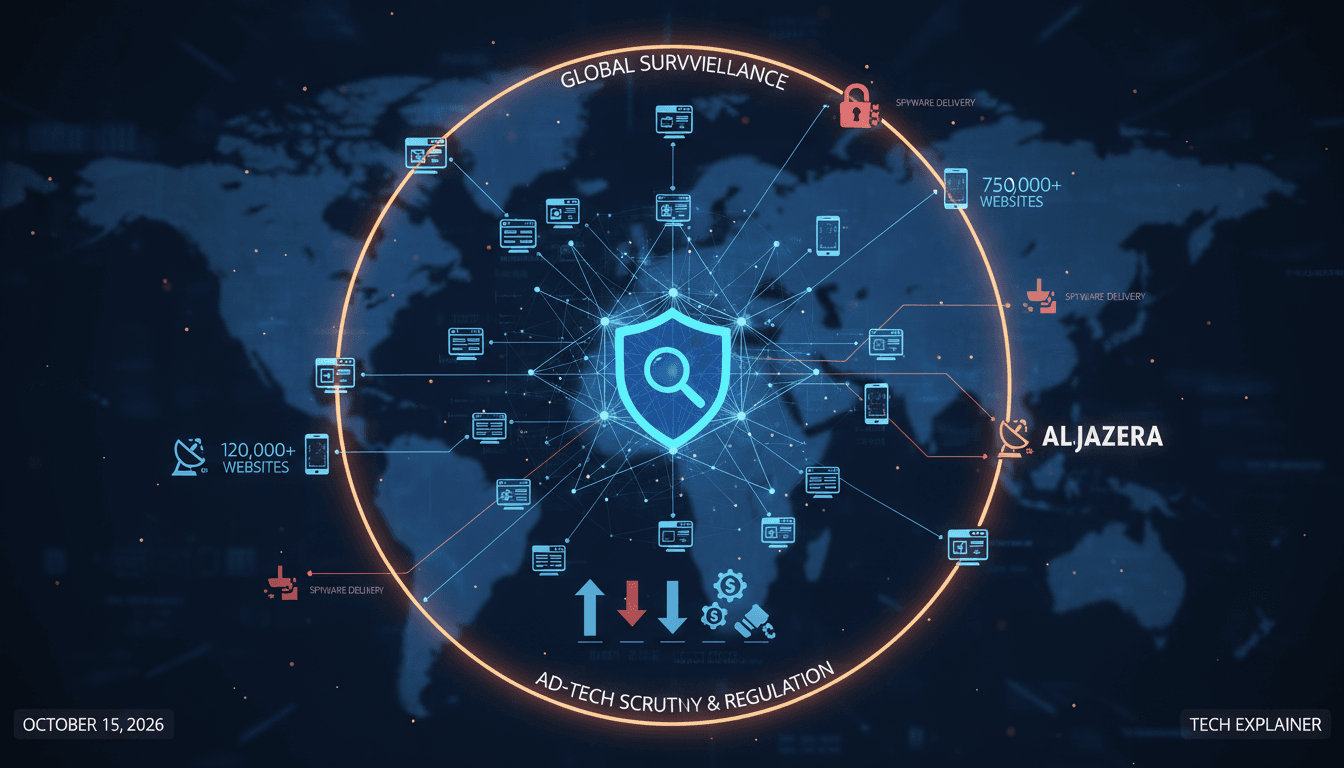
- Over 120,000 websites and 75,000 apps were involved, with at least 10 million ads served daily, facilitating data harvesting and spyware delivery.
- Major ad platforms like Google and Comcast severed ties with Discover-Tech following the revelations, prompting scrutiny of ad-tech practices.
The context you actually need
- Discover-Tech's Controlium system transformed routine ad auctions into tools for surveillance, enabling extensive tracking of users.
- Candiru spyware, previously blacklisted by the US, was delivered through these ads, targeting sensitive organizations like Al Jazeera.
- The ad-tech ecosystem has increasingly been linked to state-sponsored cyber operations, raising alarms about the security of digital advertising infrastructures.
What's really happening
On October 15, 2026, Citizen Lab and Confiant published findings that exposed the extensive surveillance operation orchestrated by Discover-Tech, an Israeli digital advertising agency. This operation utilized a sophisticated system known as Controlium, which turned standard ad auctions into mechanisms for tracking and data collection. Between March and June 2026, Discover-Tech served a staggering minimum of 10 million ads daily across nearly 200,000 websites and apps. This massive scale allowed the firm to harvest user fingerprints, cookies, and tokens, effectively creating detailed profiles of individuals without their consent.
The implications of this operation are profound. Discover-Tech's ads not only promoted everyday products but also facilitated the delivery of Candiru spyware, which has been linked to breaches at Al Jazeera and other sensitive networks. The targeted regions included Palestine and various international organizations, including UN and NATO networks, indicating a strategic focus on high-value targets. The operation's reach into the digital spaces of the Gulf, particularly the UAE, raises concerns about the potential tracking of residents and organizations in Dubai and surrounding areas.
In response to the revelations, major ad platforms like Google acted swiftly to terminate Discover-Tech's access, while IAB Europe suspended its membership. This reaction underscores a growing awareness and concern regarding the vulnerabilities inherent in the ad-tech ecosystem. The incident has sparked calls for regulatory reforms aimed at addressing systemic security risks associated with online advertising practices. As scrutiny intensifies, the ad-tech industry may face significant changes in how data is collected and used, with potential implications for advertisers, consumers, and regulatory bodies alike.
Who feels it first (and how)
- Digital advertisers: Increased scrutiny may lead to stricter regulations and changes in how ads are served.
- Consumers: Heightened awareness of privacy risks could shift user behavior and demand for more secure online experiences.
- Media organizations: Targeted attacks on press freedom may lead to calls for stronger protections against surveillance.
What to watch next
- Regulatory changes: Watch for new legislation aimed at enhancing data privacy and security in digital advertising.
- Market shifts: Monitor how ad platforms adjust their policies and practices in response to increased scrutiny.
- Technological innovations: Keep an eye on emerging technologies that prioritize user privacy and data protection in advertising.
Discover-Tech's operation involved extensive tracking and spyware delivery through online ads.
Regulatory bodies will implement stricter guidelines for ad-tech practices in the wake of these revelations.
The long-term impact on consumer trust in digital advertising remains to be seen.
Frequently Asked Questions
- Why it matters?
- The intersection of digital advertising and surveillance raises significant concerns about privacy and data security in the online ecosystem.
- What happened (in 30 seconds)?
- Investigations revealed that Israeli ad firm Discover-Tech conducted a global surveillance operation using online ads to track users and deliver spyware. Over 120,000 websites and 75,000 apps were involved, with at least 10 million ads served daily, facilitating data harvesting and spyware delivery. Major ad platforms like Google and Comcast severed ties with Discover-Tech following the revelations, prompting scrutiny of ad-tech practices.
- What's really happening?
- On October 15, 2026, Citizen Lab and Confiant published findings that exposed the extensive surveillance operation orchestrated by Discover-Tech, an Israeli digital advertising agency. This operation utilized a sophisticated system known as Controlium, which turned standard ad auctions into mechanisms for tracking and data collection. Between March and June 2026, Discover-Tech served a staggering minimum of 10 million ads daily across nearly 200,000 websites and apps. This massive scale allowed
- Who feels it first (and how)?
- Digital advertisers: Increased scrutiny may lead to stricter regulations and changes in how ads are served. Consumers: Heightened awareness of privacy risks could shift user behavior and demand for more secure online experiences. Media organizations: Targeted attacks on press freedom may lead to calls for stronger protections against surveillance.
- What to watch next?
- Regulatory changes: Watch for new legislation aimed at enhancing data privacy and security in digital advertising. Market shifts: Monitor how ad platforms adjust their policies and practices in response to increased scrutiny. Technological innovations: Keep an eye on emerging technologies that prioritize user privacy and data protection in advertising.
RT is a Russian state-funded network covering global events from a Russian perspective.
"RT is widely criticized for promoting pro-Kremlin narratives and is considered by many to be a state propaganda outlet."
— A47 Editor
Wired for War: Israeli firm ran global surveillance operation through online ads, investigation finds
An investigation has revealed that the Israeli firm Discover-Tech conducted a global surveillance operation by exploiting digital advertising infrastructure to track targets and deliver spyware. This operation reportedly utilized online ads to deploy...
English-language digital publication covering business, politics, technology, and current affairs.
"The Arabian Post mixes original and syndicated-style coverage with a broad regional and global business-news orientation."
— A47 Editor
Israeli advertising firm linked to global spyware campaign
An Israeli advertising company, Discover-Tech, has been linked to a global spyware campaign that uses online advertisements to track users and facilitate spyware infections, potentially affecting hundreds of millions worldwide. Investigations by the ...
UAE-based English-language newspaper covering regional politics, economics, and global affairs.
"The National reflects Emirati policy perspectives while maintaining international editorial standards."
— A47 Editor
Israeli company used online ads to run spy operation against 'hundreds of millions of people'
An Israeli company has reportedly utilized online advertisements to conduct a spy operation targeting hundreds of millions of individuals globally. This operation raises significant concerns regarding privacy and the ethical implications of using dig...