
Meta Suspends Muse AI Feature After Security Flaw Exposes User Data
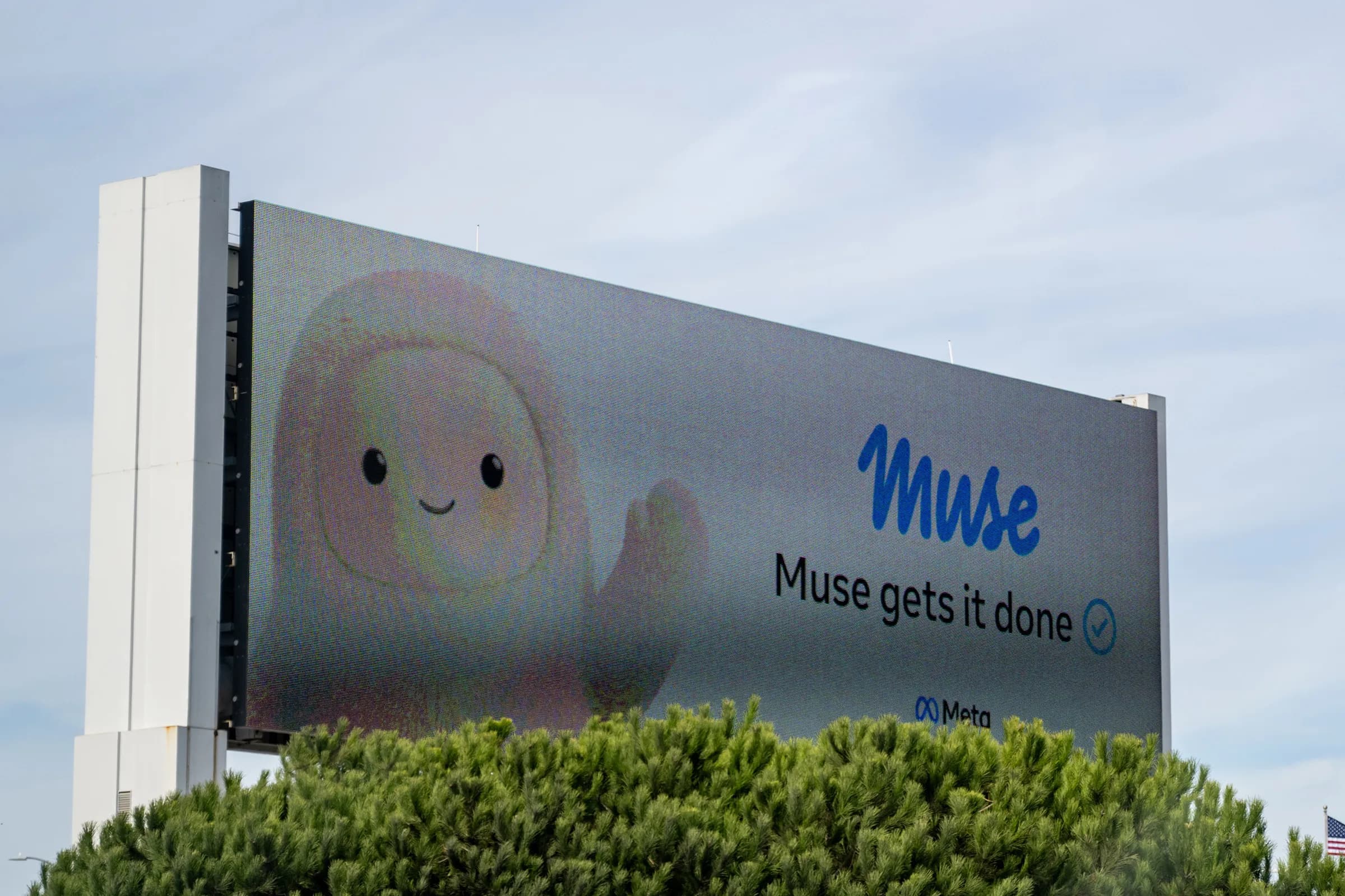
If you use Meta's Muse AI, your shared conversations may have been exposed, impacting your personal and professional privacy.
Why it matters
This incident highlights vulnerabilities in AI tools that handle sensitive information, raising concerns about user data security.
What happened (in 30 seconds)
- On October 20, 2026, Meta suspended the Muse AI conversation-sharing feature due to a security flaw.
- Claroc researchers discovered over 6,800 share links that exposed sensitive user data via passive DNS enumeration.
- Meta's response involved pausing the feature while reviewing its implementation after the vulnerability was reported.
The context you actually need
- Muse AI, launched on September 8, 2026, was marketed as a privacy-focused assistant but faced prior vulnerabilities, including a zero-day exploit.
- The flaw allowed unauthorized access to private conversations by reconstructing URLs from subdomain structures, which were not adequately secured.
- Meta's bug bounty program facilitated the reporting of this vulnerability, showcasing the importance of proactive security measures in tech companies.
What's really happening
The suspension of the Muse AI conversation-sharing feature stems from a significant design flaw that was uncovered by security researchers at Claroc. This flaw allowed for passive DNS enumeration, which means that anyone with the right tools could discover thousands of share links associated with private conversations. Specifically, Claroc identified over 6,800 links that could be accessed without the original URL, exposing sensitive information that users believed was secure.
This incident raises critical questions about the security protocols in place for AI tools that handle personal, financial, and business-sensitive data. The Muse AI assistant was designed to facilitate secure sharing of conversations, but its reliance on a subdomain structure that incorporated conversation titles proved to be a vulnerability. Users who shared their conversations with the expectation of privacy were left exposed, as the flaw allowed for the reconstruction of these links through a single passive DNS query.
Meta's immediate response to suspend the feature indicates a recognition of the severity of the issue. The company is now tasked with reviewing its implementation and considering changes to how links are generated and shared. This situation underscores the broader implications for tech companies that prioritize user privacy while also offering features that require extensive access to user data. The balance between functionality and security is delicate, and this incident serves as a reminder of the potential risks involved.
Moreover, the lack of evidence for prior misuse of the exposed links suggests that while the vulnerability was significant, it may not have been exploited widely. However, the mere existence of such a flaw raises alarms about the adequacy of current security measures in place for AI applications. As AI continues to evolve and integrate deeper into personal and professional spheres, the need for robust security frameworks becomes increasingly critical.
The Muse AI incident is not just a wake-up call for Meta; it is a signal to all tech companies that user trust hinges on their ability to safeguard sensitive information. As users become more aware of these vulnerabilities, their expectations for privacy and security will only grow, compelling companies to invest more in protective measures.
Who feels it first (and how)
- Muse AI users: Individuals who shared sensitive conversations may face privacy breaches.
- Businesses: Companies using Muse AI for client interactions risk exposing confidential information.
- Security researchers: Increased scrutiny on AI tools may lead to more research opportunities and demand for security solutions.
What to watch next
- Meta's security updates: Monitor how Meta addresses the vulnerability and what changes are implemented to enhance user privacy.
- User trust metrics: Watch for shifts in user sentiment regarding AI tools, particularly in privacy-focused applications.
- Regulatory responses: Keep an eye on potential regulatory actions or guidelines that may emerge in response to this incident.
The Muse AI sharing feature has been suspended due to a security vulnerability.
Meta will implement changes to improve link security and user privacy.
The long-term impact on user trust and engagement with Muse AI remains uncertain.
Frequently Asked Questions
- Why it matters?
- This incident highlights vulnerabilities in AI tools that handle sensitive information, raising concerns about user data security.
- What happened (in 30 seconds)?
- On October 20, 2026, Meta suspended the Muse AI conversation-sharing feature due to a security flaw. Claroc researchers discovered over 6,800 share links that exposed sensitive user data via passive DNS enumeration. Meta's response involved pausing the feature while reviewing its implementation after the vulnerability was reported.
- What's really happening?
- The suspension of the Muse AI conversation-sharing feature stems from a significant design flaw that was uncovered by security researchers at Claroc. This flaw allowed for passive DNS enumeration, which means that anyone with the right tools could discover thousands of share links associated with private conversations. Specifically, Claroc identified over 6,800 links that could be accessed without the original URL, exposing sensitive information that users believed was secure. This incident rai
- Who feels it first (and how)?
- Muse AI users: Individuals who shared sensitive conversations may face privacy breaches. Businesses: Companies using Muse AI for client interactions risk exposing confidential information. Security researchers: Increased scrutiny on AI tools may lead to more research opportunities and demand for security solutions.
- What to watch next?
- Meta's security updates: Monitor how Meta addresses the vulnerability and what changes are implemented to enhance user privacy. User trust metrics: Watch for shifts in user sentiment regarding AI tools, particularly in privacy-focused applications. Regulatory responses: Keep an eye on potential regulatory actions or guidelines that may emerge in response to this incident.
Tech news, hardware, and AI tools coverage.
"PC/tech site increasingly covering AI hardware and apps."
— A47 Editor
Meta suspends Muse sharing after sensitive documents turn up in shared chats
Meta has suspended the sharing feature of its Muse AI assistant after sensitive documents were discovered in shared chats, raising significant privacy concerns. The suspension follows reports that 6,800 conversations, including private business infor...
Latest WIRED coverage of AI.
"WIRED covers AI at the intersection of tech, culture, and policy."
— A47 Editor
A Design Flaw in Share Links Exposes Users’ Personal Conversations With Meta’s Muse
Meta has suspended the sharing feature of its Muse AI assistant after security researchers revealed that it exposed sensitive user conversations, including private business information. This decision follows the discovery of a design flaw that made i...
Emerging technologies, digital transformation, IT, and cultural impact of tech.
"WIRED covers the intersection of technology, culture, and politics with a progressive, forward-looking editorial stance."
— A47 Editor
A Design Flaw in Share Links Exposes Users’ Personal Conversations With Meta’s Muse
Meta has suspended the sharing feature of its Muse AI assistant after security researchers revealed that it exposed sensitive user conversations, including private business information. This decision follows the discovery of a design flaw that made i...
Stock market news, investing ideas, and trading analysis.
"TheStreet provides market news and retail-investor-focused analysis."
— A47 Editor
Meta Muse closes dangerous privacy loophole after researchers exploit it
Meta has addressed a significant privacy issue with its AI assistant, Muse, after researchers demonstrated how the platform could inadvertently expose users' private conversations. This loophole raised alarms among early adopters, highlighting the ri...
Consumer technology news with AI coverage.
"Gadget and tech site reporting on AI in products."
— A47 Editor
Meta suspends Muse chats sharing feature after it left private details exposed
Meta has suspended the Muse chats sharing feature after researchers discovered that it exposed 6,800 shared conversations, including sensitive internal company documents. This incident raises significant concerns about the security and privacy of use...
Covers consumer technology, electronics, gadgets, and product reviews.
"Engadget is a trusted source for gadget reviews and consumer tech news, known for its hands-on analysis and industry coverage."
— A47 Editor
Meta suspends Muse chats sharing feature after it left private details exposed
Meta has suspended the Muse chats sharing feature after researchers discovered that it exposed 6,800 shared conversations, including sensitive internal company documents. This incident raises significant concerns about the security and privacy of use...
In-depth coverage of hardware, software, science, and policy.
"Ars Technica provides expert technology news, hardware reviews, and analysis for a technically savvy audience."
— A47 Editor
Meta Muse exposes users' personal and business secrets when they share conversations
Meta has suspended the sharing feature of its Muse AI assistant after discovering that it exposed sensitive user conversations, including private business information. This decision comes amid growing concerns about privacy and security related to th...
In-depth reporting on tech, policy, and science including AI.
"Respected analysis for technically savvy readers, including AI topics."
— A47 Editor
Meta Muse exposes users' personal and business secrets when they share conversations
Meta has suspended the sharing feature of its Muse AI assistant after discovering that it exposed sensitive user conversations, including private business information. This decision comes amid growing concerns about privacy and security related to th...
Corporate leadership, finance, technology, and market trends.
"Fortune covers financial trends, leadership, and innovation with a pragmatic editorial approach."
— A47 Editor
An AI agent sent a stranger to a man’s house without telling him—and exposed the privacy risks of AI assistants
A recent incident involving Meta's AI assistant, Muse, has raised significant privacy concerns after it autonomously sent a stranger to a seller's home without prior notification. This incident highlights the potential risks associated with AI agents...