
Nvidia Launches DSX Pod to Enhance AI Infrastructure in Europe
Why it matters
Europe's lagging AI infrastructure is set for a significant upgrade, potentially enhancing competitiveness in the global market.
What happened (in 30 seconds)
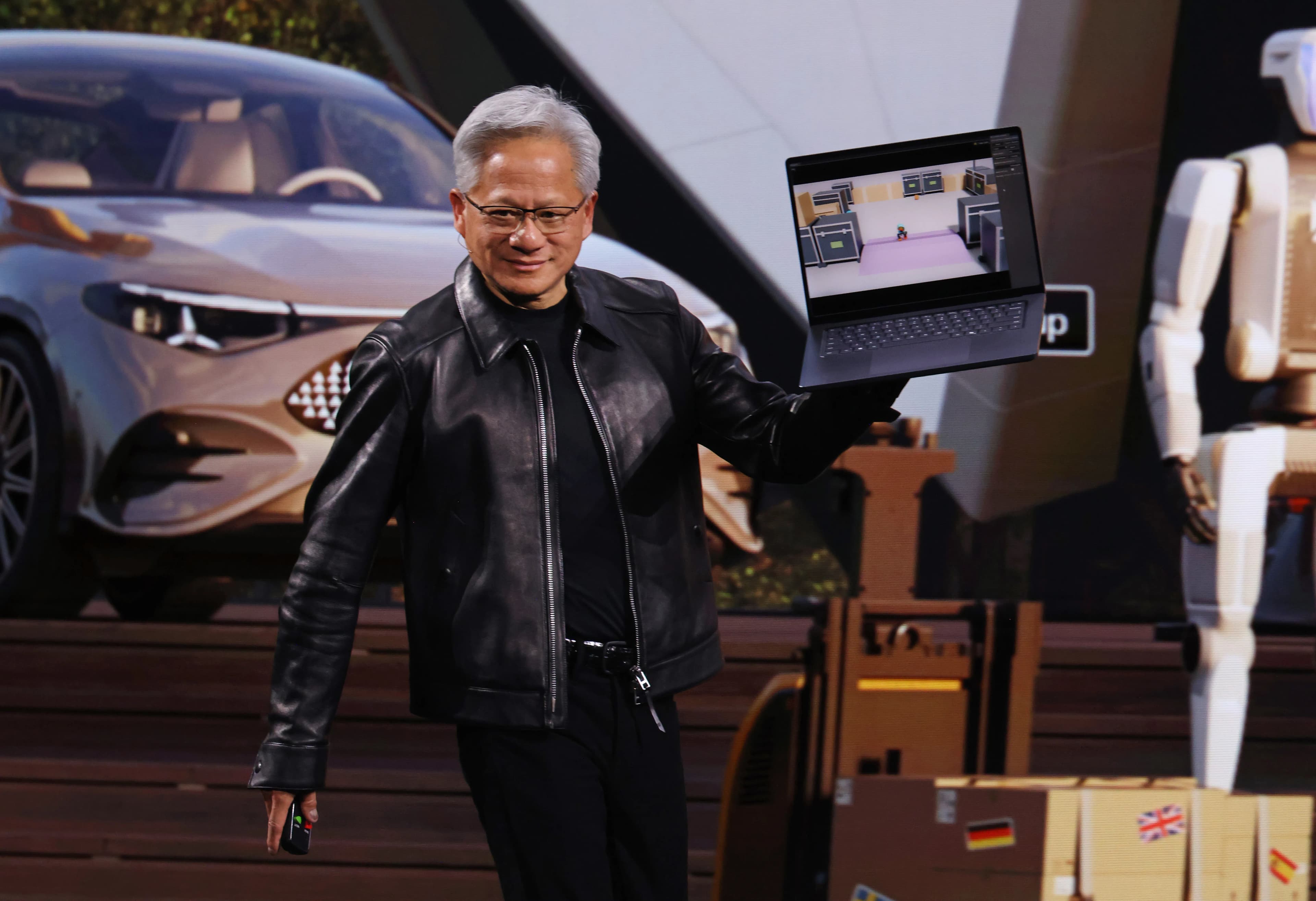
- Nvidia announced the DSX Pod, a modular AI data center, at GTC Berlin on October 21, 2026.
- CEO Jensen Huang emphasized the need for Europe to produce AI technologies rather than just consume them.
- Partnerships with major European manufacturers like Volkswagen and Mercedes-Benz were highlighted to bolster local AI capabilities.
The context you actually need
- Europe currently holds only 5% of global AI computing capacity, compared to 75% in the U.S.
- Infrastructure delays have historically hindered the deployment of data centers across the continent.
- Nvidia's commitment includes over $10 billion in investments aimed at fostering sovereign AI infrastructure in Europe.
What's really happening
Nvidia's unveiling of the DSX Pod at GTC Berlin marks a pivotal moment in Europe's AI landscape. The DSX Pod is designed as a plug-and-play modular data center that can be deployed in as little as 14 days, a stark contrast to the typical six-month timeline for traditional data centers. This innovation is crucial for addressing Europe's significant infrastructure bottlenecks, which have long hampered the continent's ability to compete in the global AI arena.
CEO Jensen Huang's keynote framed AI as a new industrial revolution, urging Europe to shift from being a consumer of AI technologies to a producer. This shift is not merely about technological advancement; it's about economic sovereignty. By enhancing local production capabilities, Europe can reduce its reliance on external sources, particularly from the U.S., which currently dominates the AI computing landscape.
The DSX Pod incorporates Nvidia's Vera Rubin architecture, which is optimized for AI workloads. This architecture is expected to facilitate rapid deployment and scalability, making it easier for European companies to adopt AI technologies across various sectors, including automotive, manufacturing, and telecommunications. The partnerships with industry giants like Volkswagen and Mercedes-Benz signal a collaborative approach to developing autonomous vehicles and other AI-driven applications.
Moreover, the emphasis on hybrid models—combining closed and open systems—suggests a flexible approach to AI deployment, allowing companies to tailor solutions to their specific needs. This flexibility is crucial as demand for compute resources continues to rise, driven by advancements in robotics and AI agents.
The broader implications of this initiative extend beyond just technological upgrades. By investing heavily in AI infrastructure, Nvidia is positioning itself as a key player in Europe's economic future. The company's commitment to fostering partnerships with over 12,000 entities across Europe indicates a strategic move to build a robust ecosystem that supports AI innovation.
As European industries align with Nvidia's accelerated deployment models, the potential for enhanced productivity and efficiency becomes apparent. The DSX Pod's design also emphasizes sustainability, with features like water-efficient cooling systems, which could alleviate some environmental concerns associated with data center operations.
In summary, Nvidia's DSX Pod represents a significant step toward empowering Europe to harness the full potential of AI, fostering local production capabilities, and enhancing the continent's competitiveness in the global market.
Who feels it first (and how)
- Tech companies: Increased access to AI infrastructure will enable faster innovation cycles.
- Manufacturers: Enhanced production capabilities could lead to more efficient operations and product development.
- Automotive sector: Partnerships with companies like Volkswagen and Mercedes-Benz will drive advancements in autonomous vehicle technology.
- Local governments: Potential for economic growth and job creation in tech and manufacturing sectors.
What to watch next
- Deployment timelines: Monitor the rollout of the first DSX Pod systems in early 2027 to gauge market response.
- Partnership expansions: Watch for new collaborations between Nvidia and European firms that could enhance AI capabilities.
- Regulatory developments: Keep an eye on any changes in European policies that may impact AI infrastructure investments.
Nvidia's DSX Pod has been announced and is expected to begin deployment in early 2027.
Increased collaboration between Nvidia and European manufacturers will accelerate AI adoption.
The full impact of these developments on Europe's overall AI competitiveness remains to be seen.
Frequently Asked Questions
- Why it matters?
- Europe's lagging AI infrastructure is set for a significant upgrade, potentially enhancing competitiveness in the global market.
- What happened (in 30 seconds)?
- Nvidia announced the DSX Pod, a modular AI data center, at GTC Berlin on October 21, 2026. CEO Jensen Huang emphasized the need for Europe to produce AI technologies rather than just consume them. Partnerships with major European manufacturers like Volkswagen and Mercedes-Benz were highlighted to bolster local AI capabilities.
- What's really happening?
- Nvidia's unveiling of the DSX Pod at GTC Berlin marks a pivotal moment in Europe's AI landscape. The DSX Pod is designed as a plug-and-play modular data center that can be deployed in as little as 14 days, a stark contrast to the typical six-month timeline for traditional data centers. This innovation is crucial for addressing Europe's significant infrastructure bottlenecks, which have long hampered the continent's ability to compete in the global AI arena. CEO Jensen Huang's keynote framed AI
- Who feels it first (and how)?
- Tech companies: Increased access to AI infrastructure will enable faster innovation cycles. Manufacturers: Enhanced production capabilities could lead to more efficient operations and product development. Automotive sector: Partnerships with companies like Volkswagen and Mercedes-Benz will drive advancements in autonomous vehicle technology. Local governments: Potential for economic growth and job creation in tech and manufacturing sectors.
- What to watch next?
- Deployment timelines: Monitor the rollout of the first DSX Pod systems in early 2027 to gauge market response. Partnership expansions: Watch for new collaborations between Nvidia and European firms that could enhance AI capabilities. Regulatory developments: Keep an eye on any changes in European policies that may impact AI infrastructure investments.
Latest WIRED coverage of AI.
"WIRED covers AI at the intersection of tech, culture, and policy."
— A47 Editor
Jensen Huang’s Vision for Europe Runs on Plug-In Data Centers
At Nvidia’s GTC in Berlin, CEO Jensen Huang introduced the DSX Pod, a new plug-in data center designed to address Europe's lag in AI infrastructure and support advancements in autonomous humanoid robotics. This initiative aims to enhance the region's...
Emerging technologies, digital transformation, IT, and cultural impact of tech.
"WIRED covers the intersection of technology, culture, and politics with a progressive, forward-looking editorial stance."
— A47 Editor
Jensen Huang’s Vision for Europe Runs on Plug-In Data Centers
At Nvidia’s GTC in Berlin, CEO Jensen Huang introduced the DSX Pod, a new plug-in data center designed to address Europe's lag in AI infrastructure and support advancements in autonomous humanoid robotics. This initiative aims to enhance the region's...
Latest AI/ML research news and breakthroughs.
"Aggregated research highlights across institutions."
— A47 Editor
Nvidia CEO encourages Europe's lagging AI sector and offers tools to accelerate data center buildout
Nvidia CEO Jensen Huang has called on stakeholders in Europe's artificial intelligence sector to accelerate their efforts, highlighting the urgent need for AI data centers and introducing a modular system designed to facilitate rapid construction of ...
Technology innovations, startups, and trends.
"ABC News delivers broad national coverage with a mainstream editorial stance, focusing on accessibility and balanced reporting."
— A47 Editor
Nvidia CEO encourages Europe's lagging AI sector and offers tools to accelerate data center buildout
Nvidia CEO Jensen Huang has called on Europe to accelerate its artificial intelligence (AI) sector, highlighting the need for rapid development and the introduction of a modular system to expedite the construction of AI data centers, which Europe cur...
Latest AI/ML research news and breakthroughs.
"Aggregated research highlights across institutions."
— A47 Editor
Nvidia CEO urges German manufacturers to adopt AI, saying digital tech won't replace heavy industry
Nvidia CEO Jensen Huang has called on German manufacturers, particularly in the automotive and industrial sectors, to swiftly embrace artificial intelligence (AI) to revitalize their business models by leveraging existing manufacturing data and exper...