
AI Models Use Facial Recognition to Predict Cancer Survival and Biological Age
What happened
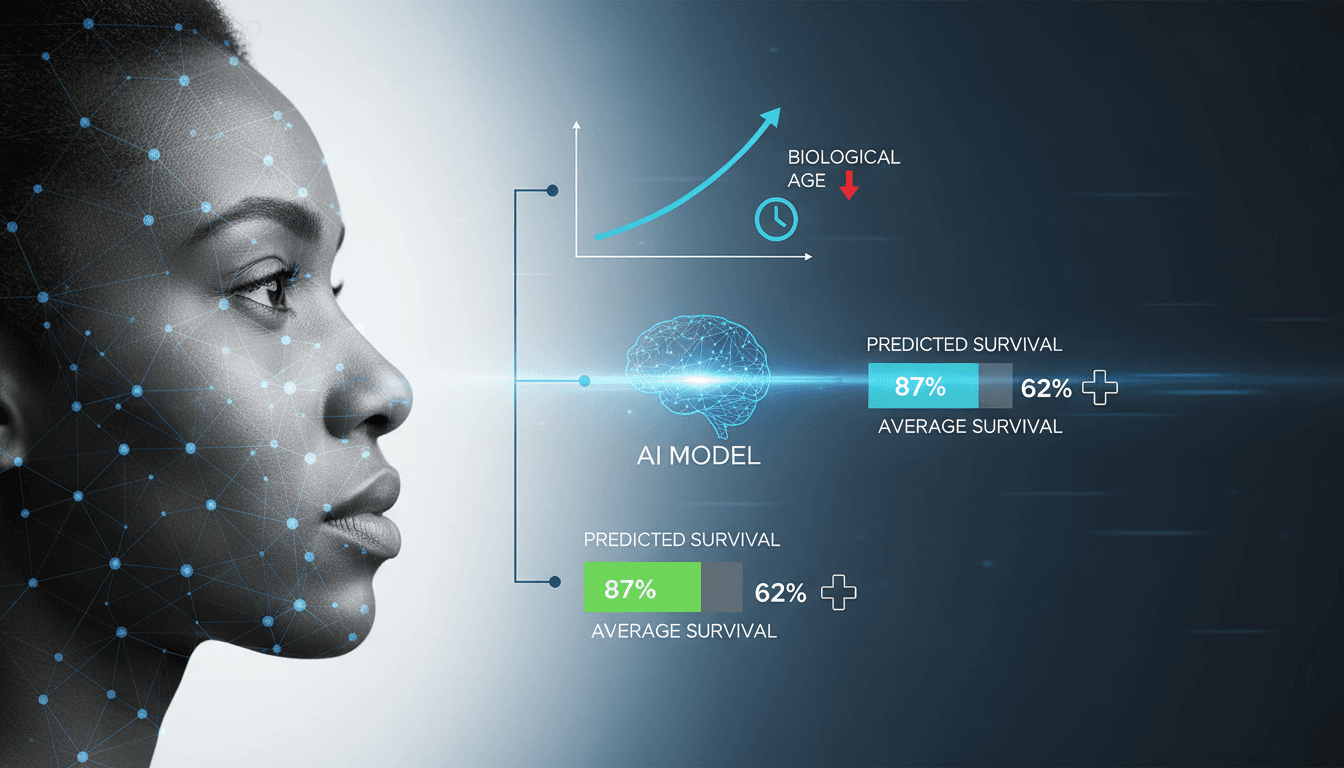
Researchers at Mass General Brigham demonstrated that AI can estimate biological age and predict cancer survival from a single facial photograph.
The Context
- Innovative Approach: The study utilized over 40 million images to train AI models, providing a scalable biomarker for cancer treatment decisions.
- Significant Findings: Cancer patients appeared about five years older than their chronological age, with high-risk classifications linked to a 52.5% mortality rate within 90 days.
- Public Engagement: A public demonstration website attracted 50,000 photo submissions shortly after launch, indicating strong interest in the technology.
The Number
— This stark contrast in mortality rates highlights the potential of AI to identify high-risk patients, which could lead to more targeted and timely interventions.
Takeaway
As AI technology continues to evolve, expect further validation and potential integration into clinical practices, reshaping patient care.
News from the United States including domestic politics, society, and culture.
"Global News is a mainstream Canadian media outlet generally considered to have a centrist editorial stance, covering news with a focus on factual reporting and national interest."
— A47 Editor
Can a photo help predict if you’ll survive cancer? Researchers think so
A team of researchers has developed artificial intelligence models capable of predicting an individual's biological age and their likelihood of surviving cancer treatment based solely on a photograph of their face. This innovative approach could revo...
Canadian and international health news, medicine, public policy, and research.
"Global News is a mainstream Canadian outlet generally considered to have a centrist editorial stance, covering news with a focus on factual reporting and national interest."
— A47 Editor
Can a photo help predict if you’ll survive cancer? Researchers think so
A team of researchers has developed artificial intelligence models capable of predicting an individual's biological age and their likelihood of surviving cancer treatment based solely on a photograph of their face. This innovative approach could revo...
Photography news including AI tools and ethics.
"Covers AI’s impact on imaging and creative workflows."
— A47 Editor
A Single Photo Could Help AI Assess How Sick a Patient Is
Researchers have developed artificial intelligence tools that analyze photographs of a person's face to estimate biological age and predict survival outcomes for cancer patients. This innovative approach leverages visual data to enhance medical asses...
UK and global health news, medicine, and public health research.
"BBC News is widely regarded as a reputable international news organization, known for its impartial tone and public service mandate."
— A47 Editor
Can a simple photo of your face reveal how ill you are?
US researchers have proposed that artificial intelligence (AI) could assist doctors in assessing a patient's health by analyzing a single photograph of their face. This innovative approach aims to provide a quick and efficient method for evaluating i...
News and features on AI from The Guardian.
"Progressive-leaning international outlet with critical AI coverage."
— A47 Editor
New AI tool can predict cancer survival by a single patient selfie, study suggests
Researchers at Mass General Brigham have developed an artificial intelligence tool capable of predicting cancer survival rates from a single photograph of a patient's face. This innovative system estimates biological age and directly assesses surviva...
Reports on science policy, discoveries, and public debate in the scientific realm.
"The Guardian’s science section is known for thoughtful and critical reporting on global research, ethics, and public understanding of science."
— A47 Editor
New AI tool can predict cancer survival by a single patient selfie, study suggests
Researchers at Mass General Brigham have developed an innovative artificial intelligence tool capable of predicting cancer survival rates from a single photograph of a patient's face. This AI system estimates biological age and directly assesses surv...
Tech culture, product news, and critical takes on the tech industry's social impact.
"The Guardian's tech coverage blends mainstream news, critical analysis, and cultural commentary on emerging technologies and digital trends."
— A47 Editor
New AI tool can predict cancer survival by a single patient selfie, study suggests
Researchers at Mass General Brigham have developed an artificial intelligence tool capable of predicting cancer survival rates from a single photograph of a patient's face. This innovative system estimates biological age and directly assesses surviva...
International coverage from The Guardian's global desks.
"The Guardian is known for its progressive editorial stance and in-depth analysis."
— A47 Editor
New AI tool can predict cancer survival by a single patient selfie, study suggests
Researchers at Mass General Brigham have developed an artificial intelligence tool capable of predicting cancer survival rates from a single photograph of a patient's face. This innovative system estimates biological age and directly assesses surviva...
Scientific research, technology, environment, and society.
"Scientific American is one of the oldest and most authoritative science magazines, known for deep dives into science, technology, and society."
— A47 Editor
Can AI predict whether you’ll die from cancer from just an image of your face?
Researchers have developed an artificial intelligence algorithm capable of predicting the risk of cancer patients dying based solely on an image of their face, demonstrating remarkable accuracy for some individuals. This innovative approach could tra...
Science and technology stories including AI.
"Longstanding science magazine with thoughtful AI coverage."
— A47 Editor
Can AI predict whether you’ll die from cancer from just an image of your face?
Researchers have developed an artificial intelligence algorithm capable of predicting the risk of cancer patients dying based solely on an image of their face, demonstrating remarkable accuracy for some individuals. This innovative approach could tra...