
Google Open-Sources TorchTPU for Native PyTorch Execution on TPUs
Why it matters
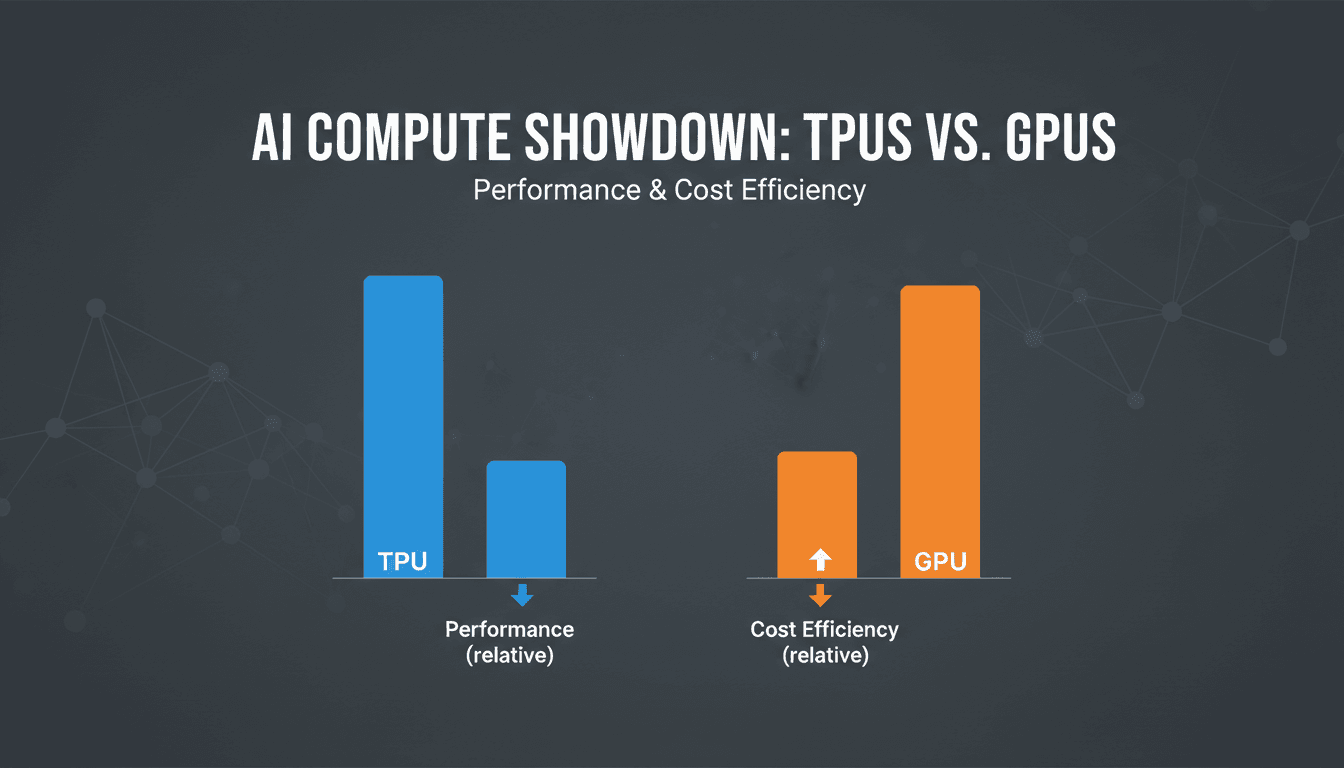
This move disrupts Nvidia's long-standing dominance in AI compute, potentially lowering costs and increasing hardware options for developers.
What happened (in 30 seconds)
- Google announced the open-sourcing of TorchTPU on October 20, 2026, at the PyTorch Conference.
- Developers can now run existing PyTorch workloads on Google's TPUs with minimal code changes.
- This initiative aims to diversify AI compute options, reducing reliance on Nvidia's GPU-optimized frameworks.
The context you actually need
- Nvidia GPUs have dominated the AI landscape since PyTorch's inception in 2016, with over 85% of AI applications built on this framework.
- Rising AI infrastructure costs and geopolitical supply chain issues have prompted cloud providers to seek alternative hardware solutions.
- Previous attempts to integrate PyTorch with TPUs required significant code modifications, limiting adoption.
What's really happening
Google's announcement of TorchTPU marks a significant shift in the AI compute landscape. By providing a native PyTorch backend for its Tensor Processing Units (TPUs), Google is effectively challenging Nvidia's stronghold on the market. Historically, PyTorch has been optimized for Nvidia GPUs, which has led to a lack of competition in the AI accelerator space. With over 85% of AI applications developed using PyTorch, this dependency has made it difficult for alternative hardware to gain traction.
The collaboration with Meta and other key players like Hugging Face and vLLM ensures that TorchTPU is not just a standalone project but a well-integrated solution that supports popular AI models such as Llama and Qwen. The new framework allows developers to leverage TPUs without extensive code rewrites, significantly lowering the barrier to entry for those looking to utilize Google's hardware for AI workloads.
Key features of TorchTPU include eager mode debugging and torch.compile optimization, which enhance the development experience and streamline the transition from GPU to TPU. The ability to scale up to 8,192 Ironwood (TPU v7x) chips means that developers can handle larger models and datasets more efficiently. This scalability is crucial as AI models continue to grow in complexity and size.
Moreover, the timing of this announcement coincides with similar moves by Amazon Web Services, indicating a broader trend among cloud providers to diversify their hardware offerings. As AI infrastructure costs continue to rise, the introduction of competitive alternatives like TorchTPU could lead to more cost-effective solutions for businesses and developers alike.
In essence, Google is positioning TPUs as a first-class option for PyTorch users, leveling the playing field against Nvidia. This strategic move not only enhances Google's cloud offerings but also encourages innovation and competition in the AI accelerator market, ultimately benefiting developers and businesses looking for more flexible and affordable AI solutions.
Who feels it first (and how)
- AI Developers: They will benefit from reduced migration friction and easier access to TPU resources.
- Cloud Service Providers: Increased competition may lead to better pricing and service offerings.
- Businesses in AI: Companies looking to optimize costs and performance in AI training and deployment will find new opportunities.
What to watch next
- Developer Adoption Rates: Monitor how quickly developers transition to using TorchTPU for their projects, as this will indicate its success.
- Market Response from Nvidia: Watch for Nvidia's strategic moves in response to this challenge, which could include new offerings or pricing adjustments.
- Integration with Other Frameworks: Keep an eye on how TorchTPU integrates with other AI frameworks and tools, as this will affect its overall utility.
Google has successfully open-sourced TorchTPU, enabling native PyTorch execution on TPUs.
Increased competition in the AI accelerator market will lead to more diverse hardware options for developers.
The long-term impact on Nvidia's market share and pricing strategies remains to be seen.
Frequently Asked Questions
- Why it matters?
- This move disrupts Nvidia's long-standing dominance in AI compute, potentially lowering costs and increasing hardware options for developers.
- What happened (in 30 seconds)?
- Google announced the open-sourcing of TorchTPU on October 20, 2026, at the PyTorch Conference. Developers can now run existing PyTorch workloads on Google's TPUs with minimal code changes. This initiative aims to diversify AI compute options, reducing reliance on Nvidia's GPU-optimized frameworks.
- What's really happening?
- Google's announcement of TorchTPU marks a significant shift in the AI compute landscape. By providing a native PyTorch backend for its Tensor Processing Units (TPUs), Google is effectively challenging Nvidia's stronghold on the market. Historically, PyTorch has been optimized for Nvidia GPUs, which has led to a lack of competition in the AI accelerator space. With over 85% of AI applications developed using PyTorch, this dependency has made it difficult for alternative hardware to gain traction.
- Who feels it first (and how)?
- AI Developers: They will benefit from reduced migration friction and easier access to TPU resources. Cloud Service Providers: Increased competition may lead to better pricing and service offerings. Businesses in AI: Companies looking to optimize costs and performance in AI training and deployment will find new opportunities.
- What to watch next?
- Developer Adoption Rates: Monitor how quickly developers transition to using TorchTPU for their projects, as this will indicate its success. Market Response from Nvidia: Watch for Nvidia's strategic moves in response to this challenge, which could include new offerings or pricing adjustments. Integration with Other Frameworks: Keep an eye on how TorchTPU integrates with other AI frameworks and tools, as this will affect its overall utility.
AI news with an enterprise and cloud focus.
"Covers AI in the context of data infrastructure, cloud, and enterprise stacks."
— A47 Editor
Google unveils TorchTPU in a push to break Nvidia’s stranglehold on AI compute
Google LLC has launched TorchTPU, a specialized version of the open-source PyTorch framework, aimed at challenging Nvidia Corp.'s dominance in the artificial intelligence computing sector. This initiative seeks to eliminate a significant competitive ...
Startup news with frequent AI coverage.
"Covers launches, funding, and product updates in AI."
— A47 Editor
Google has joined Amazon in attacking Nvidia’s stronghold with AI app developers
Google has joined Amazon in launching a developer tool aimed at facilitating the migration of PyTorch applications from Nvidia GPUs, marking a significant move in the competitive AI landscape.
Startup news with frequent AI coverage.
"Covers launches, funding, and product updates in AI."
— A47 Editor
Amazon is taking its biggest shot at Nvidia yet with new TorchNeuron dev tool
Amazon has introduced the TorchNeuron development tool, aiming to challenge Nvidia's dominance in the AI application space, particularly within the PyTorch framework. This move is part of Amazon's strategy to encourage developers to utilize alternati...