
OpenAI Completes Acquisition of Orchestra Bio to Enhance AI in Drug Development
Why it matters
This acquisition signals a significant shift towards AI-driven efficiencies in the notoriously slow drug development process.
What happened (in 30 seconds)
- OpenAI acquired Orchestra Bio on October 20, 2026, integrating its AI platform into the Rosalind suite.
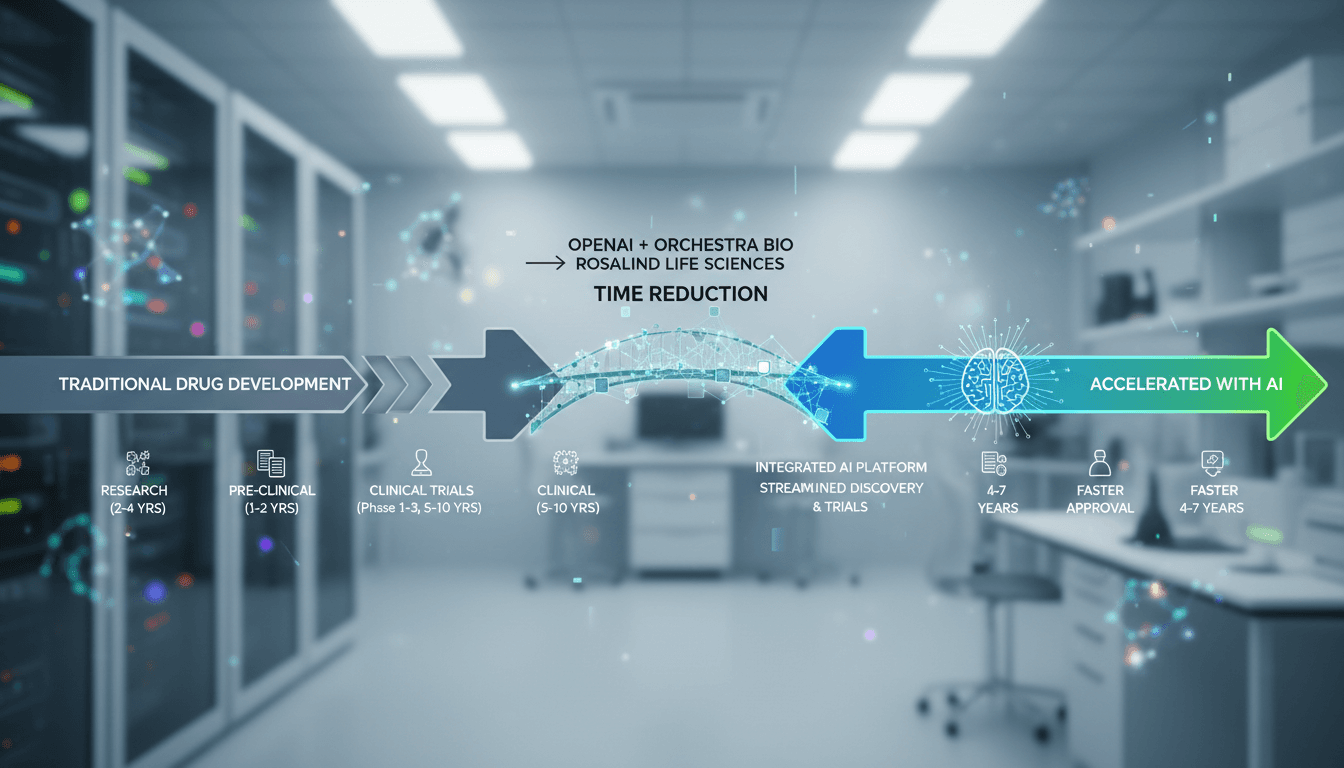
- The goal is to streamline drug development, reducing the average timeline of 10 to 15 years by enhancing coordination and workflow management.
- Orchestra Bio's technology will enable AI agents to monitor studies and flag potential issues, facilitating quicker decision-making.
The context you actually need
- Drug development is traditionally slow, often taking 10 to 15 years due to fragmented processes and manual coordination.
- OpenAI has been expanding its life sciences capabilities, previously launching GPT-Rosalind and forming partnerships with major pharmaceutical companies.
- Orchestra Bio, founded in 2022, raised $20 million to develop its operational coordination platform, indicating strong investor confidence in AI's role in biopharma.
What's really happening
The acquisition of Orchestra Bio by OpenAI represents a strategic move to address long-standing inefficiencies in the drug development process. Historically, the journey from scientific discovery to regulatory approval has been plagued by delays, often taking a decade or more. This is primarily due to siloed systems within organizations and the manual coordination required across various teams and external partners.
By integrating Orchestra Bio's AI-driven platform into its Rosalind suite, OpenAI aims to revolutionize this landscape. The technology will deploy AI agents capable of managing complex workflows, monitoring study timelines, and flagging potential issues such as manufacturing failures. This proactive approach allows human decision-makers to respond swiftly, potentially mitigating delays that could derail drug development.
The implications of this acquisition extend beyond mere efficiency gains. By reducing the time it takes to bring new medicines to market, OpenAI could significantly impact healthcare accessibility and affordability. Faster drug development means that innovative treatments can reach patients sooner, addressing urgent medical needs and potentially saving lives.
Moreover, this move aligns with broader industry trends where AI is increasingly being integrated into biopharma operations. Companies are recognizing the value of AI in enhancing productivity and decision-making capabilities. OpenAI's acquisition not only strengthens its position in the life sciences sector but also sets a precedent for other tech companies to explore similar integrations.
As the biopharma industry continues to evolve, the successful implementation of AI agents in drug development could lead to a paradigm shift. This could foster a more collaborative environment among researchers, developers, and regulatory bodies, ultimately transforming how new therapies are developed and delivered.
Who feels it first (and how)
- Biopharma companies: They will experience improved coordination and reduced timelines in drug development.
- Researchers and scientists: Enhanced tools for managing workflows will streamline their processes.
- Patients: Quicker access to new treatments as drug development accelerates.
- Investors: Potential for higher returns as successful drugs reach the market faster.
What to watch next
- Adoption rates of AI agents: Monitoring how quickly biopharma companies implement these technologies will indicate the industry's readiness for change.
- Regulatory responses: Watch for how regulatory bodies adapt to AI-driven processes in drug development, which could shape future compliance requirements.
- Partnership expansions: Look for OpenAI to forge new partnerships with additional pharmaceutical companies, which could further enhance its Rosalind platform.
OpenAI has successfully acquired Orchestra Bio and integrated its technology into the Rosalind suite.
The integration will lead to faster drug development timelines and improved operational efficiencies in biopharma.
The long-term impact on regulatory processes and how quickly the industry will adapt to these new AI-driven workflows.
Frequently Asked Questions
- Why it matters?
- This acquisition signals a significant shift towards AI-driven efficiencies in the notoriously slow drug development process.
- What happened (in 30 seconds)?
- OpenAI acquired Orchestra Bio on October 20, 2026, integrating its AI platform into the Rosalind suite. The goal is to streamline drug development, reducing the average timeline of 10 to 15 years by enhancing coordination and workflow management. Orchestra Bio's technology will enable AI agents to monitor studies and flag potential issues, facilitating quicker decision-making.
- What's really happening?
- The acquisition of Orchestra Bio by OpenAI represents a strategic move to address long-standing inefficiencies in the drug development process. Historically, the journey from scientific discovery to regulatory approval has been plagued by delays, often taking a decade or more. This is primarily due to siloed systems within organizations and the manual coordination required across various teams and external partners. By integrating Orchestra Bio's AI-driven platform into its Rosalind suite, Ope
- Who feels it first (and how)?
- Biopharma companies: They will experience improved coordination and reduced timelines in drug development. Researchers and scientists: Enhanced tools for managing workflows will streamline their processes. Patients: Quicker access to new treatments as drug development accelerates. Investors: Potential for higher returns as successful drugs reach the market faster.
- What to watch next?
- Adoption rates of AI agents: Monitoring how quickly biopharma companies implement these technologies will indicate the industry's readiness for change. Regulatory responses: Watch for how regulatory bodies adapt to AI-driven processes in drug development, which could shape future compliance requirements. Partnership expansions: Look for OpenAI to forge new partnerships with additional pharmaceutical companies, which could further enhance its Rosalind platform.
Daily AI news: models, tools, and policy.
"Independent outlet tracking the fast pace of AI."
— A47 Editor
OpenAI acquires Orchestra Bio to build AI agents that speed up drug development
OpenAI has acquired Orchestra Bio, a startup focused on drug development software, with plans to integrate it into its life sciences AI platform, Rosalind. This acquisition aims to enhance the efficiency of pharmaceutical teams in coordinating drug d...
AI news with an enterprise and cloud focus.
"Covers AI in the context of data infrastructure, cloud, and enterprise stacks."
— A47 Editor
OpenAI acquires Orchestra Bio to bring AI agents into drug development
OpenAI Group PBC has announced its acquisition of Orchestra Bio Inc., a startup specializing in drug development software that utilizes artificial intelligence agents to assist pharmaceutical teams in managing their development programs. This integra...
Startup news with frequent AI coverage.
"Covers launches, funding, and product updates in AI."
— A47 Editor
OpenAI acquires startup Orchestra Bio to beef up its biotech business
OpenAI has acquired Orchestra Bio, a startup focused on drug development software that employs artificial intelligence agents to aid pharmaceutical teams. This acquisition aims to enhance OpenAI's Rosalind AI model for life sciences research and its ...