
NASA Swift Observatory Reenters Earth's Atmosphere After 22-Year Gamma-Ray Burst Mission
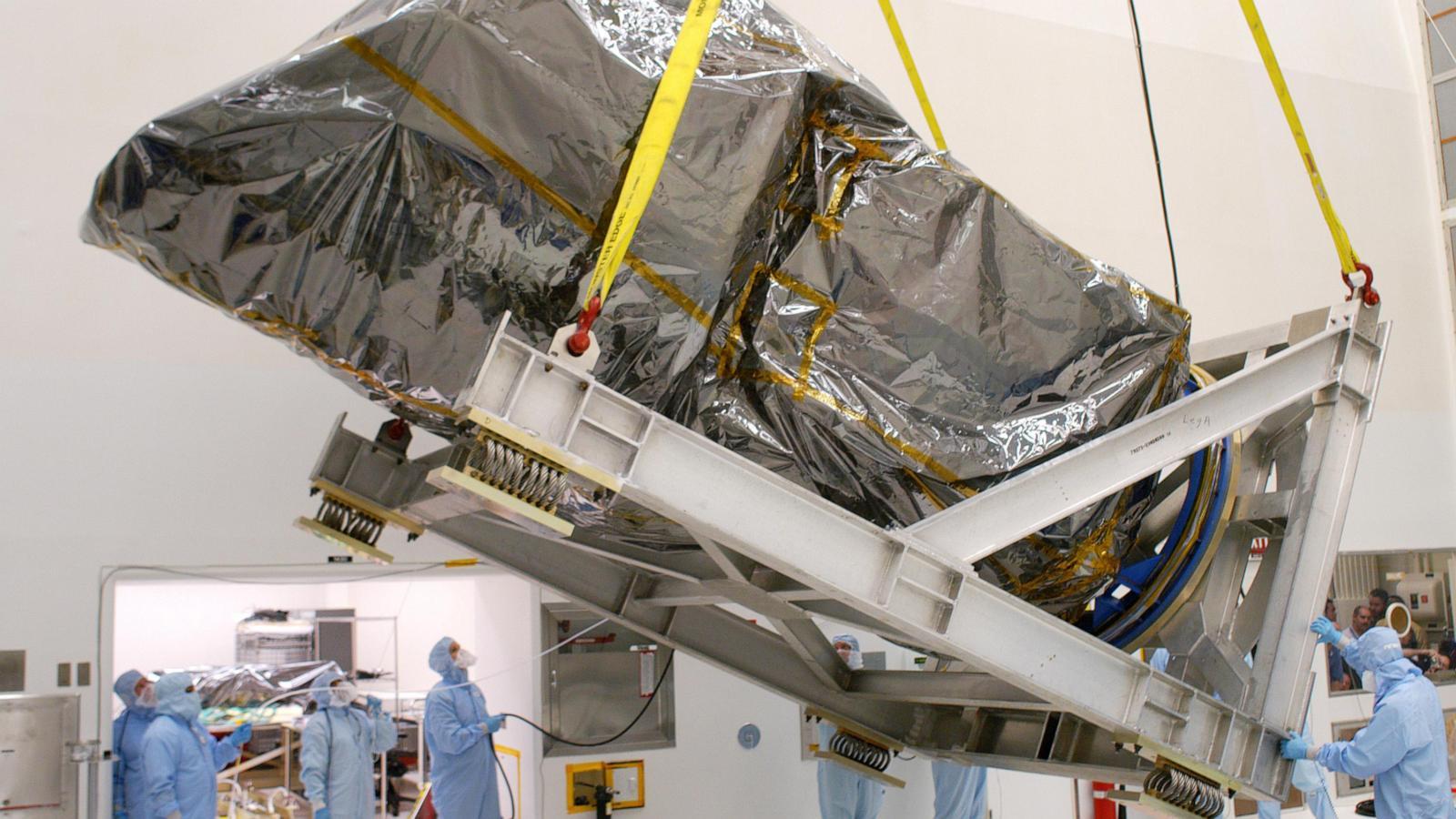
What happened
NASA's 1.5-ton Neil Gehrels Swift Observatory concluded its 22-year mission with an uncontrolled atmospheric reentry near Indonesia on November 4, 2026, driven by solar-induced orbital decay.
The Context
* Extended operations reached an operational ceiling: Launched in November 2004 for a planned two-year run, Swift operated for 22 years—exceeding its baseline design life by a factor of 11. * Solar conditions accelerated degradation: Elevated solar storm activity expanded Earth's upper atmosphere, generating additional drag that steadily pulled the spacecraft out of orbit. * Private servicing faced deployment hurdles: A July 2026 orbital rescue attempt by commercial provider Katalyst Space ended when the servicing vehicle reentered atmosphere in September 2026.
The Number
The operational record of gamma-ray bursts tracked by Swift—demonstrating how extended-life orbital instruments compound scientific and data yields when kept active beyond baseline projections.
Takeaway
NASA is already turning to private industry consultations for orbit-boosting solutions, making commercially viable satellite servicing the benchmark for keeping high-value orbital infrastructure alive.
Breaking news, politics, business, and entertainment from the U.S. and around the world.
"The New York Post is a tabloid-format newspaper known for its sensationalist headlines and conservative-leaning editorial tone."
— A47 Editor
NASA space telescope plunges to Earth after two decades studying cosmic explosions
A NASA space telescope plunged to Earth on Wednesday, ending a 22-year mission studying the universe's most powerful explosions, according to a New York Post report based on the base article.
Scientific discoveries, health, technology, and natural phenomena.
"Live Science reports on scientific discoveries, health, technology, and natural phenomena with a popular science tone."
— A47 Editor
Swift has fallen: NASA's 22-year-old space telescope burns up over Sumatra
NASA's Neil Gehrels Swift Observatory, a roughly 1.5-ton space telescope launched in 2004 to study cosmic explosions such as gamma-ray bursts, has re-entered Earth's atmosphere and burned up over Sumatra after the agency ended its mission following a...
News in science and technology, with a focus on consumer and innovation stories.
"Popular Science simplifies complex scientific topics for general audiences and celebrates innovation."
— A47 Editor
NASA telescope plummets back to Earth
NASA's decommissioned Swift Observatory, a roughly 1.5-ton space telescope launched in 2004 to study cosmic explosions such as gamma-ray bursts, has re-entered Earth's atmosphere after the agency ended its mission following a failed private rescue at...
Technology innovations, startups, and trends.
"ABC News delivers broad national coverage with a mainstream editorial stance, focusing on accessibility and balanced reporting."
— A47 Editor
NASA space telescope plunges to Earth after two decades studying cosmic explosions
NASA's Swift Observatory, a truck-sized space telescope that has been operational for 22 years, has plunged back to Earth after unsuccessful attempts to raise its orbit. The re-entry was anticipated around 3:30 a.m. ET, marking the end of its mission...
Space science news, astronomy updates, and spaceflight developments.
"Space.com delivers space science news, astronomy updates, and spaceflight developments with engaging coverage."
— A47 Editor
NASA's Swift space telescope crashes back to Earth after failed rescue attempt
NASA's Swift space telescope, a roughly 1.5-ton observatory launched in 2004 to study cosmic explosions such as gamma-ray bursts, crashed back to Earth on November 4 after a three-month effort by a private spacecraft to boost it to a higher orbit fai...
International news coverage curated for readers in the UAE and Gulf region.
"Emirates 24|7 world coverage presents global developments through a UAE-facing and Gulf-relevant editorial lens."
— A47 Editor
NASA space telescope plunges to Earth after two decades studying cosmic explosions
NASA's Swift Observatory, a roughly 1 ½-ton space telescope launched in 2004 to study gamma ray bursts and exploding stars, plunged back to Earth near Indonesia, ending a 22-year mission, after a NASA-contracted rescue attempt by Katalyst Space faile...
Scientific research, technology, environment, and society.
"Scientific American is one of the oldest and most authoritative science magazines, known for deep dives into science, technology, and society."
— A47 Editor
NASA’s Swift telescope plunges back to Earth
NASA's Swift observatory, a truck-sized gamma-ray burst telescope launched in 2004, is set to make an uncontrolled re-entry into Earth's atmosphere after an unsuccessful rescue mission earlier this year. The spacecraft spent decades studying powerful...
Science and technology stories including AI.
"Longstanding science magazine with thoughtful AI coverage."
— A47 Editor
NASA’s Swift telescope plunges back to Earth
NASA's Swift observatory, a truck-sized gamma-ray burst telescope launched in 2004, is set to make an uncontrolled re-entry into Earth's atmosphere after an unsuccessful rescue mission earlier this year. The spacecraft spent decades studying powerful...