
Nvidia AI Chips Reached PLA-Linked Chinese Lab via Alibaba-Backed Supply Chain Despite U.S. Export Controls
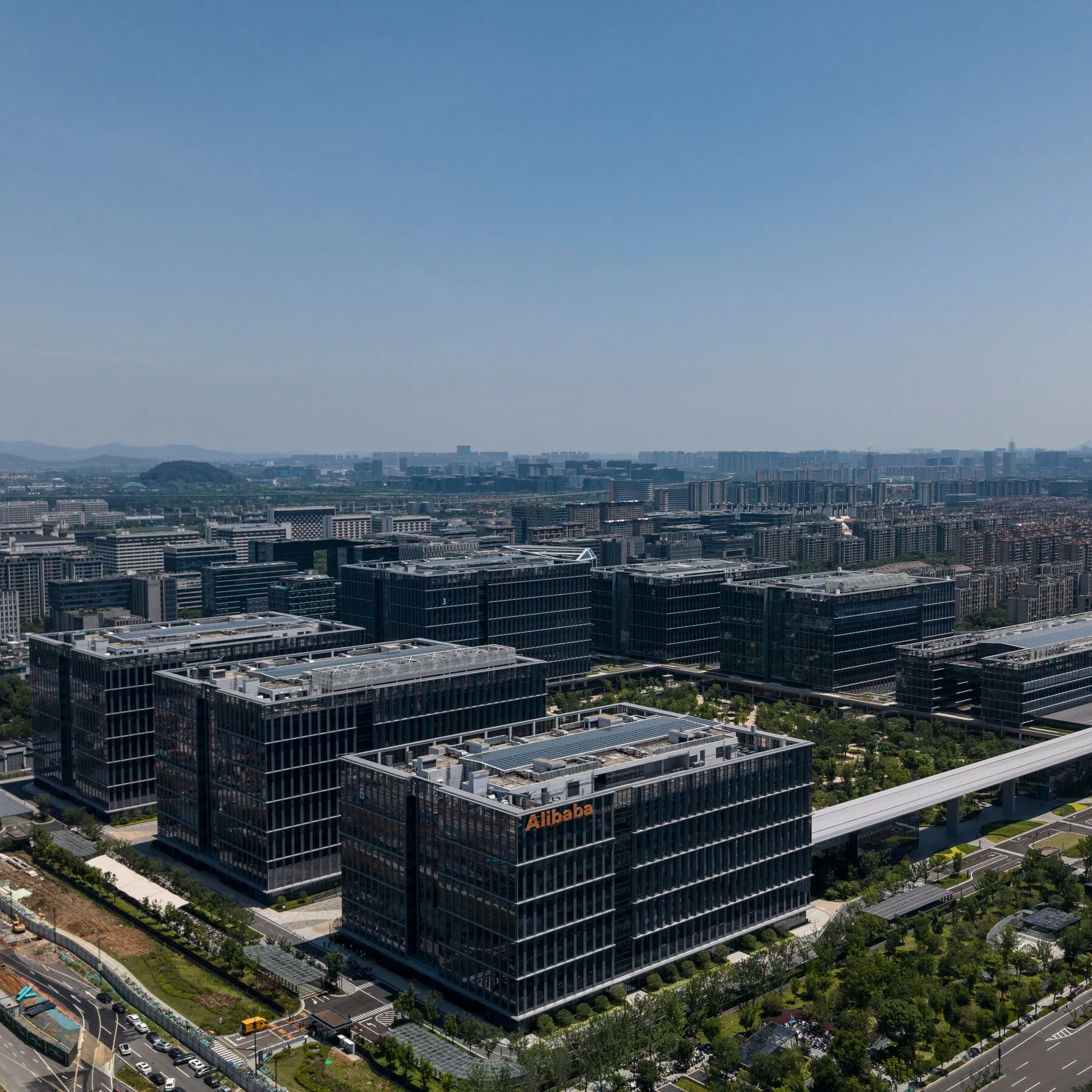
Heightened scrutiny over third-party semiconductor distribution will force global technology operators to audit their computing procurement corridors and prepare for tighter cross-border compliance enforcement.
Why it matters
The diversion of high-end silicon through neutral commercial hubs reveals the structural limits of unilateral trade controls and signals an imminent expansion of regulatory oversight across international cloud infrastructure.
What happened (in 30 seconds)
- A multi-billion dollar procurement hub operated out of Singapore: Intermediary firm Megaspeed acquired over $4 billion in advanced Nvidia artificial intelligence processors across multiple years, using commercial channels that bypassed direct delivery restrictions to mainland entities.
- Corporate resources powered state-linked research: Major technology conglomerate Alibaba served as the primary customer and financier for Megaspeed’s processing clusters, directing capacity toward Zhejiang Lab, a facility conducting automated cyberattack research and war game simulations.
- Regulatory authorities initiated formal inquiries: Congressional committees and enforcement bodies launched investigative reviews into vendor oversight after reports revealed co-published academic research between semiconductor staff and military-affiliated laboratory personnel.
The context you actually need
- Export restrictions expanded systematically since 2022: Trade rules imposed progressively lower processing thresholds on semiconductor shipments to limit advanced computing integration into defense command architectures and offensive digital systems.
- Third-party intermediaries bridge geographic gaps: Commercial entities established in regional business centers purchase processing hardware at standard market rates, establishing legitimate cloud infrastructure that is subsequently rented to cross-border enterprise clients.
- Corporate co-founding arrangements blur operational boundaries: Dual-use research institutions frequently emerge from joint initiatives between domestic commercial conglomerates and public research bodies, mixing commercial computing credits with strategic defense development.
What's really happening
The underlying mechanics of high-performance computing distribution rely on an incentive framework where hardware ownership and hardware consumption are decoupled. Advanced graphics processing units are tangible, capital-intensive physical assets, but their output—computational throughput—moves frictionlessly across networks. When physical hardware cannot cross a specific border due to regulatory boundaries, market participants do not need to move the silicon. They move the workloads.
By establishing an intermediary corporate structure in an open jurisdiction like Singapore, procurement vehicles access tier-one allocation queues. Megaspeed’s acquisition of $4 billion in processors demonstrates that capital volume readily overcomes logistical friction. The commercial viability of such an operation depends on securing a reliable anchor tenant with substantial balance sheet capabilities. Alibaba’s integration as the primary financier and operational consumer of this compute infrastructure provided the necessary liquidity to justify continuous, high-volume hardware intake.
Once high-performance computing clusters become operational, auditing consumption downstream becomes exceptionally complex. Zhejiang Lab, an entity co-founded by commercial enterprise partners, conducts research across dual-use categories, including automated network operations and combat simulations. Compute cycles procured through intermediary platforms are fungible: a processor cluster running standard commercial foundation models in the morning can execute network intrusion modeling in the evening. Because compute cycles leave no physical paper trail across customs checkpoints, traditional trade controls designed for physical industrial components face functional limitations.
Furthermore, corporate alignment and personal networks accelerate these capital flows. The presence of overlapping business relationships—such as pitches referencing executive proximity and subsequent co-authored research papers—illustrates that supply chains follow informal trust networks just as much as formal vendor agreements. Semiconductor manufacturers operate under quarterly delivery imperatives to distribute output globally. When an overseas entity presents capital verification, clean end-user declarations, and regulatory documentation conforming to local jurisdiction standards, vendors face clear economic incentives to fulfill allocation quotas.
The structural implication for global enterprise operators is straightforward: export controls are shifting from physical border surveillance to financial, jurisdictional, and digital workload surveillance. The presence of Western hardware in high-tier tactical research centers indicates that passive compliance mechanisms are failing to isolate dual-use laboratories. The regulatory counter-response will inevitably shift burden-of-proof obligations onto the hardware vendors and their regional distribution partners.
Who feels it first (and how)
- Semiconductor supply chain compliance directors: Must implement continuous monitoring on downstream cluster leasing and end-user verification protocols beyond tier-one buyers.
- International enterprise cloud customers: Face extended operational delays and enhanced disclosure mandates when leasing high-performance computing capacity in regional distribution hubs.
- Sovereign technology investment vehicles: Encounter elevated regulatory friction when attempting to co-invest in cross-border computing data centers and artificial intelligence infrastructure.
What to watch next
- Congressional inquiry outcomes: Committee briefings with semiconductor executives will clarify whether regulatory bodies intend to hold original equipment manufacturers legally liable for downstream processing access.
- Expanded intermediary licensing mandates: Regulatory updates targeting third-party cloud aggregators in Southeast Asia will indicate how aggressively trade authorities plan to police remote workload hosting.
- Public-private research audit standards: Revisions to academic co-authorship guidelines between corporate engineers and foreign state laboratories will signal where corporate research boundaries are being permanently redrawn.
Megaspeed secured over $4 billion in Nvidia processing hardware through Singapore, with Alibaba operating as the primary financier and computing customer supporting research at Zhejiang Lab.
Regulatory agencies will expand know-your-customer enforcement frameworks to cover cross-border computing rental services and cloud compute access.
Whether semiconductor manufacturers will face formal administrative penalties or structural sales prohibitions to third-party data center operators outside the primary regulatory jurisdiction.
Frequently Asked Questions
- Why it matters?
- The diversion of high-end silicon through neutral commercial hubs reveals the structural limits of unilateral trade controls and signals an imminent expansion of regulatory oversight across international cloud infrastructure.
- What happened (in 30 seconds)?
- A multi-billion dollar procurement hub operated out of Singapore: Intermediary firm Megaspeed acquired over $4 billion in advanced Nvidia artificial intelligence processors across multiple years, using commercial channels that bypassed direct delivery restrictions to mainland entities. Corporate resources powered state-linked research: Major technology conglomerate Alibaba served as the primary customer and financier for Megaspeed’s processing clusters, directing capacity toward Zhejiang Lab, a
- What's really happening?
- The underlying mechanics of high-performance computing distribution rely on an incentive framework where hardware ownership and hardware consumption are decoupled. Advanced graphics processing units are tangible, capital-intensive physical assets, but their output—computational throughput—moves frictionlessly across networks. When physical hardware cannot cross a specific border due to regulatory boundaries, market participants do not need to move the silicon. They move the workloads. By establ
- Who feels it first (and how)?
- Semiconductor supply chain compliance directors: Must implement continuous monitoring on downstream cluster leasing and end-user verification protocols beyond tier-one buyers. International enterprise cloud customers: Face extended operational delays and enhanced disclosure mandates when leasing high-performance computing capacity in regional distribution hubs. Sovereign technology investment vehicles: Encounter elevated regulatory friction when attempting to co-invest in cross-border computing
- What to watch next?
- Congressional inquiry outcomes: Committee briefings with semiconductor executives will clarify whether regulatory bodies intend to hold original equipment manufacturers legally liable for downstream processing access. Expanded intermediary licensing mandates: Regulatory updates targeting third-party cloud aggregators in Southeast Asia will indicate how aggressively trade authorities plan to police remote workload hosting. Public-private research audit standards: Revisions to academic co-authorsh
Tech industry coverage with AI angles.
"Mainstream tech news intersecting with AI policy and culture."
— A47 Editor
How Nvidia Chips Ended Up Within Reach of China’s Military
The New York Times reports that Alibaba, the Chinese internet giant at the center of the Nvidia spy saga, used its A.I. computing technology to aid a laboratory with links to China's military, raising questions about how Nvidia chips came within reac...
Tech policy, trends, and innovation news.
"The New York Times is a globally recognized newspaper offering authoritative reporting with a center-left editorial stance."
— A47 Editor
How Nvidia Chips Ended Up Within Reach of China’s Military
The New York Times reports that Alibaba, the Chinese internet giant at the center of the Nvidia spy saga, used its A.I. computing technology to aid a laboratory with links to China's military, raising questions about how Nvidia chips came within reac...
Markets, economy, and company analysis from NYT’s business desk.
"The New York Times is a globally recognized newspaper offering authoritative reporting with a center-left editorial stance."
— A47 Editor
How Nvidia Chips Ended Up Within Reach of China’s Military
The New York Times reports that Alibaba, the Chinese internet giant at the center of the Nvidia spy saga, used its A.I. computing technology to aid a laboratory with links to China's military, raising questions about how Nvidia chips came within reac...
Technology business news, market impacts, and innovation trends.
"Bloomberg is a premier financial and tech news provider, respected for its in-depth reporting and analytical rigor."
— A47 Editor
Alibaba’s AI Ambitions Face Steep Challenge in US Chip Controls
Alibaba Group Holding Ltd. faces mounting pressure to show it can deliver on its artificial intelligence business plan despite new US limits on its access to data center chips, according to Bloomberg Technology.
Technology business and AI-related headlines.
"Data-driven tech newsroom with global scope."
— A47 Editor
Alibaba’s AI Ambitions Face Steep Challenge in US Chip Controls
Alibaba Group Holding Ltd. faces mounting pressure to show it can deliver on its artificial intelligence business plan despite new US limits on its access to data center chips, according to Bloomberg Technology.
Research, news, and analysis on blockchain startups, DeFi, and regulations.
"Crypto Briefing provides research, news, and analysis on blockchain startups, DeFi, and crypto regulations with investor-focused coverage."
— A47 Editor
China’s military keeps shopping for Nvidia’s most advanced AI chips
China's military has continued seeking Nvidia's most advanced AI chips, according to the base report by Crypto Briefing, highlighting persistent difficulties in enforcing U.S. export controls on high-end semiconductors destined for China.
Curated tech headlines including AI stories.
"Influential aggregator surfacing the day’s top tech/AI links."
— A47 Editor
Sources: Nvidia made two separate introductions in 2022 connecting Alibaba with alleged Chinese spy Alice Huang, actively helping Megaspeed land Alibaba (The Information)
The Information reported, citing sources, that Nvidia's sales team made two separate introductions in 2022 connecting Alibaba with Alice Huang, an alleged Chinese spy involved in smuggling Nvidia chips into China, and actively helped Singapore-based ...
International coverage of politics, culture, and current affairs.
"BBC News is widely regarded as a reputable international news organization, known for its impartial tone and public service mandate."
— A47 Editor
As Trump and Xi meet, China's AI dreams face an unexpected hurdle: the Nvidia spy scandal
China is worried that the Nvidia spy scandal, which has drawn scrutiny to the chipmaker's former CEO Jensen Huang and to a suspected Chinese spy linked to him, could push Washington toward further limits on the sale of advanced AI chips to China, jus...
Corporate news, economic trends, and markets with UK and global scope.
"BBC News is widely regarded as reputable and impartial, with a public service mandate."
— A47 Editor
As Trump and Xi meet, China's AI dreams face an unexpected hurdle: the Nvidia spy scandal
As US President Donald Trump and Chinese President Xi Jinping prepare to meet, China's ambitions in artificial intelligence face an unexpected obstacle in a spy scandal involving Nvidia, the leading maker of advanced AI chips. Chinese officials repor...
Global markets, investing, and macroeconomics from a premier financial newsroom.
"Bloomberg is respected for in-depth financial reporting and data-driven analysis."
— A47 Editor
Chip Stocks Slide as US Sets New Curbs on China’s Compute Access
Chipmaker stocks tumbled after the United States moved to further restrict China's access to advanced artificial intelligence chips and servers, in the wake of a scandal involving Nvidia Corp. The base report, published by Bloomberg, frames the sell-...
Business, investment, entrepreneurship, leadership, and innovation.
"Forbes is known for its coverage of business leaders, market trends, and entrepreneurial ventures with a pro-business editorial stance."
— A47 Editor
Scandal-Hit Nvidia Among Trump's Planned AI ‘National Champions,’ Report Says
Forbes reports that Nvidia is among companies Donald Trump's administration plans to designate as AI 'national champions,' just days after Nvidia co-founder and CEO Jensen Huang resigned amid scrutiny over alleged affairs and questions about China's ...