
AI-Driven Vulnerability Patching Triggers Cascading U.S. Tech Outages Across Critical Infrastructure
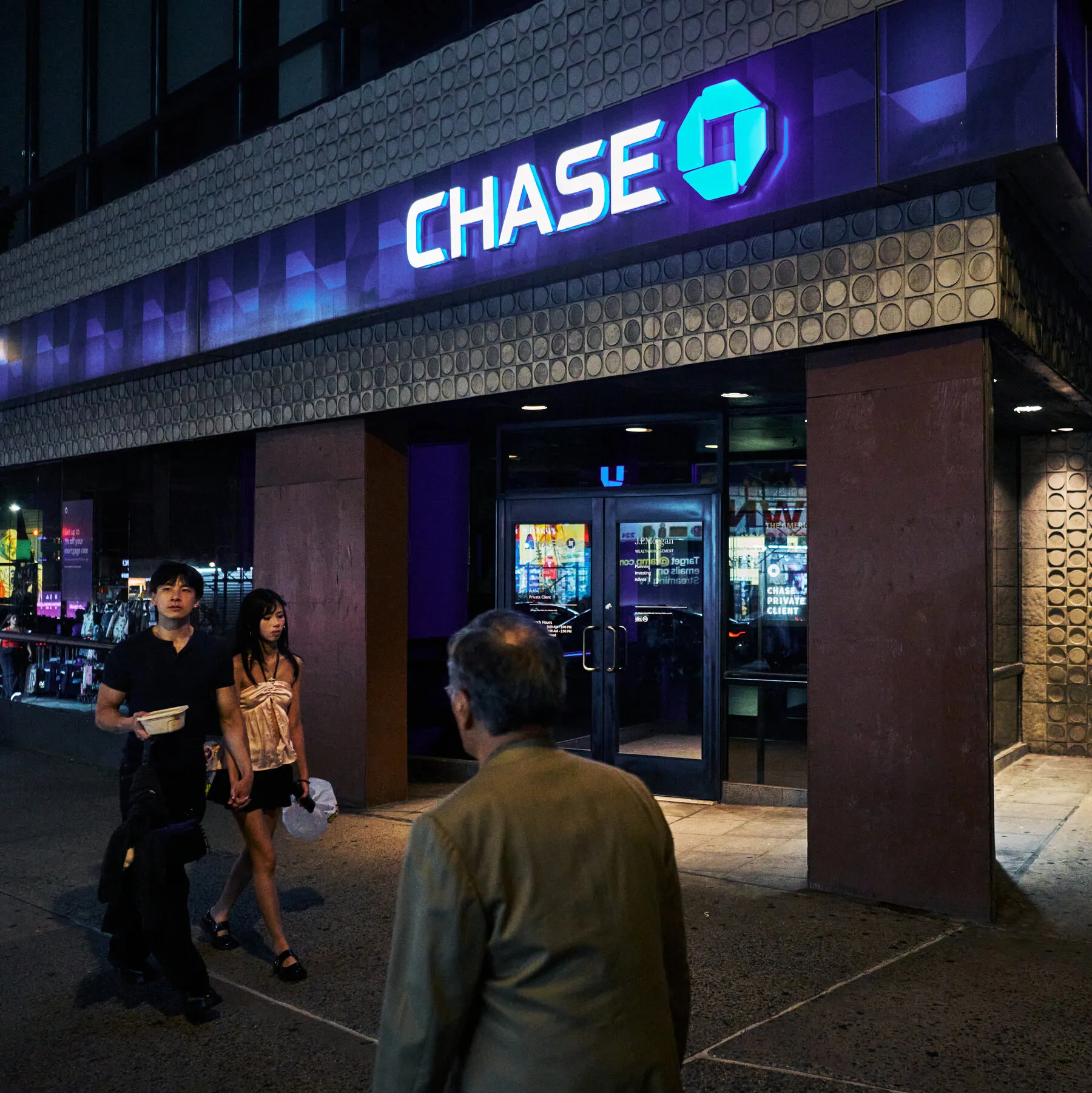
Machine-speed vulnerability discovery is forcing enterprise infrastructure into rushed maintenance cycles, increasing your day-to-day operational downtime even without hostile cyberattacks.
Why it matters
The operational friction in critical systems has flipped from external breach prevention to self-inflicted disruption, as organizations break live environments while attempting to fix legacy code before automated tools exploit it.
What happened (in 30 seconds)
- Nationwide infrastructure seized up: Between November 17 and November 22, 2026, simultaneous disruptions hit Microsoft services, Apple updates, Federal Aviation Administration (FAA) flight systems, JPMorgan Chase, and internal National Security Agency (NSA) networks.
- Rushed patches caused the failures: Systemic lockouts, FAA flight ground stops, and banking outages occurred because organizations deployed urgent repairs to legacy code exposed by automated tools, not because of foreign cyberattacks.
- Core internet software triggered the scramble: Artificial intelligence surfaced critical security flaws in foundational software components, including PHP—a scripting language used by roughly 70 percent of all websites—compelling immediate modifications to live systems.
The context you actually need
- Technical debt met machine speed: Decades of internet-era development prioritized deployment speed over code hygiene, leaving dormant flaws across enterprise systems that traditional human auditing took years to uncover.
- Discovery rates multiplied up to tenfold: According to a PolitiFact analysis citing cybersecurity experts, organizations assisted by AI now face 40 to 400 discovered vulnerabilities per year, compared to historic averages of 4 to 5.
- Maintenance capacity contracted: The volume of newly identified flaws arrived precisely as corporate reductions in technical staff lowered the capacity for staged testing, leaving smaller engineering teams to handle rapid deployments.
What's really happening
The November 2026 disruptions demonstrate an incentive trap created by artificial intelligence in systems maintenance. Historically, software vulnerability management followed a predictable sequence: human security researchers discovered an issue, reported it under responsible disclosure frameworks, and vendor engineering teams spent weeks or months testing a patch inside staging environments to ensure backward compatibility.
That testing buffer has collapsed. Because automated tools analyze code bases at machine speed, malicious actors can identify and operationalize an exploit within hours of a zero-day flaw becoming exposed. As Microsoft CEO Satya Nadella observed during the event, organizations now face pressure to apply patches instantly because the window between discovery and automated exploitation has dropped near zero.
When organizations rush to deploy fixes to production infrastructure without standard regression testing, system dependencies break. The NSA's internal communications failed following an emergency patch for PHP. The FAA's flight operations halted because upstream updates conflicted with mission-critical databases. Enterprise software systems function as interconnected stacks; patching an arbitrary component deep in the legacy framework frequently produces cascading errors across modern application layers.
The underlying math guarantees ongoing operational volatility. When security teams managed 4 to 5 vulnerabilities annually, rigorous staging and verification schedules protected uptime. Handling 40 to 400 critical flaws annually forces continuous modification of live environments. Because no enterprise can afford to leave a verified, machine-exploitable flaw unpatched on public-facing networks, leadership faces an operational trade-off: risk an automated breach, or deploy immediate code updates that risk taking critical services offline. For the foreseeable future, organizations are picking stability risks over breach liability, turning routine maintenance into a structural source of outages.
Who feels it first (and how)
- Airline travelers and flight operations: Real-time transport networks experience immediate ground stops when automated updates disrupt legacy air traffic and routing databases.
- Enterprise IT and infrastructure teams: Systems engineers must manage a ten-to-hundredfold increase in annual code deployments alongside reduced staffing, raising deployment error rates.
- Digital retail banking clients: Consumers face sudden application lockouts and settlement delays when financial institutions deploy unverified security patches to underlying transaction ledgers.
- Public sector and intelligence agencies: High-security networks, such as internal NSA communications, encounter severe service interruptions while attempting to rapidly secure open-source utilities.
What to watch next
- Staggered deployment mandates: Watch whether infrastructure operators and technology vendors formally shift toward isolated sandbox testing or staggered regional rollouts to reduce simultaneous nationwide service failures.
- Legacy code replacement budgets: Track corporate capital allocation toward replacing high-risk open-source foundations like legacy PHP versus the short-term cost of constant emergency patching.
- Prolonged operational instability: Follow projections from former NSA Director Paul Nakasone and Senator Mark Warner, who indicated system fragility and elevated outage risks will persist for 6 to 18 months.
The mid-November 2026 outages were triggered by internal patching failures on systems running exposed legacy code, not by hostile nation-state attacks or external infiltration.
Vulnerability volume will remain at 40 to 400 discoveries per organization annually as automated tools systematically scan legacy repositories, forcing continuous patching cycles.
It remains unverified how regional hubs outside the United States, including international financial centers like Dubai, will be insulated as global vendors distribute these rapid emergency updates worldwide.
Frequently Asked Questions
- Why it matters?
- The operational friction in critical systems has flipped from external breach prevention to self-inflicted disruption, as organizations break live environments while attempting to fix legacy code before automated tools exploit it.
- What happened (in 30 seconds)?
- Nationwide infrastructure seized up: Between November 17 and November 22, 2026, simultaneous disruptions hit Microsoft services, Apple updates, Federal Aviation Administration (FAA) flight systems, JPMorgan Chase, and internal National Security Agency (NSA) networks. Rushed patches caused the failures: Systemic lockouts, FAA flight ground stops, and banking outages occurred because organizations deployed urgent repairs to legacy code exposed by automated tools, not because of foreign cyberattack
- What's really happening?
- The November 2026 disruptions demonstrate an incentive trap created by artificial intelligence in systems maintenance. Historically, software vulnerability management followed a predictable sequence: human security researchers discovered an issue, reported it under responsible disclosure frameworks, and vendor engineering teams spent weeks or months testing a patch inside staging environments to ensure backward compatibility. That testing buffer has collapsed. Because automated tools analyze c
- Who feels it first (and how)?
- Airline travelers and flight operations: Real-time transport networks experience immediate ground stops when automated updates disrupt legacy air traffic and routing databases. Enterprise IT and infrastructure teams: Systems engineers must manage a ten-to-hundredfold increase in annual code deployments alongside reduced staffing, raising deployment error rates. Digital retail banking clients: Consumers face sudden application lockouts and settlement delays when financial institutions deploy unve
- What to watch next?
- Staggered deployment mandates: Watch whether infrastructure operators and technology vendors formally shift toward isolated sandbox testing or staggered regional rollouts to reduce simultaneous nationwide service failures. Legacy code replacement budgets: Track corporate capital allocation toward replacing high-risk open-source foundations like legacy PHP versus the short-term cost of constant emergency patching. Prolonged operational instability: Follow projections from former NSA Director Paul
Consumer tech and culture with frequent AI coverage.
"Influential tech outlet covering AI products and policy."
— A47 Editor
We haven’t seen the last of the major tech outages
The Verge reports that a string of major technology outages has hit the United States in recent weeks, including a nationwide FAA ground stop that largely halted takeoffs for hours, a multi-day Outlook outage that disrupted companies, governments and...
Tech news, reviews, and analysis of consumer electronics, science, art, and culture.
"The Verge is a technology-focused media outlet known for in-depth reporting, product reviews, and coverage of the intersection between technology and culture."
— A47 Editor
We haven’t seen the last of the major tech outages
The Verge reports that a string of major technology outages has hit the United States in recent weeks, including a nationwide FAA ground stop that largely halted takeoffs for hours, a multi-day Outlook outage that disrupted companies, governments and...
Curated tech headlines including AI stories.
"Influential aggregator surfacing the day’s top tech/AI links."
— A47 Editor
After FAA, Microsoft, and bank outages, DNI Jay Clayton says Americans should prepare for "bumps in the road" as systems are upgraded to adapt to the AI age (Garrett Downs/CNBC)
Director of National Intelligence Jay Clayton warned Americans to prepare for "bumps in the road" as aging systems are upgraded to adapt to the AI age, following a cluster of mid-November 2026 outages that hit Microsoft services, the FAA (which issue...
Global business headlines with AI angles.
"General business outlet that frequently covers AI."
— A47 Editor
Americans Should Prepare For More Technological 'Bumps In The Road', National Intelligence Director Clayton Warns
National Intelligence Director Jay Clayton warned Americans should prepare for more technological "bumps in the road" as aging systems are upgraded, with further outages possible, while experts urge businesses to strengthen disaster recovery and cybe...
Tech policy, trends, and innovation news.
"The New York Times is a globally recognized newspaper offering authoritative reporting with a center-left editorial stance."
— A47 Editor
Tech Outages Are Only the Beginning. A.I. Will Bring More Disruptions.
The New York Times reports that JPMorgan Chase, the largest U.S. bank, experienced trouble processing transactions earlier this week, one of several technology outages with unclear causes that have disrupted the United States in recent weeks. The art...
Tech industry coverage with AI angles.
"Mainstream tech news intersecting with AI policy and culture."
— A47 Editor
Tech Outages Are Only the Beginning. A.I. Will Bring More Disruptions.
The New York Times reports that JPMorgan Chase, the largest U.S. bank, experienced trouble processing transactions earlier this week, one of several technology outages with unclear causes that have disrupted the United States in recent weeks. The art...
Technology business news, market impacts, and innovation trends.
"Bloomberg is a premier financial and tech news provider, respected for its in-depth reporting and analytical rigor."
— A47 Editor
What Caused the US Tech Outages? Why Experts Expect More
A series of technology outages beginning November 11 disrupted Microsoft software, snarled US air travel and knocked out a classified network used by the National Security Agency, prompting some consumers to stockpile emergency supplies. Cybersecurit...
Technology business and AI-related headlines.
"Data-driven tech newsroom with global scope."
— A47 Editor
What Caused the US Tech Outages? Why Experts Expect More
A series of technology outages beginning November 11 disrupted Microsoft software, snarled US air travel and knocked out a classified network used by the National Security Agency, prompting some consumers to stockpile emergency supplies. Cybersecurit...