
Sudanese army regains control of four cities in North Kordofan from RSF
What happened
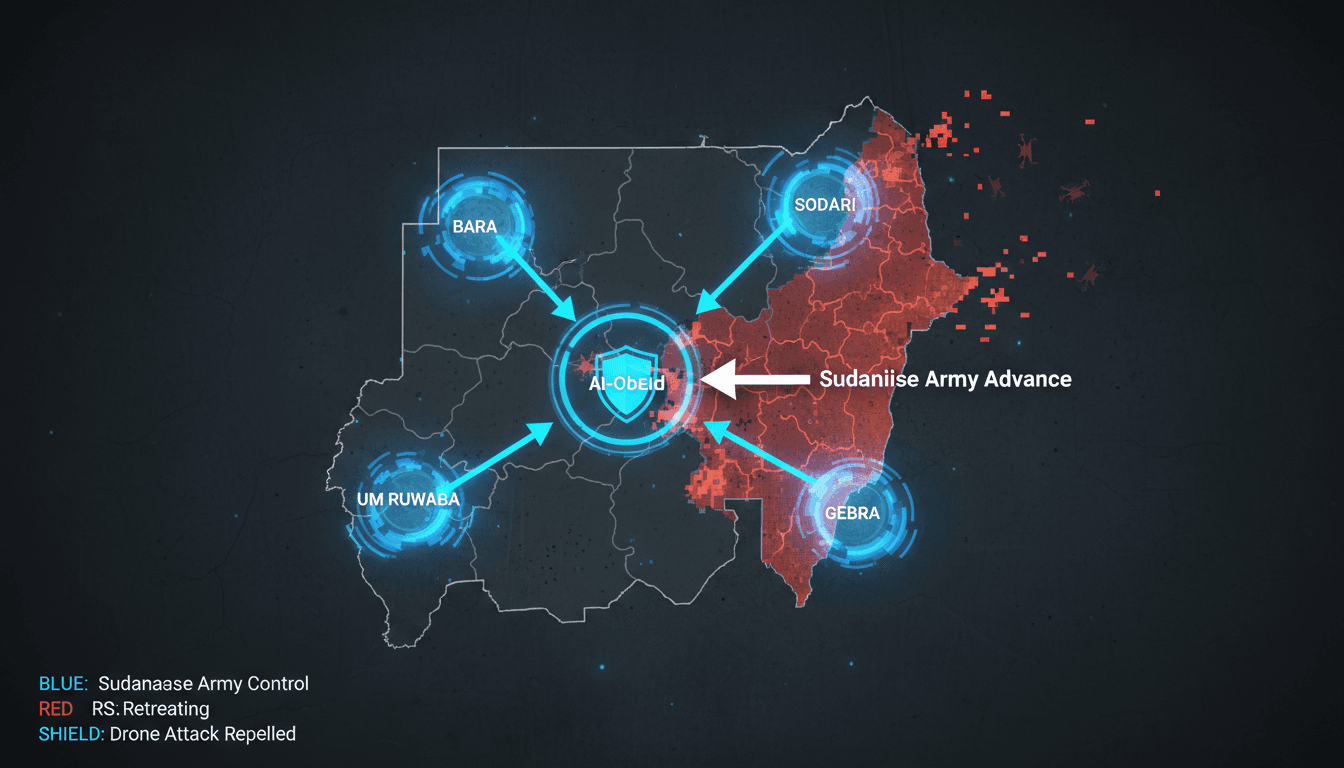
The Sudanese army has successfully regained control of four cities in North Kordofan, marking a notable achievement in its military operations against the RSF. In addition to this territorial recovery, the army thwarted a drone attack launched by the RSF on the city of Al-Obeid. These events indicate a potential weakening of the RSF's military capabilities as the conflict escalates.
The recapture of these cities is significant, as it reflects a shift in the balance of power between the two forces. The Sudanese army's control over the strategic export road connecting Omdurman and Al-Obeid further underscores this change. However, military experts caution that these successes do not guarantee a definitive victory in the ongoing conflict.
The Context
The conflict in Sudan has been marked by escalating military engagements, particularly in North Kordofan, which has affected local stability. The RSF, a paramilitary group, has been a key player in the conflict, and its recent drone attack on Al-Obeid highlights its ongoing operational capabilities. The situation remains fluid, with military operations continuing to evolve.
As the Sudanese army consolidates its gains, the implications for the RSF's military structure are becoming increasingly apparent. Experts suggest that while the army's recent successes are noteworthy, the broader conflict remains uncertain. The international community is likely to monitor these developments closely, especially regarding humanitarian impacts.
Takeaway
The ongoing military confrontations in Sudan suggest a potential for further shifts in territorial control and power dynamics. Observers should monitor future military engagements in North Kordofan, as they may indicate changes in the balance of power. Additionally, international responses to the evolving conflict will be crucial in addressing humanitarian concerns.
As the situation develops, the potential for escalations remains high, and stakeholders must remain aware of the implications for regional stability. The conflict's trajectory will likely continue to draw scrutiny from the global community.
Arabic-language reporting on global and regional news.
"BBC Arabic is part of the BBC, generally regarded for editorial standards and broad international coverage."
— A47 Editor
كيف تحولت موازين القوة بين الجيش والدعم السريع في شمال كردفان؟
Recent military assessments indicate that the Sudanese army has gained control over the strategic 'export road' connecting Omdurman and Al-Obeid, reflecting a significant internal decline and rapid disintegration of the Rapid Support Forces. However,...
Arabic-language coverage of Saudi, regional, and international affairs.
"Al Bilad offers mainstream Saudi newspaper coverage across domestic and broader Arab topics."
— A47 Editor
عزز تقدمه في شمال كردفان.. الجيش السوداني يصد هجوماً على الأبيض
The Sudanese army has made significant territorial gains in North Kordofan by thwarting an attack from the Rapid Support Forces, which utilized drones targeting the city of Al-Obeid. This development coincides with the army's efforts to regain contro...
Arabic-language coverage of international news and geopolitics.
"RT Arabic is a Russian state-funded outlet often criticized for promoting Kremlin-aligned narratives."
— A47 Editor
الجيش السوداني يستعيد 4 مدن بشمال كردفان
The Sudanese army has regained control over four cities in North Kordofan, inflicting significant losses on the Rapid Support Forces. This development marks a notable shift in the ongoing conflict in the region, highlighting the army's efforts to con...