
Australia reports first mass seabird deaths from H5N1 bird flu
What happened
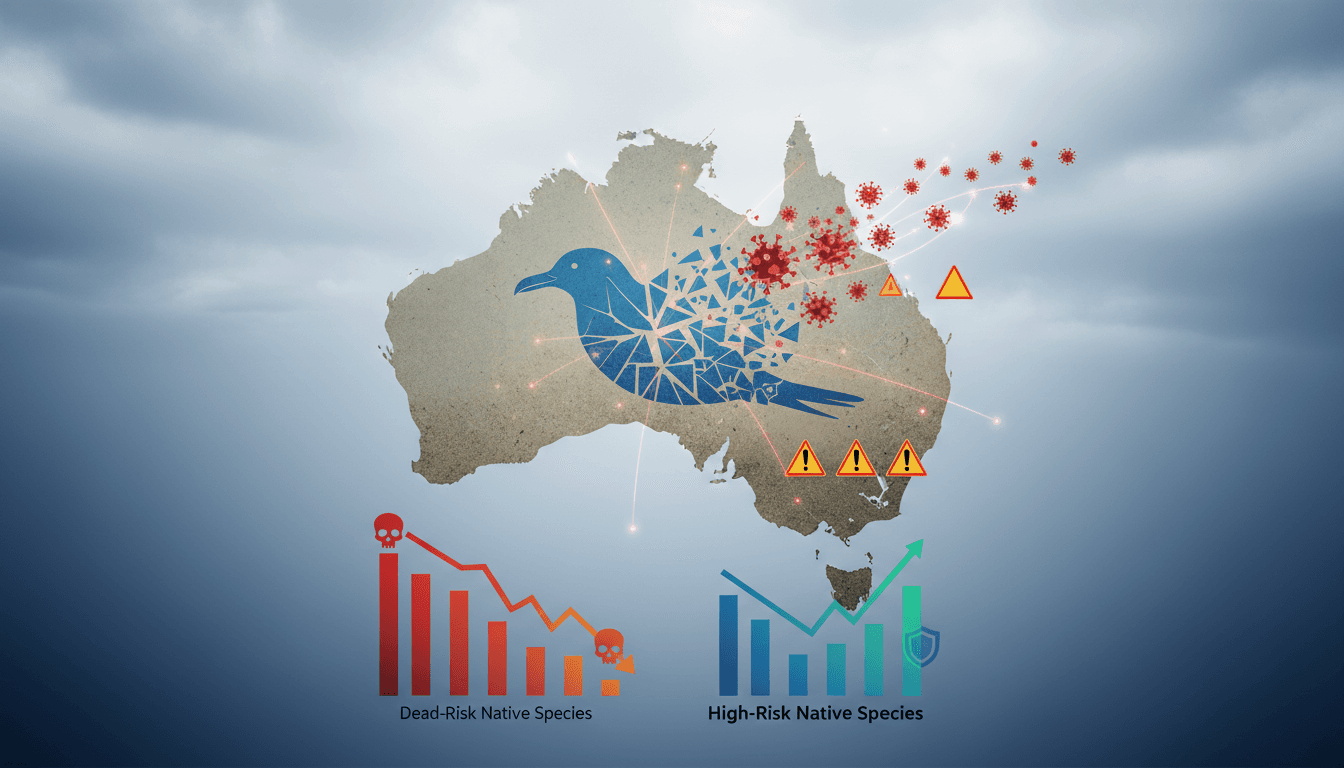
Australia has confirmed its first mass mortality event among seabirds linked to the H5N1 bird flu virus. Testing has revealed the presence of the virus in a group of 49 dead and 35 sick terns, raising alarms among wildlife officials. This incident marks a significant escalation in the ongoing threat posed by H5N1 to native species.
The federal government has conducted assessments indicating that nearly one in five native species is at high risk from the virus. This includes various beloved animals, such as the Tasmanian devil, which are now facing increased vulnerability. The situation demands urgent attention as officials warn of the potential for further spread of the virus.
The Context
The emergence of H5N1 bird flu in Australia has raised significant concerns among conservationists and wildlife officials. The federal assessment, which covered more than 2,000 native species, highlights the precarious position of nearly 400 species now considered at high risk. This alarming statistic underscores the potential for severe population declines among affected species.
The agriculture minister has issued warnings about the likelihood of the virus spreading further, emphasizing the need for immediate action. The implications of this outbreak extend beyond wildlife, potentially affecting agricultural practices and ecosystems across the region. As the situation develops, stakeholders must remain vigilant and proactive in their response efforts.
Takeaway
The ongoing situation necessitates urgent monitoring and response efforts to protect vulnerable wildlife from the H5N1 threat. As updates on wildlife health and the spread of the virus emerge, it will be essential to track government responses and conservation initiatives aimed at mitigating the impact on affected species.
The focus will likely shift towards implementing effective conservation measures to safeguard Australia's unique biodiversity. Continued surveillance will be crucial in preventing further outbreaks and ensuring the health of native wildlife.
Top international stories selected by The Guardian editors.
"The Guardian is known for its progressive editorial stance and in-depth analysis."
— A47 Editor
Penguins and dolphins among nearly 400 Australian species under threat from bird flu as ‘true extent of disaster’ revealed
A federal government assessment has revealed that nearly 400 native Australian species, including penguins, dolphins, and fur seals, are at high risk from the H5N1 bird flu virus, with one in five species facing a significant threat. This alarming si...
Global news coverage with extensive reporting on Middle Eastern conflicts and geopolitics.
"Al Jazeera is a Qatar-based broadcaster known for wide regional coverage and alternative perspectives."
— A47 Editor
Australia warns H5N1 likely to spread after first mass mortality episode
Australia has reported its first mass mortality episode linked to the H5N1 bird flu virus, with testing confirming the presence of the virus in a group of 49 dead and 35 sick terns. This alarming development highlights the potential spread of the vir...
Comprehensive coverage of Middle Eastern and global issues.
"Al Jazeera is a prominent voice from the Global South, especially the Middle East, with an emphasis on underreported stories."
— A47 Editor
Australia warns H5N1 likely to spread after first mass mortality episode
Australia has reported its first mass mortality episode linked to the H5N1 bird flu virus, with testing confirming the presence of the virus in a group of 49 dead and 35 sick terns. This alarming development highlights the potential spread of the vir...
Oil, metals, and agriculture: supply/demand headlines, OPEC chatter, inventories, and price action.
"Solid tape for energy and metals traders tracking macro and micro catalysts."
— A47 Editor
Australia confirms first mass death of seabirds from H5N1 bird flu
Australia has confirmed the first mass death of seabirds due to the H5N1 bird flu, marking a significant escalation in the outbreak of this deadly virus. This development follows the detection of H5 avian influenza in multiple wild birds across the c...