
Qatar mediates U.S.-Iran ceasefire talks amid Strait of Hormuz tensions
What happened
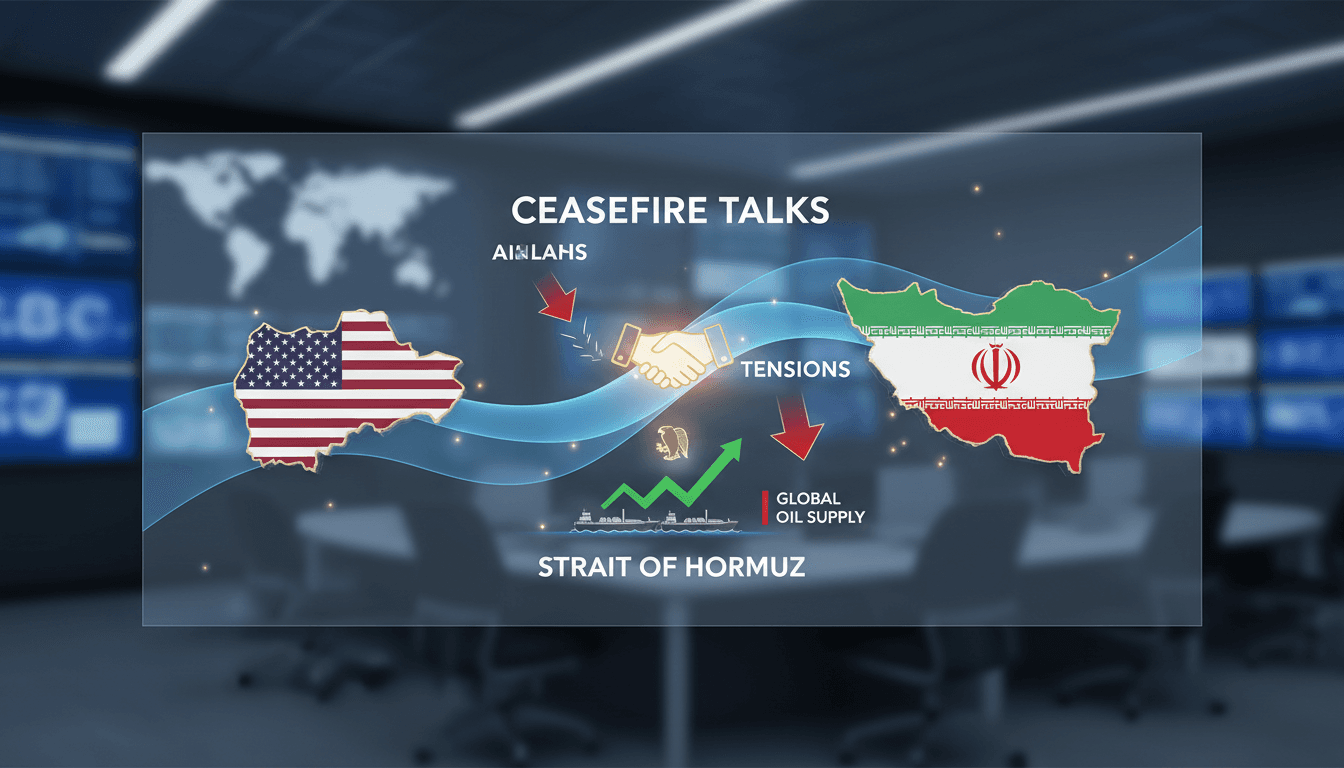
Qatar has reported progress in its mediation efforts between the U.S. and Iran, aimed at restoring a ceasefire and reopening the critical Strait of Hormuz. This announcement comes in the wake of a vessel being attacked near the strait, raising alarms about regional security. The ongoing negotiations are designed to prevent further escalation and ensure stability in energy supply routes.
The attack on the vessel highlights the precarious nature of the situation, as tensions in the region remain high. Qatar's Foreign Ministry has confirmed that indirect talks are ongoing, emphasizing the importance of diplomatic channels in addressing these issues.
The Context
The Strait of Hormuz is a vital shipping lane for global oil supplies, making its security a priority for many nations. Recent attacks have heightened concerns about regional stability and the potential impact on energy prices. Qatar, along with Oman and Pakistan, is playing a significant role in facilitating discussions between the U.S. and Iran, reflecting the broader geopolitical stakes involved.
The timeline of events indicates a critical juncture, with both diplomatic efforts and military tensions unfolding simultaneously. The involvement of multiple stakeholders underscores the complexity of the situation and the need for a coordinated approach to achieve lasting peace.
Takeaway
As diplomatic efforts continue, the situation in the Strait of Hormuz remains tense, with the potential for further conflict still present. Observers should monitor developments in U.S.-Iran negotiations closely, as any breakthroughs could lead to a significant reduction in regional tensions. Additionally, further incidents in the strait could have immediate repercussions for global oil markets.
The outcome of these talks will be pivotal in shaping the future of energy security and international relations in the region. Continued engagement and vigilance will be necessary to navigate this complex landscape.
English-language digital publication covering business, politics, technology, and current affairs.
"The Arabian Post mixes original and syndicated-style coverage with a broad regional and global business-news orientation."
— A47 Editor
Qatar reports headway in US-Iran peace efforts
Qatar has reported progress in mediating peace efforts between the United States and Iran, following discussions involving Oman and Pakistan aimed at formal negotiations to end ongoing conflicts. However, an attack on a commercial vessel near the Str...
International coverage from The Guardian's global desks.
"The Guardian is known for its progressive editorial stance and in-depth analysis."
— A47 Editor
US and Qatar report progress on Iran ceasefire and reopening Hormuz strait
US and Qatari officials have reported progress in negotiations aimed at restoring a ceasefire in the ongoing US-Iran conflict and reopening the strategically significant Strait of Hormuz. This development follows President Trump's recent decision to ...
Global news coverage with extensive reporting on Middle Eastern conflicts and geopolitics.
"Al Jazeera is a Qatar-based broadcaster known for wide regional coverage and alternative perspectives."
— A47 Editor
Qatar says indirect talks continue to reopen Strait of Hormuz
Qatar's Foreign Ministry spokesman, Dr. Majed al-Ansari, announced that indirect talks are ongoing to reopen the strategically significant Strait of Hormuz, aiming to prevent further regional escalation.
Comprehensive coverage of Middle Eastern and global issues.
"Al Jazeera is a prominent voice from the Global South, especially the Middle East, with an emphasis on underreported stories."
— A47 Editor
Qatar says indirect talks continue to reopen Strait of Hormuz
Qatar's Foreign Ministry spokesman, Dr. Majed al-Ansari, announced that indirect talks are ongoing to reopen the strategically significant Strait of Hormuz, aiming to prevent further regional escalation.
Regional and international reporting focused on Middle Eastern politics, diplomacy, and economics.
"Asharq Al-Awsat is a Saudi-owned international newspaper reflecting mainstream Gulf political perspectives."
— A47 Editor
Qatar Says Progress Made Toward US-Iran Talks on Ending War
Qatar has announced progress in facilitating talks between the United States and Iran aimed at ending ongoing conflicts, with discussions reportedly involving Oman and Pakistan to formalize negotiations. This development comes amid heightened tension...
Conservative-leaning political and national coverage.
"The Washington Times is a conservative-leaning newspaper known for its political coverage and advocacy of right-of-center viewpoints."
— A47 Editor
Qatar confirms diplomacy between U.S., Iran as vessel attacked in Strait of Hormuz
Qatar's Foreign Ministry confirmed that its mediators are actively working to facilitate diplomatic discussions between the U.S. and Iran, coinciding with reports of a vessel being attacked in the strategically significant Strait of Hormuz. This inci...