
Escalating U.S.-Iran tensions over Strait of Hormuz negotiations
What happened
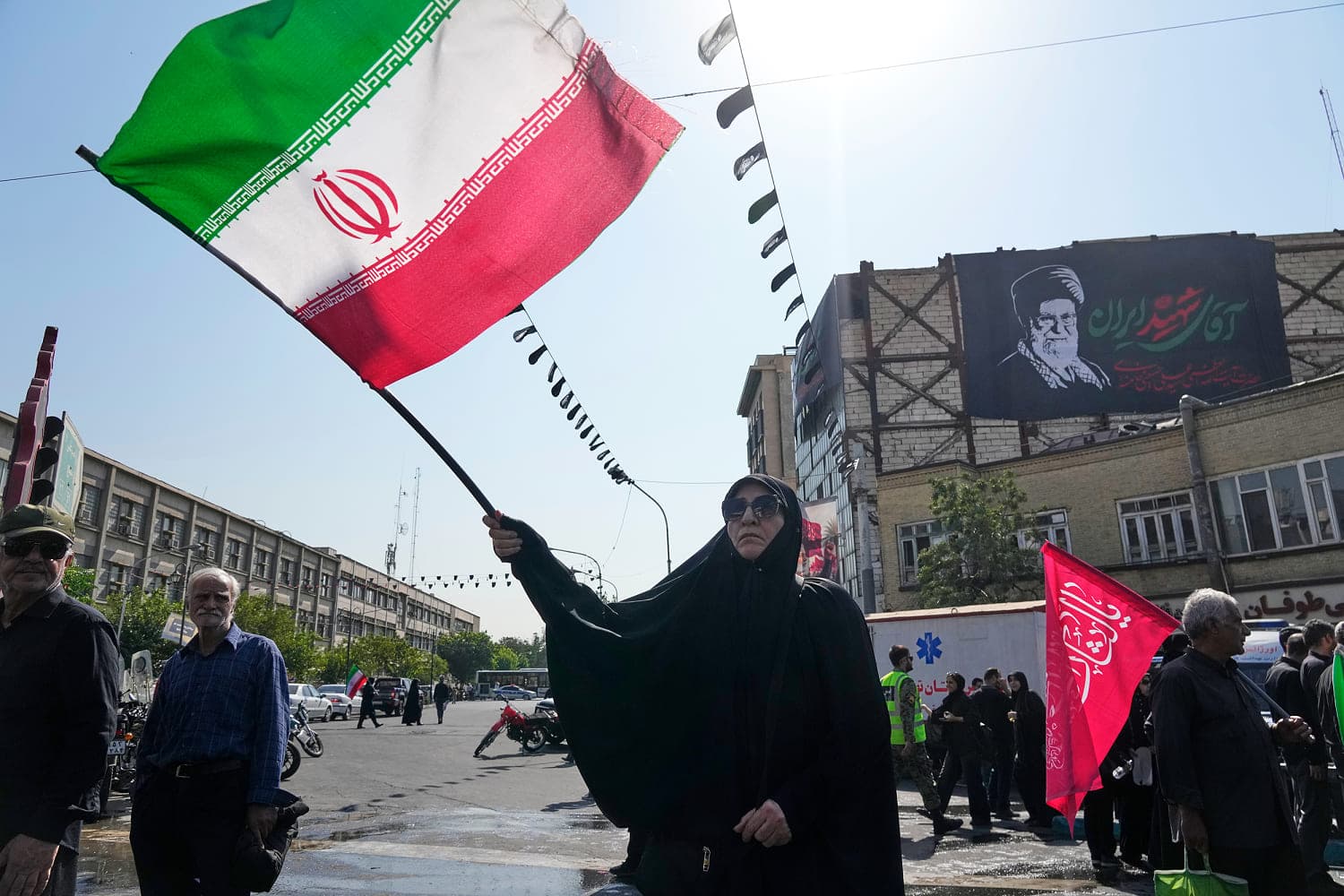
President Trump recently announced that negotiations regarding the Strait of Hormuz are progressing, a claim that Iran has firmly denied. Iranian officials assert that their discussions are limited to Oman and do not involve direct talks with the U.S. This divergence in narratives highlights the complexities of the diplomatic landscape surrounding this critical shipping route.
The Strait of Hormuz is vital for global oil supplies, making the stakes particularly high. As tensions escalate, both nations are navigating threats and military posturing, which could lead to further complications in the region.
The Context
Iran's economy is currently under significant pressure due to ongoing U.S. sanctions, which adds urgency to the situation. The Strait of Hormuz serves as a crucial artery for oil transportation, with approximately 20% of the world's oil passing through it. This makes any disruption in the area a matter of global concern.
Trump's administration faces challenges in its diplomatic approach to Iran, as evidenced by the conflicting statements regarding negotiations. The geopolitical landscape is precarious, with both sides potentially on the brink of military action, further complicating the situation.
Takeaway
As negotiations continue, the potential for a formal agreement involving the U.S., Iran, and Oman remains uncertain. Observers should be alert for any announcements that could signal a shift in the current standoff. Additionally, further military actions or threats from either side could escalate tensions, impacting regional security and global oil supply.
The outcome of these discussions will be crucial in determining the future of U.S.-Iran relations and the stability of the oil markets. Stakeholders should prepare for volatility as the situation develops.
Pan-Arab news coverage spanning politics, business, sports, and regional affairs.
"Asharq Al-Awsat reflects a broad Arab editorial perspective with strong attention to regional geopolitics."
— A47 Editor
اتفاق «هرمز» المحتمل يضع ترمب أمام اختبار صعب
As the conflict between the Trump administration and Iran enters its sixth month, recent waves of threats and diplomatic maneuvers reveal the depth of the impasse. The potential agreement regarding the Strait of Hormuz is now a focal point of tension...
Arabic-language coverage of political affairs and current events.
"Okaz political coverage typically follows mainstream Saudi framing on national and regional affairs."
— A47 Editor
مصدر إيراني يلمح إلى تأجيل اتفاق هرمز.. وترمب يحذّر من التراجع
An Iranian source has hinted that the agreement with Oman regarding the opening of the Strait of Hormuz will be postponed as long as the U.S. continues its threats against Iran. This statement follows U.S. President Donald Trump's remarks that the st...
Global political, business, and cultural coverage from WSJ international desks.
"The Wall Street Journal offers extensive international reporting with a reputation for financial insight and a center-right editorial stance."
— A47 Editor
Iran Is Staking Everything on Controlling the Strait of Hormuz
Iran is intensifying its efforts to control the strategically vital Strait of Hormuz, a critical passage for global oil shipments, amid escalating tensions with the United States under President Trump. Tehran's hard-line stance threatens to destabili...
Focused political reporting and governmental affairs.
"NBC News is a mainstream media outlet known for comprehensive national and international news coverage with a centrist to slightly left-leaning editorial tone."
— A47 Editor
Trump claims Iran talks are underway as Tehran denies it
President Donald Trump has claimed that new talks between the United States and Iran are underway, despite Tehran's denial of such discussions. This assertion comes amid rising tensions and a significant increase in oil prices, with Brent crude risin...
Comprehensive coverage of global events, politics, and international issues.
"NBC News is a mainstream outlet known for comprehensive national and international coverage with a centrist to slightly left-leaning editorial tone."
— A47 Editor
Trump claims Iran talks are underway as Tehran denies it
President Donald Trump has claimed that new talks between the United States and Iran are underway, despite Tehran's denial of such discussions. This assertion comes amid rising tensions and a significant increase in oil prices, with Brent crude risin...
Arabic-language reporting on global and regional news.
"BBC Arabic is part of the BBC, generally regarded for editorial standards and broad international coverage."
— A47 Editor
ترامب يقول إن "المفاوضات الحالية مع إيران تمثل الفرصة الأخيرة"، وطهران تنفي انعقاد أي مفاوضات
Iran has denied any direct negotiations with the United States, asserting that its discussions with Oman are focused on the Strait of Hormuz. This follows Donald Trump's statement that current negotiations with Iran represent a last opportunity, alon...