
Agreement to potentially reopen the Strait of Hormuz expected within days
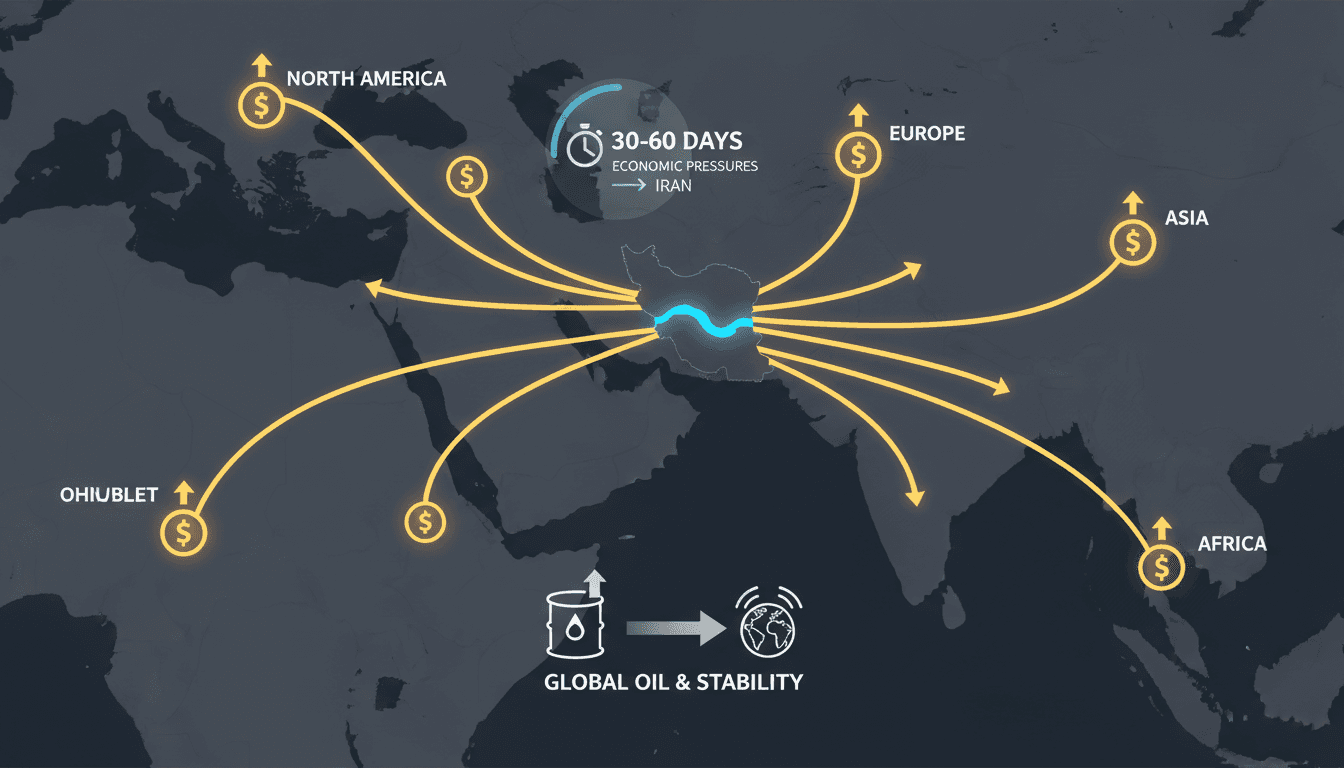
Here's what it means for you.
The potential reopening of the Strait of Hormuz could have significant implications for global oil markets and U.S.-Iran relations. With the U.S. applying economic pressure on Iran, this agreement may reshape the dynamics of regional stability. Stakeholders in the oil industry should prepare for potential fluctuations in supply and pricing as negotiations unfold. The outcome of these discussions will be closely monitored by international markets, as the Strait is a critical shipping route for oil. A successful agreement could lead to a temporary easing of tensions and a more stable environment for oil transportation.
What happened
U.S. Treasury Secretary Scott Bisnet announced that an agreement to reopen the Strait of Hormuz could be reached within the next two days. This potential reopening is expected to last between 30 to 60 days, providing a temporary solution to ongoing tensions. The announcement comes amid heightened economic pressures being applied to Iran by the United States.
The Strait of Hormuz is a vital shipping route for global oil, making this development particularly significant. As negotiations progress, the international community is watching closely for any shifts in the situation.
The Context
The U.S. has been exerting economic pressure on Iran, which has led to a complex geopolitical landscape. The Strait of Hormuz is crucial for global oil shipping, with a significant percentage of the world's oil passing through this narrow waterway. The evolving situation has implications not only for regional stability but also for the broader global economy.
As the U.S. and Iran navigate these negotiations, the potential reopening of the Strait could serve as a pivotal moment in their relations. The timing of this agreement is critical, as it may influence both countries' strategies moving forward.
Takeaway
As the negotiations to reopen the Strait of Hormuz progress, stakeholders should monitor developments closely. The outcome could significantly impact oil markets and U.S.-Iran relations, with potential shifts in regional security dynamics. Observers will be particularly interested in how global oil markets react to any announcements regarding the agreement.
In the coming days, reactions from both the U.S. and Iran will be crucial in determining the future of this vital shipping route. The international community remains vigilant as the situation unfolds.
Jordanian news and regional updates.
"Roya News is a Jordanian outlet focused on breaking news and local affairs."
— A47 Editor
وزير الخزانة الأمريكي: من المتوقع إعادة فتح مضيق هرمز خلال يومين بسبب عجز إيران
U.S. Treasury Secretary Scott Bisent has predicted that the Strait of Hormuz is expected to reopen within two days due to Iran's inability to maintain control over the area. This development follows ongoing tensions in the region, which have raised c...
Arabic-language political and world news coverage for UAE readers.
"Emarat Al Youm world coverage usually presents international developments through a UAE and Arab audience lens."
— A47 Editor
وزير الخزانة الأميركي: قد نتوصل اليوم أو غداً إلى اتفاق لفتح مضيق هرمز وزير الخزانة الأميركي: قد نتوصل اليوم أو غداً إلى اتفاق لفتح مضيق هرمز
U.S. Treasury Secretary Scott Pisent announced that an agreement to open the Strait of Hormuz could be reached today or tomorrow, potentially allowing access for 30 to 60 days. This statement highlights ongoing diplomatic efforts regarding a critical...
Jordanian news and regional updates.
"Roya News is a Jordanian outlet focused on breaking news and local affairs."
— A47 Editor
وزير الخزانة الأمريكي: نخنق إيران اقتصاديًا ونتوقع اتفاقًا لفتح مضيق هرمز لـ30-60 يوماً
The U.S. Treasury Secretary announced that the United States is intensifying economic pressure on Iran and anticipates an agreement to open the Strait of Hormuz for a duration of 30 to 60 days. This statement underscores the ongoing tensions between ...