
U.S. Treasury Secretary predicts decline in Strait of Hormuz's strategic importance
What happened
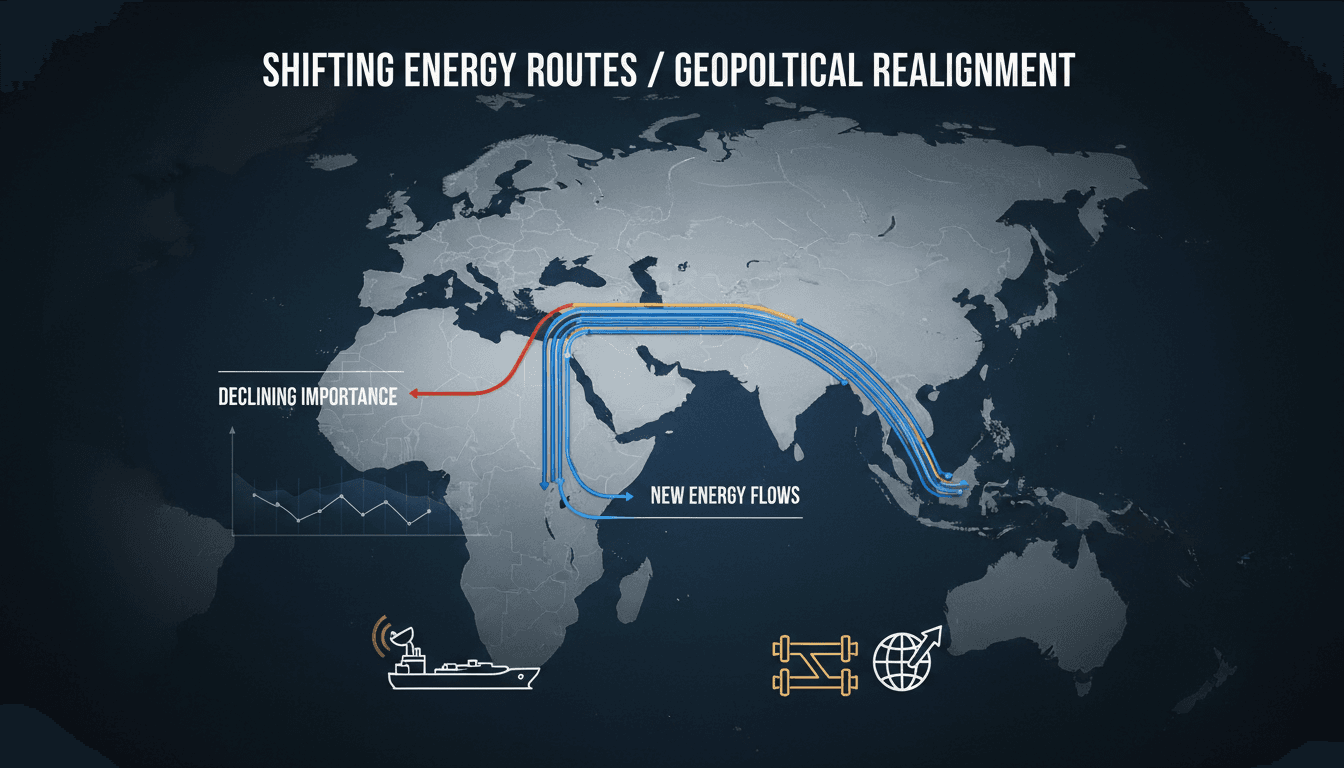
U.S. Treasury Secretary Scott Bissent has predicted a notable decline in the strategic importance of the Strait of Hormuz within the next two years. This forecast arises as energy flows increasingly shift to alternative pipelines, reducing reliance on this critical passage. The prediction comes amid ongoing tensions between the U.S. and Iran, which have led to significant disruptions in energy supplies.
Bissent's remarks suggest that energy transport through the Strait could decrease by 50-70% as new routes are developed. This shift is expected to alter the geopolitical landscape of the Gulf region, diminishing Iran's control over vital shipping lanes.
The Context
The Strait of Hormuz currently facilitates approximately 20% of global oil and gas exports, making it a crucial artery for energy supplies. Recent tensions between the U.S. and Iran have raised concerns about the stability of this route, with Iran previously closing the strait, causing major disruptions. Ongoing negotiations regarding the control of shipping routes in the region are critical to understanding the future dynamics of energy transport.
As alternative energy routes are developed, the implications for global energy security and pricing become increasingly significant. The evolving situation highlights the need for stakeholders to adapt to potential changes in energy supply chains and geopolitical relations.
Takeaway
Looking ahead, potential agreements between Iran and Oman regarding shipping control could further influence the dynamics of the Strait of Hormuz. Additionally, developments in U.S.-Iran negotiations will be crucial in determining the future of energy supplies in the region. The anticipated reduction in the Strait's significance may lead to a broader shift in geopolitical dynamics, impacting global energy markets.
Stakeholders should closely monitor these developments to understand their implications for energy transport and regional stability. The evolving energy landscape presents both challenges and opportunities for those engaged in the sector.
Arabic-language coverage of international news and geopolitics.
"RT Arabic is a Russian state-funded outlet often criticized for promoting Kremlin-aligned narratives."
— A47 Editor
الرهان الأمريكي.. عامان ويفقد مضيق هرمز أهميته والخليج يجهز البدائل
U.S. Treasury Secretary Scott Pisent has indicated that the strategic importance of the Strait of Hormuz may diminish over the next two years, as a growing share of energy flows shifts to alternative pipelines and land routes.
Arabic-language coverage of political affairs and current events.
"Okaz political coverage typically follows mainstream Saudi framing on national and regional affairs."
— A47 Editor
وزير الخزانة الأمريكي: مضيق هرمز يفقد أهميته خلال عامين
U.S. Treasury Secretary Scott Pisent predicted that the Strait of Hormuz will lose its significance within the next two years, as 50 to 70% of the energy currently transported through the strait will shift to underground pipelines. This statement fol...
Jordanian news and regional updates.
"Roya News is a Jordanian outlet focused on breaking news and local affairs."
— A47 Editor
وزير الخزانة الأمريكي: من المتوقع إعادة فتح مضيق هرمز خلال يومين بسبب عجز إيران
U.S. Treasury Secretary Scott Bisent has predicted that the Strait of Hormuz is expected to reopen within two days due to Iran's inability to maintain control over the area. This development follows ongoing tensions in the region, which have raised c...