
Iran's Revolutionary Guards Blockade Strait of Hormuz Demanding U.S. Compensation
What happened
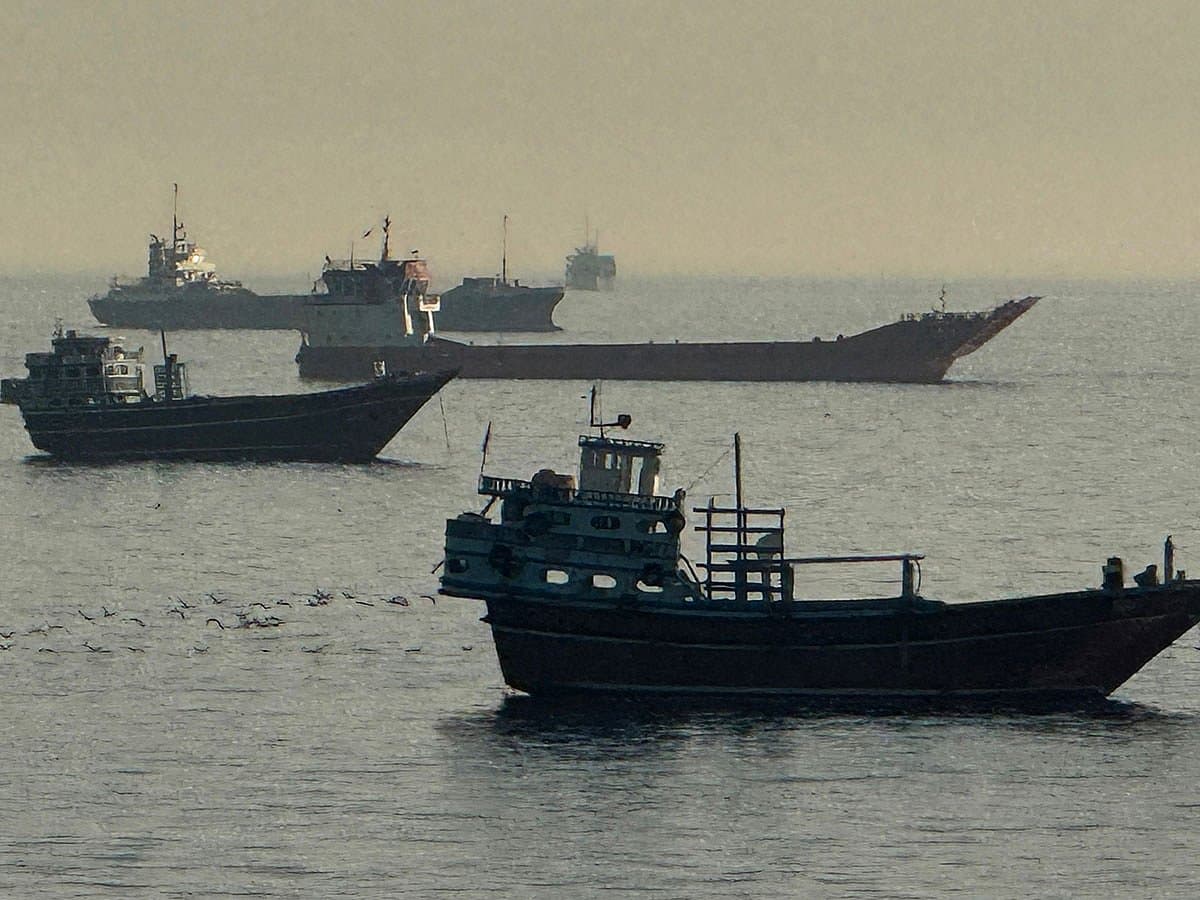
Iran's Revolutionary Guards have declared a blockade of the Strait of Hormuz, demanding that the United States meet their compensation demands related to military actions. This blockade is a direct response to recent U.S. and Israeli military operations against Iran, which have heightened tensions in the region. The Revolutionary Guards have stated that they will not reopen the strait until their conditions are met, which includes compensation for damages incurred.
The blockade has already begun to impact energy prices and market stability, raising concerns among global stakeholders. As the situation develops, the implications for international trade and energy supply chains are becoming increasingly significant.
The Context
The Strait of Hormuz is a critical passage for global oil shipments, making its security vital for the world’s energy supply. Approximately 20% of the world's oil flows through this narrow waterway, highlighting the importance of maintaining open shipping lanes. Iran's demands for compensation stem from military actions taken by the U.S. and Israel, which they claim have caused significant damage.
The blockade, announced on August 9, 2026, follows military actions against Iran that began in late February of the same year. As tensions escalate, the international community is closely monitoring the situation, particularly regarding potential U.S. responses and the broader implications for regional stability.
Takeaway
The ongoing tensions between Iran and the U.S. could lead to further disruptions in global oil supply if diplomatic resolutions are not pursued. Observers should watch for potential U.S. diplomatic responses to Iran's demands, as these will be crucial in determining the future of the blockade. The impact of the blockade on global oil prices and markets will also be a key area of focus in the coming weeks.
As the situation evolves, the potential for military or economic actions could exacerbate the crisis, making it essential for stakeholders to stay informed and prepared for rapid changes in the energy landscape.
UAE-based newspaper covering Gulf politics, society, and international developments.
"Gulf News is one of the UAE’s most prominent English-language publications."
— A47 Editor
Iran Guards say won't reopen Hormuz without US meeting Tehran's demands
Iran's Revolutionary Guards have declared that the Strait of Hormuz will remain closed until the United States meets all of Tehran's demands, which include lifting sanctions and providing compensation for war damages. This announcement underscores th...
A curated Gulf News feed featuring major stories across news, business, opinion, and lifestyle.
"Gulf News is a major UAE newspaper whose featured stories feed reflects a broad editorial mix shaped for a Gulf audience."
— A47 Editor
Iran Guards say won't reopen Hormuz without US meeting Tehran's demands
Iran's Revolutionary Guards have declared that the Strait of Hormuz will remain closed until the United States meets all of Tehran's demands, which include lifting sanctions and providing compensation for war damages. This announcement underscores th...
Regional and international reporting focused on Middle Eastern politics, diplomacy, and economics.
"Asharq Al-Awsat is a Saudi-owned international newspaper reflecting mainstream Gulf political perspectives."
— A47 Editor
Iran Says Won't Reopen Hormuz Without US Meeting All Tehran's Conditions
Iran has announced that the Strait of Hormuz will remain closed until the United States fulfills all of Tehran's conditions, which include lifting sanctions and providing compensation for war damages. This declaration underscores the ongoing tensions...
Regional coverage and analysis focused on politics, diplomacy, and business across the Middle East.
"Al-Monitor is known for analytical reporting on Middle East politics and policy developments."
— A47 Editor
Iran Guards say won't reopen Hormuz without US meeting Tehran's demands
Iran's Revolutionary Guards have declared that the Strait of Hormuz will remain closed until the United States meets a series of demands, including compensation for war damages and lifting sanctions. This announcement underscores the ongoing tensions...
Regional coverage and analysis focused on politics, diplomacy, and business across the Middle East.
"Al-Monitor is known for analytical reporting on Middle East politics and policy developments."
— A47 Editor
Iran Guards say won't reopen Hormuz without US meeting all Tehran's conditions
Iran's Revolutionary Guards announced that the Strait of Hormuz will remain closed until the United States meets Tehran's conditions, which include compensation for war damages and control over shipping routes. This blockade has been in effect since ...