
U.S. and Iran negotiations show signs of progress amid regional tensions
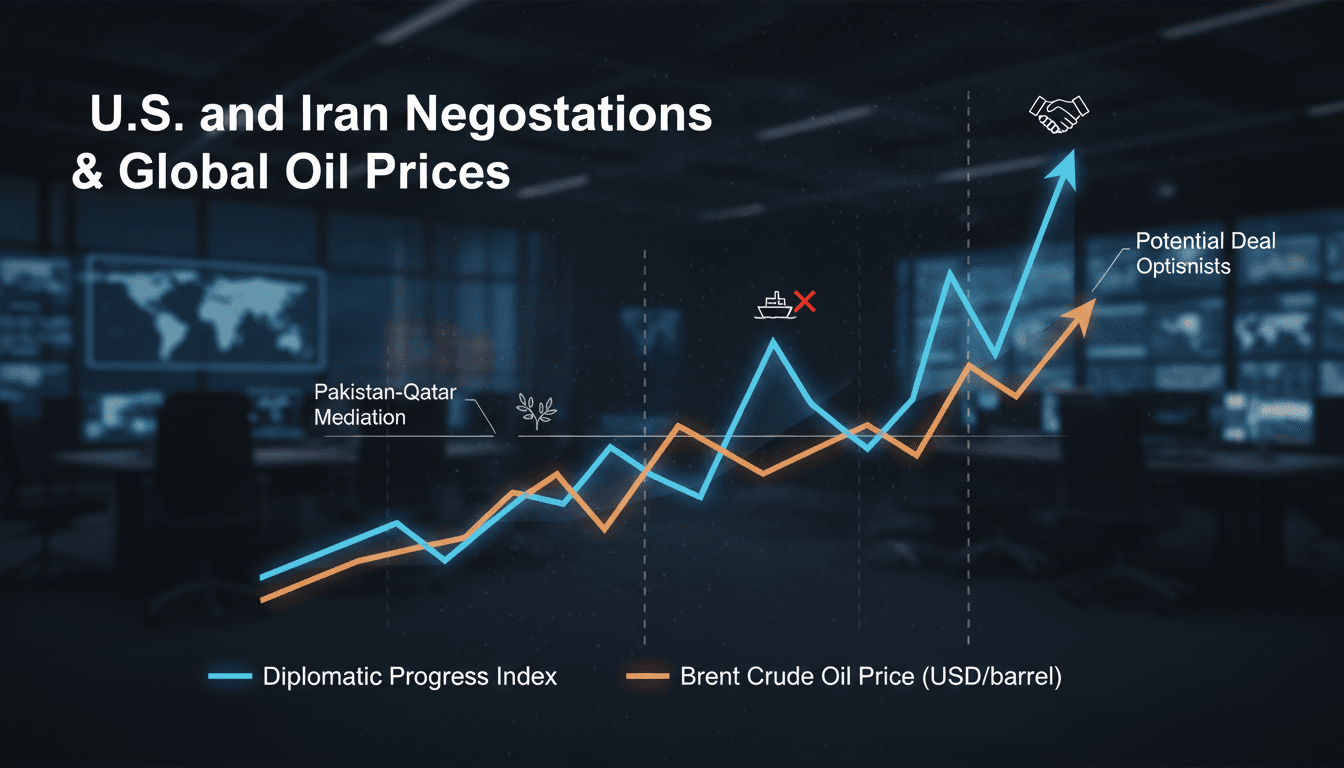
What happened
Pakistan has announced that the U.S. and Iran are nearing a potential deal, signaling progress in negotiations despite ongoing regional tensions. This announcement comes in the wake of recent attacks on shipping in the Strait of Hormuz, which have raised concerns about maritime security. The optimism expressed by a top Pakistani official suggests that both nations are willing to engage in constructive dialogue.
The negotiations are being mediated by Pakistan and Qatar, highlighting the role of regional players in facilitating discussions. As the situation evolves, the implications for global oil prices are becoming increasingly significant, with markets reacting to geopolitical developments.
The Context
The U.S. and Iran have been engaged in a complex relationship characterized by conflict and negotiation. Recent attacks on shipping in the Strait of Hormuz have intensified concerns about regional stability, making the current negotiations even more critical. Rising oil prices reflect market sensitivity to these geopolitical tensions, underscoring the importance of U.S.-Iran relations in global energy markets.
The involvement of Pakistan and Qatar as mediators indicates a collaborative approach to resolving longstanding issues. If a deal is reached, it could stabilize the region and positively influence global oil supply, but ongoing tensions may complicate the situation further.
Takeaway
The ongoing negotiations between the U.S. and Iran could lead to a significant shift in their relations, with potential ramifications for global oil supply. Stakeholders should monitor further developments closely, as any agreement could influence market reactions and pricing strategies. The situation remains fluid, and the impact of recent shipping attacks may still pose challenges to achieving a lasting resolution.
As news unfolds, reactions in oil markets will be crucial to watch, as they may reflect broader sentiments regarding the stability of the region and the effectiveness of diplomatic efforts.
English-language news from Qatar covering domestic and regional affairs.
"Gulf Times reflects Qatari perspectives on regional developments."
— A47 Editor
Pakistan says ‘some sort’ of deal at hand
Pakistan announced that the United States and Iran are nearing a potential agreement, despite ongoing tensions and recent attacks on shipping in regional waters. This development suggests a shift towards diplomatic engagement between the two nations,...
Global business headlines with AI angles.
"General business outlet that frequently covers AI."
— A47 Editor
A Top Pakistani Official Voiced Optimism Over a U.S.-Iran Deal. Oil Is Rising Anyway.
A top Pakistani official expressed optimism regarding a potential deal between the U.S. and Iran, coinciding with a rise in oil prices. This development highlights the complexities of international relations in the region, particularly as both nation...
Regional coverage and analysis focused on politics, diplomacy, and business across the Middle East.
"Al-Monitor is known for analytical reporting on Middle East politics and policy developments."
— A47 Editor
Pakistan says US and Iran close to 'some sort' of deal despite attacks on shipping
Pakistan has indicated that the United States and Iran are nearing a potential agreement, with Qatar mediating discussions focused on managing the strategically vital Strait of Hormuz, despite ongoing reports of attacks on shipping in the region.