
US Intensifies Naval Blockade and Sanctions Against Iran Amid Escalating Conflict
What happened
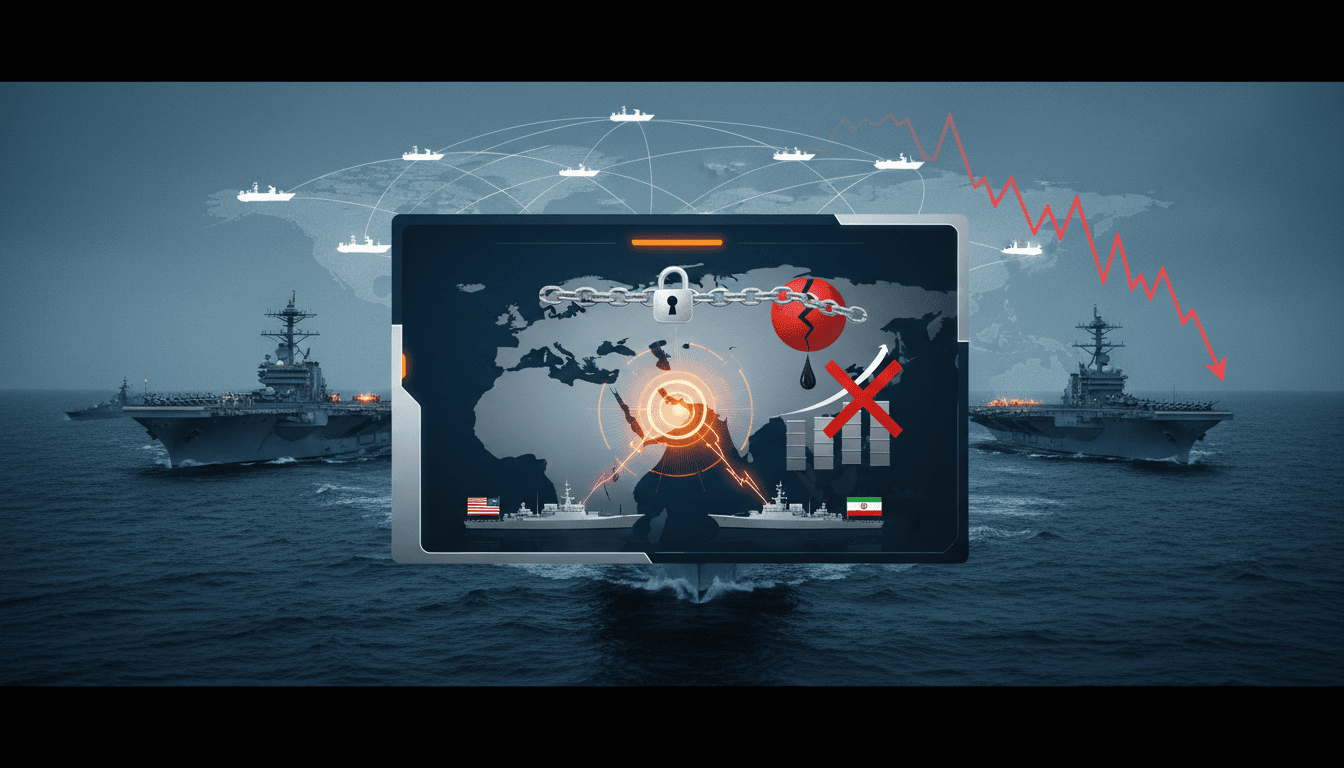
The US has escalated its military and economic pressure on Iran by imposing an indefinite naval blockade while ramping up economic sanctions. This move comes amid stalled ceasefire talks, indicating a significant deterioration in diplomatic relations. The blockade aims to cripple Iran's economy by cutting off its primary source of hard currency.
In response, Iran has threatened to disrupt oil shipping in the Strait of Hormuz, leveraging its strategic position to maintain high oil prices. The conflict has reached a critical juncture, with both sides caught in a cycle of escalating tensions and no clear resolution in sight.
The Context
The US aims to weaken Iran's economic standing through a combination of sanctions and a naval blockade, which could have far-reaching consequences for global oil supply. Iran, on the other hand, is attempting to leverage its control over the Strait of Hormuz, a crucial maritime route for oil shipments, to counteract US pressure. The ongoing conflict risks becoming protracted, as neither side appears capable of securing a decisive victory.
The situation is further complicated by shifting US objectives and Iran's aggressive posturing. With the potential for a significant drop in global oil supply—projected at 4.3 million barrels per day—the stakes are high for both nations and the international community.
Takeaway
As the US and Iran continue to escalate their strategies, the potential for a wider regional conflict grows. Observers should watch for potential direct talks between the two nations, which could emerge as the situation escalates further. Additionally, further announcements from the US regarding economic measures against Iran are likely in the coming days.
The volatility of the situation suggests that both sides will maintain aggressive postures as they seek leverage. The implications for global energy markets and international relations remain significant, warranting close attention from policymakers and industry stakeholders alike.
Pan-Arab news coverage spanning politics, business, sports, and regional affairs.
"Asharq Al-Awsat reflects a broad Arab editorial perspective with strong attention to regional geopolitics."
— A47 Editor
هدنة على حافة السقوط... واشنطن وطهران في سباق «من يرمش أولاً»
Washington is intensifying its sanctions and economic pressure on Iran, aiming to stifle its exports and economy, while Tehran is countering by threatening to disrupt navigation in the Strait of Hormuz and keep global energy prices elevated.
Global markets, investing, and macroeconomics from a premier financial newsroom.
"Bloomberg is respected for in-depth financial reporting and data-driven analysis."
— A47 Editor
US-Iran War Risks Repeated Cycles of Fighting
The ongoing conflict between the US and Iran is at risk of becoming a protracted war, as shifting US objectives and the inability of either side to achieve a decisive military victory complicate efforts for a lasting resolution. Becca Wasser from Blo...
Global political, business, and cultural coverage from WSJ international desks.
"The Wall Street Journal offers extensive international reporting with a reputation for financial insight and a center-right editorial stance."
— A47 Editor
The Iran War Is Now About Who Blinks First Under Economic Pressure
The ongoing conflict between the United States and Iran has intensified as the Trump administration reinforces sanctions and a naval blockade, while Tehran anticipates that high oil prices will compel Washington to ease its stance. This standoff high...
English-language reporting on Saudi politics, policy, and society.
"Saudi Gazette reflects mainstream Saudi institutional perspectives."
— A47 Editor
US eyes indefinite Iran naval blockade, vows more economic pressure
The United States has announced plans to maintain an indefinite naval blockade of Iran, intensifying economic pressure on Tehran amid stalled ceasefire talks and declining global oil supplies. Defense Secretary Pete Hegseth confirmed the military's c...