
Ebola outbreak declared deadliest in history with over 2000 deaths
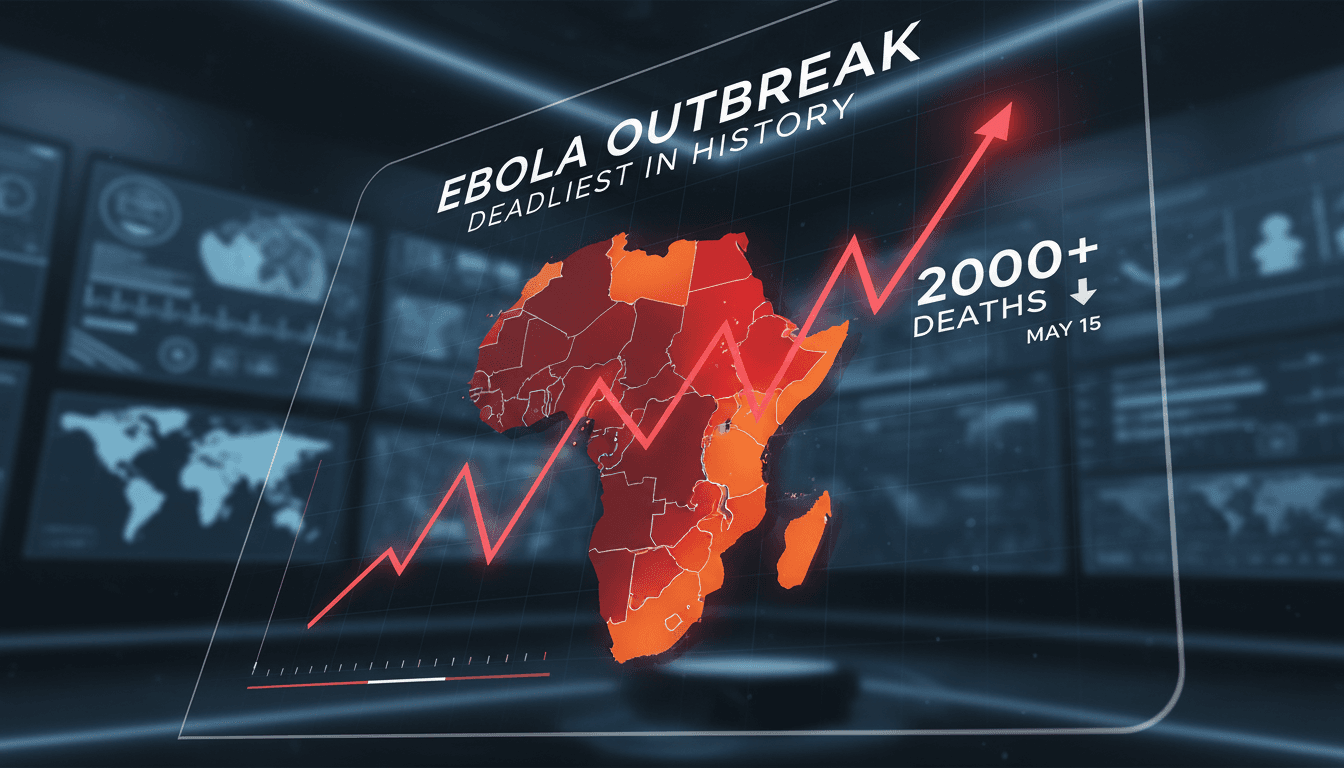
What happened
The World Health Organization (WHO) has reported that the Ebola outbreak, officially declared on May 15, 2026, has resulted in over 2,000 deaths. This outbreak is on track to become the deadliest in history, with thousands of additional cases currently being monitored. The situation is critical, and the number of reported cases continues to rise, indicating a worsening scenario.
The outbreak's rapid escalation has prompted urgent calls for action from the global health community. As the death toll climbs, the need for effective intervention becomes increasingly paramount.
The Context
The Ebola outbreak was declared on May 15, 2026, marking a significant moment in public health history. With the current death toll surpassing 2,000, this outbreak is poised to exceed previous records for Ebola fatalities. The ongoing crisis highlights the vulnerabilities in global health systems and the necessity for robust response mechanisms.
Stakeholders, including governments, health organizations, and researchers, are now focused on containment measures and the development of effective treatments and vaccines. The urgency of the situation calls for a coordinated international response to prevent further loss of life and manage the outbreak effectively.
Takeaway
As the outbreak continues to spread, the global health community must mobilize resources to combat this escalating crisis. Future updates will likely focus on international response efforts and the potential development of vaccines. The situation remains fluid, and ongoing monitoring of cases will be essential to inform public health strategies.
The emphasis will shift towards long-term solutions, including the establishment of effective treatments and preventive measures to avert similar outbreaks in the future. Stakeholders must remain vigilant and proactive in addressing the challenges posed by this deadly virus.
Arabic-language reporting on global and regional news.
"BBC Arabic is part of the BBC, generally regarded for editorial standards and broad international coverage."
— A47 Editor
منظمة الصحة العالمية: تفشّي إيبولا يتجه ليصبح الأكثر فتكاً على الإطلاق
The World Health Organization (WHO) has reported that the Ebola outbreak, declared on May 15, has resulted in over 2,000 deaths and thousands of additional infections, indicating a severe public health crisis.
International coverage of politics, culture, and current affairs.
"BBC News is widely regarded as a reputable international news organization, known for its impartial tone and public service mandate."
— A47 Editor
Ebola outbreak on track to be deadliest ever, WHO chief says
The World Health Organization (WHO) has reported that the ongoing Ebola outbreak in the Democratic Republic of the Congo (DRC), declared on May 15, has resulted in over 2,000 deaths and thousands of additional cases, marking it as potentially the dea...
Regional and international reporting focused on Middle Eastern politics, diplomacy, and economics.
"Asharq Al-Awsat is a Saudi-owned international newspaper reflecting mainstream Gulf political perspectives."
— A47 Editor
WHO Says Congo’s Ebola Outbreak Is on Track to Eclipse the Deadliest One in History
The World Health Organization (WHO) has reported that the Ebola outbreak in the Democratic Republic of the Congo (DRC) is on track to surpass the deadliest outbreak in history, with current statistics indicating a rapidly increasing death toll and co...