
U.S. Treasury Accuses Chinese Company Hengli of Illicit Iranian Oil Imports
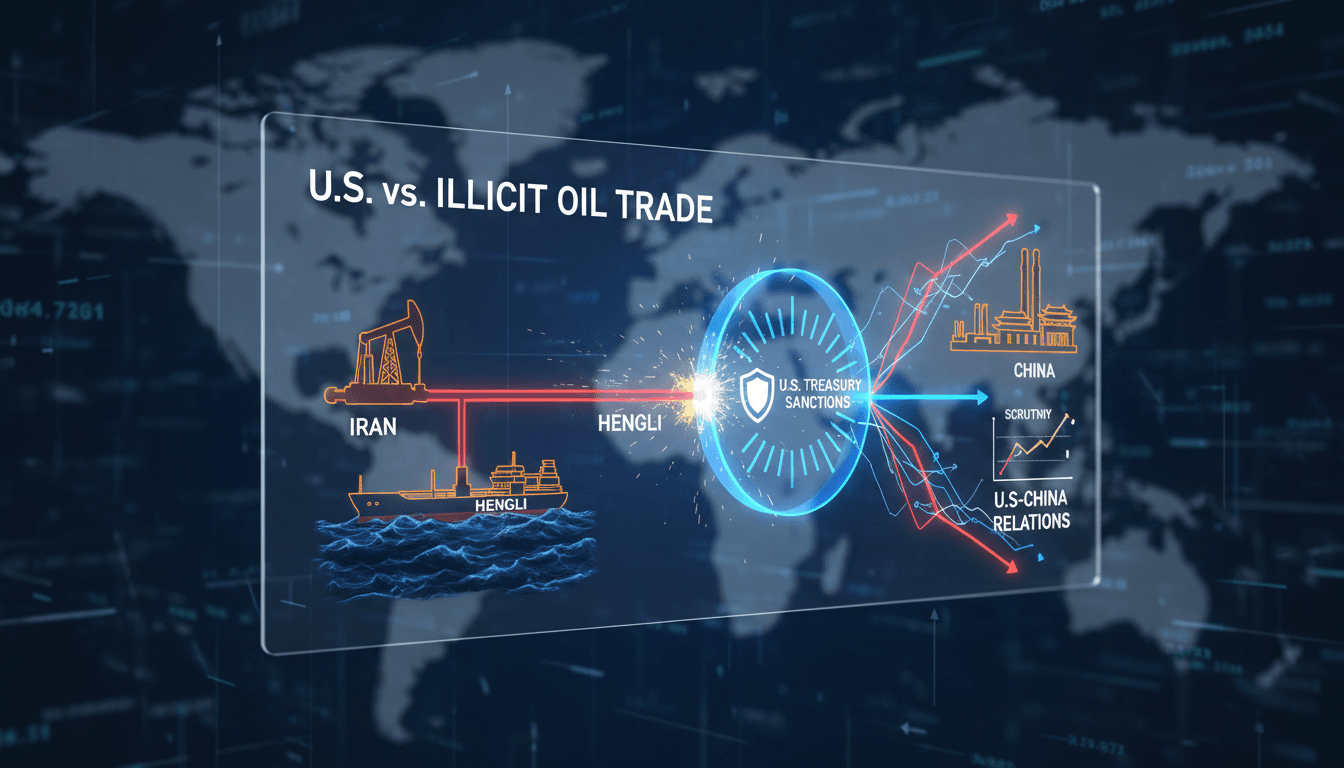
Here's what it means for you.
The U.S. Treasury's allegations against Hengli could signal a tightening of scrutiny on Chinese firms involved in oil trading, particularly those with ties to Iran. This situation may lead to increased regulatory challenges for companies operating in the global petrochemical market. Stakeholders should prepare for potential shifts in U.S.-China relations as the enforcement of sanctions continues to evolve.
What happened
The U.S. Treasury has accused the Chinese petrochemical company Hengli of being a significant importer of illicit Iranian crude oil. This accusation suggests that Hengli may be funding Iran through sanctioned oil purchases, which could have serious implications for international sanctions enforcement. In response, Hengli has publicly denied these allegations, asserting that it does not engage in trade with Iran.
The accusations were made on August 16, 2026, marking a critical moment in the ongoing tensions surrounding Iranian oil exports. As a major player in the global petrochemical market, Hengli's operations are now under intense scrutiny from U.S. authorities.
The Context
The U.S. has been actively enforcing sanctions against Iranian oil exports, which have been a focal point of geopolitical tensions in recent years. Hengli's involvement in this complex landscape raises questions about the broader implications for U.S.-China relations. The allegations against Hengli come at a time when the U.S. is increasingly vigilant about foreign entities that may undermine its sanctions regime.
As the situation unfolds, the potential for further sanctions against Hengli or other Chinese firms looms large. The outcome of this case could set a precedent for how similar allegations are handled in the future, impacting not only Hengli but also the global petrochemical industry.
Takeaway
The ongoing tensions surrounding sanctions may lead to increased scrutiny of Chinese companies involved in oil trading. Observers will be closely monitoring the U.S. government's next steps, particularly regarding potential sanctions against Hengli or other firms. Additionally, responses from the Chinese government regarding these allegations will be crucial in shaping the narrative and future interactions between the two nations.
As the U.S. continues to enforce its sanctions against Iran, the implications for Hengli and the broader market remain fluid. Stakeholders should stay informed about developments in this situation, as they could have significant repercussions for international trade and diplomacy.
Jordanian news and regional updates.
"Roya News is a Jordanian outlet focused on breaking news and local affairs."
— A47 Editor
واشنطن تتهم مجموعة هنغلي الصينية بشراء مليارات الدولارات من النفط الإيراني
The U.S. Department of the Treasury has accused the Chinese company Hengli Group of purchasing billions of dollars worth of Iranian oil, raising concerns over potential violations of sanctions. This accusation highlights the ongoing tensions between ...
Macro commentary, policy analysis, growth/inflation themes, and global outlooks.
"Contextual macro coverage that complements day-to-day market headlines."
— A47 Editor
Chinese refiner Hengli accused of funding Iran through sanctioned oil purchases
Chinese refiner Hengli has been accused of funding Iran through oil purchases that violate international sanctions, raising concerns about the company's compliance with global regulations. This allegation comes amid heightened scrutiny of China's oil...
Global political, business, and cultural coverage from WSJ international desks.
"The Wall Street Journal offers extensive international reporting with a reputation for financial insight and a center-right editorial stance."
— A47 Editor
This Sprawling Chinese Refinery Is Bankrolling Tehran
Hengli, a Chinese petrochemical company, has been accused by the U.S. of being a significant importer of illicit Iranian crude oil, a claim that Hengli has denied. This allegation highlights ongoing tensions regarding Iran's oil trade and the enforce...