
US and Iran tensions escalate over Strait of Hormuz as sanctions loom
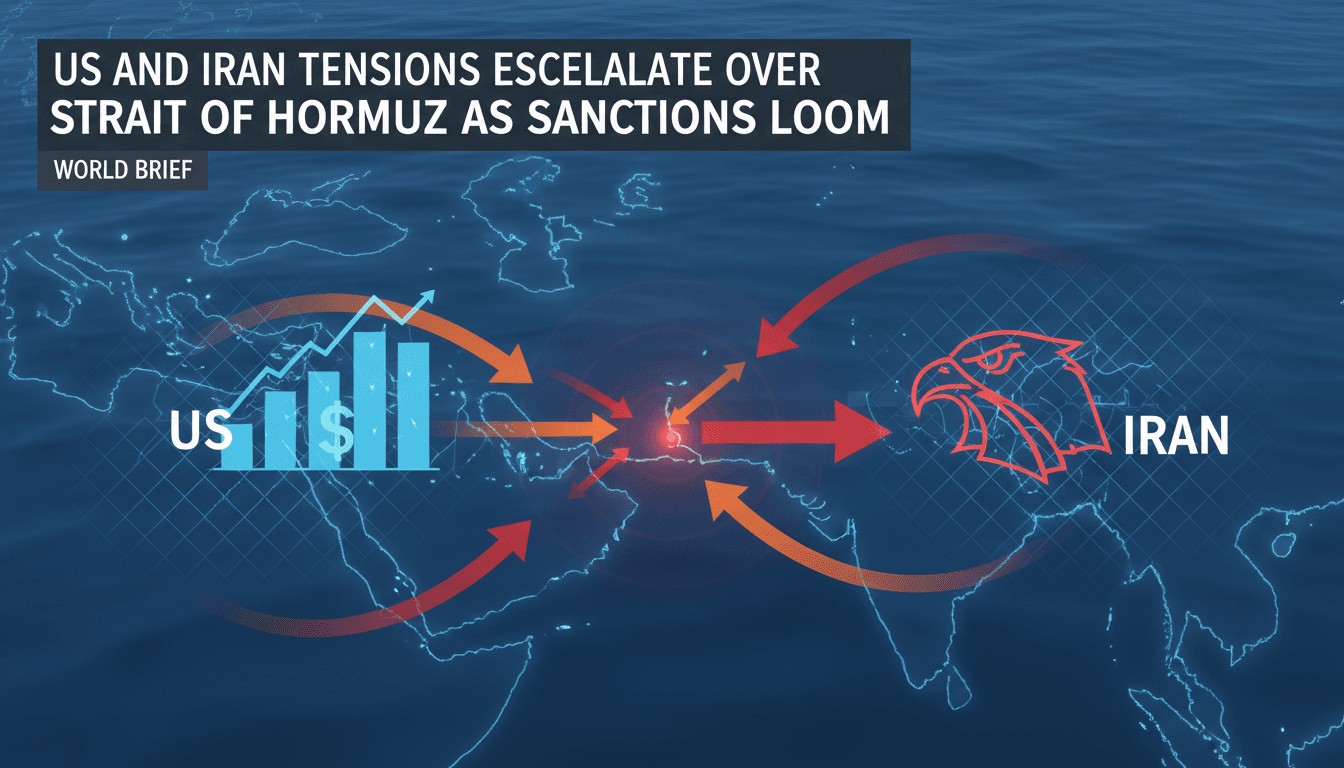
Here's what it means for you.
The escalating tensions between the U.S. and Iran could have significant implications for global oil markets and international trade. As the U.S. prepares to impose new sanctions, the potential for military confrontation increases, raising concerns among investors and policymakers alike. Stakeholders in the energy sector should closely monitor developments, as disruptions in the Strait of Hormuz could impact oil supply chains. The situation underscores the fragility of geopolitical stability in the region, which could lead to heightened volatility in oil prices. Companies reliant on oil imports may need to reassess their strategies in light of these developments.
What happened
Tensions between the United States and Iran have intensified as President Trump threatens to impose unprecedented economic measures against Iran. In response, Iran has declared the strategic Strait of Hormuz as part of its territory, rejecting U.S. claims. The U.S. is preparing to implement new economic sanctions, which could be enacted within days, further escalating the situation.
The Strait of Hormuz is a critical waterway for global oil transport, with approximately one-fifth of the world's oil supply passing through it. Iran's previous actions to restrict navigation in the Strait have already heightened regional tensions, making the current standoff particularly concerning.
The Context
The ongoing conflict between the U.S. and Iran has reached a new level of intensity, particularly regarding the Strait of Hormuz. Trump's administration is facing challenges in resuming negotiations with Iran, which complicates the diplomatic landscape. The assertion of control over the Strait by Iran signifies a rejection of U.S. influence in the region and raises the stakes for both nations.
As both countries prepare for further actions, the implications for international trade and security are significant. The potential for military responses from Iran to U.S. sanctions could lead to a broader conflict, affecting not only regional stability but also global economic conditions.
Takeaway
The situation is likely to worsen as both sides prepare for further confrontations. Observers should watch for potential military responses from Iran in reaction to U.S. sanctions, as well as international reactions to the escalating tensions. The long-term implications of this standoff could reshape the geopolitical landscape and impact global oil markets.
As the U.S. sanctions loom, the potential for conflict in the region remains high. Stakeholders must remain vigilant, as developments in this area could have far-reaching consequences for international trade and security.
Arabic-language coverage of international news and geopolitics.
"RT Arabic is a Russian state-funded outlet often criticized for promoting Kremlin-aligned narratives."
— A47 Editor
ترامب يتوعد إيران بإجراءات اقتصادية غير مسبوقة
U.S. President Donald Trump has pledged to escalate economic pressure on Iran, with Washington preparing to implement unprecedented measures against Tehran that may take effect within days.
Arabic-language coverage of Saudi, regional, and international affairs.
"Al Bilad offers mainstream Saudi newspaper coverage across domestic and broader Arab topics."
— A47 Editor
تصعيد حول «هرمز».. ترمب: إيران تحت الضغط والإجراءات الصارمة
The confrontation between the United States and Iran has escalated, coinciding with the nearing end of a ceasefire and stalled negotiations. The Strait of Hormuz has emerged as a central point of political, economic, and security conflict, with Presi...
Pan-Arab political news and analysis.
"Al-Quds Al-Arabi is a London-based Arabic newspaper known for political coverage."
— A47 Editor
إيران ترد على تهديد ترامب بإعلان مضيق هرمز أرضا أمريكية
Tehran responded on Saturday to U.S. President Donald Trump's remarks about declaring the Strait of Hormuz as part of U.S. territory, asserting that the vital waterway for energy transport will remain Iranian. Trump has repeatedly claimed that Iran e...