
Shipping through the Strait of Hormuz declines sharply after tanker attacks
Here's what it means for you.
The recent decline in shipping activity through the Strait of Hormuz signals heightened risks for global oil supply chains. With only five vessels transiting the strait over the weekend, down from 31 the previous week, stakeholders may need to reassess their logistics and supply strategies. The ongoing tensions between the U.S. and Iran complicate the situation further, potentially leading to increased shipping costs and delays. As the situation evolves, businesses reliant on oil imports should prepare for possible disruptions. The implications of these attacks extend beyond immediate shipping concerns, affecting market stability and energy prices.
What happened
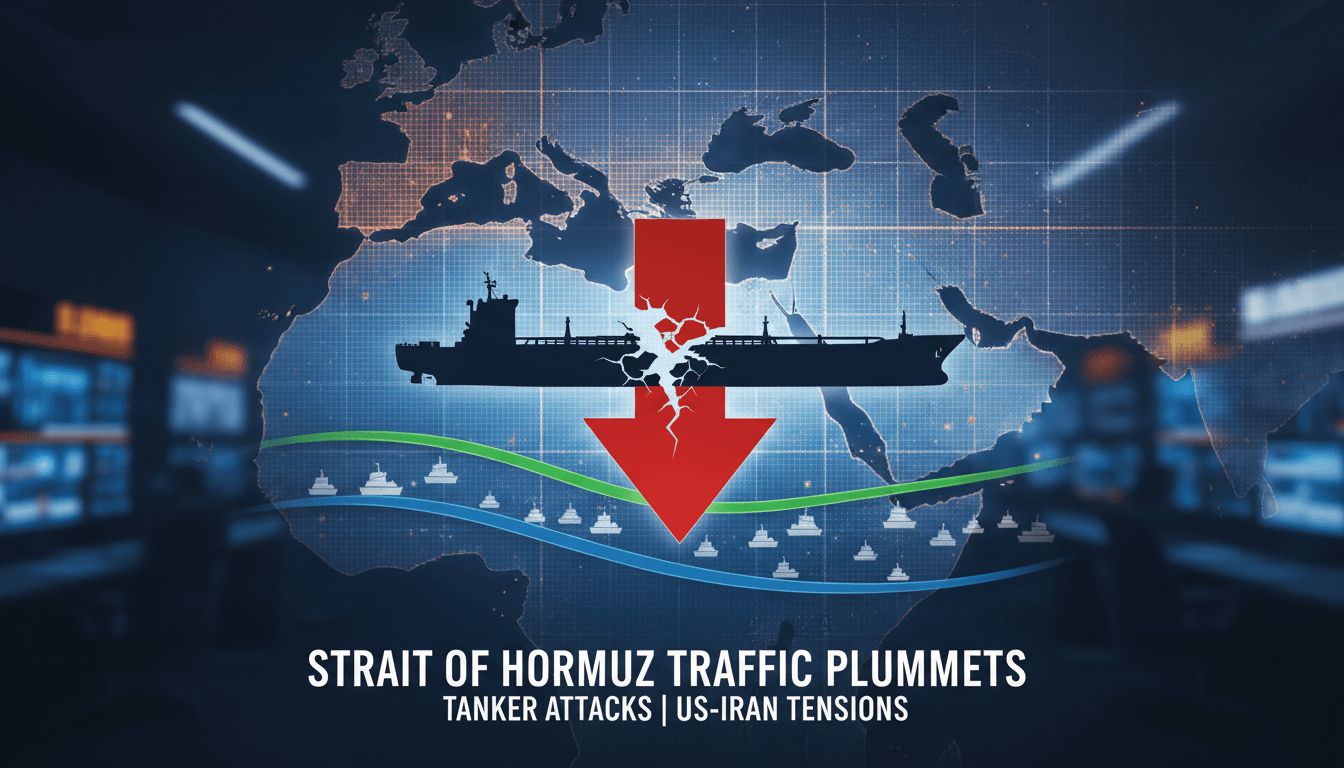
Shipping activity through the Strait of Hormuz experienced a dramatic slowdown following attacks on tankers over the weekend. On Saturday, only five commodity vessels transited the strait, a stark decrease from the 31 vessels that passed through the previous weekend. The situation worsened on Sunday, as no vessels were registered to transit the strait after the attacks.
This significant drop in shipping activity highlights the immediate impact of the attacks on maritime operations in the region. The data, sourced from shiptracking company Kpler, underscores the vulnerability of this critical chokepoint for global oil shipments.
The Context
The Strait of Hormuz is a vital passage for the transportation of oil, with a substantial percentage of the world's oil supply flowing through it. The recent attacks coincide with stalled U.S.-Iran negotiations aimed at addressing ongoing tensions in the Middle East. As diplomatic efforts falter, the potential for further escalations remains high, raising concerns among stakeholders in the shipping and energy sectors.
The implications of these developments are significant, as they may lead to long-term disruptions in global shipping routes. The situation not only affects oil supply security but also poses challenges for international trade and economic stability.
Takeaway
Looking ahead, the shipping industry must remain vigilant as tensions in the Middle East continue to evolve. Stakeholders should monitor the situation closely, as further disruptions could prompt a shift towards alternative shipping routes or measures to ensure maritime security. The potential escalation of tensions between the U.S. and Iran could have far-reaching consequences for global oil markets.
As the situation develops, it will be crucial to keep an eye on shipping traffic in the Strait of Hormuz for any further changes. The ongoing instability may lead to increased operational challenges for businesses reliant on this critical maritime corridor.
Regional coverage and analysis focused on politics, diplomacy, and business across the Middle East.
"Al-Monitor is known for analytical reporting on Middle East politics and policy developments."
— A47 Editor
Shipping slows through Strait of Hormuz after tanker attacks, data shows
<p>By Florence Tan</p><p>SINGAPORE, Aug 17 (Reuters) - Shipping through the Strait of Hormuz slowed over the weekend, data showed on Monday, following attacks on tankers, while U.S.-Iran talks to resolve the Middle East conflict stalled.</p><p>Five c...
Pan-Arab political news and analysis.
"Al-Quds Al-Arabi is a London-based Arabic newspaper known for political coverage."
— A47 Editor
تباطؤ حركة الشحن عبر مضيق هرمز عقب هجمات على ناقلات النفط
Shipping traffic through the Strait of Hormuz has slowed down following attacks on oil tankers, coinciding with stalled negotiations between the United States and Iran aimed at resolving the Middle Eastern conflict. Data from ship tracking company Ke...
Oil, metals, and agriculture: supply/demand headlines, OPEC chatter, inventories, and price action.
"Solid tape for energy and metals traders tracking macro and micro catalysts."
— A47 Editor
Shipping slows through Strait of Hormuz after tanker attacks, data shows
Shipping activity through the Strait of Hormuz has significantly slowed following recent tanker attacks, reflecting a broader decline in maritime traffic in this crucial oil transit route. This downturn is attributed to escalating military tensions b...