
Shipping traffic through the Strait of Hormuz declines sharply after tanker attacks
Here's what it means for you.
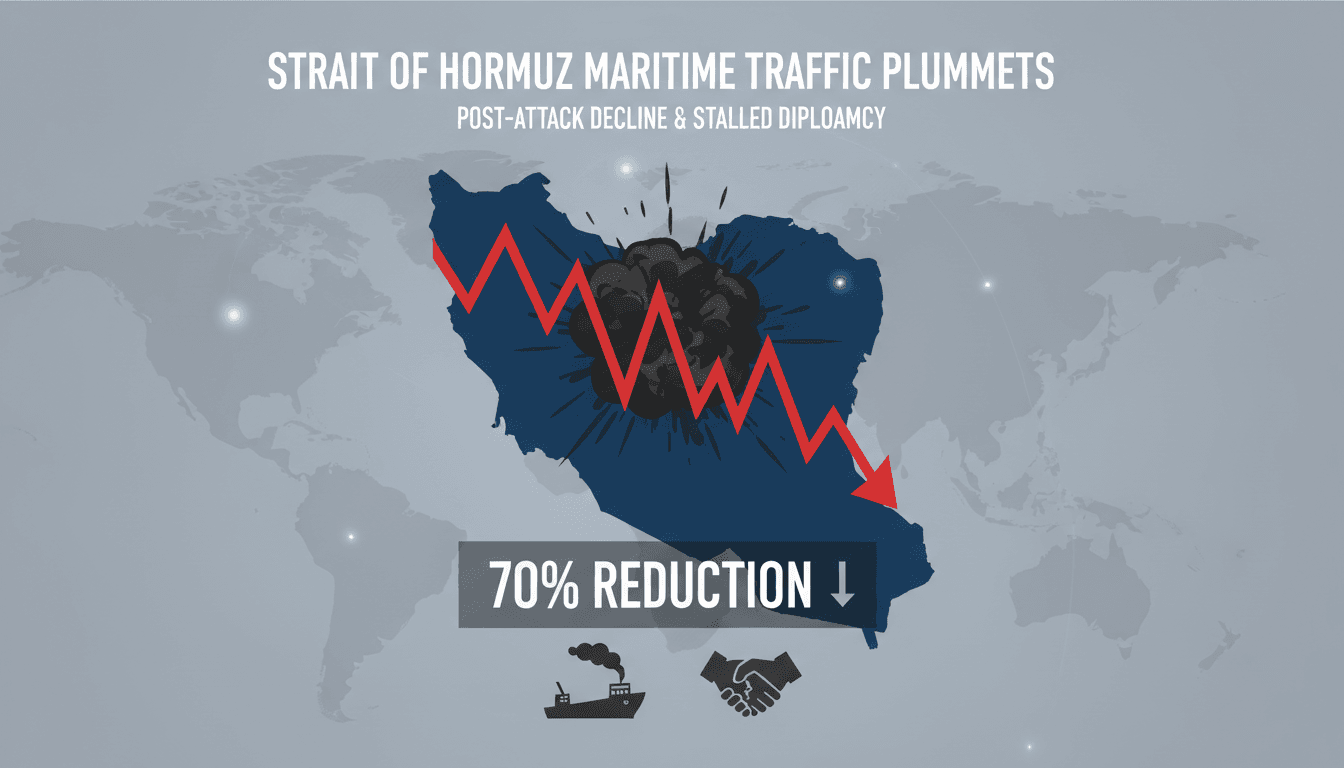
The recent decline in shipping traffic through the Strait of Hormuz signals heightened maritime security concerns, particularly for global oil markets. With only five vessels transiting the strait over the weekend, compared to 31 the previous weekend, the implications for trade routes are significant. Stakeholders in the shipping and energy sectors should prepare for potential disruptions as geopolitical tensions escalate. The stalled U.S.-Iran negotiations further complicate the situation, suggesting that diplomatic resolutions may be slow to materialize. This environment could lead to increased costs and risks for shipping companies operating in the region.
What happened
Shipping through the Strait of Hormuz has slowed dramatically following recent attacks on tankers. Over the weekend, only five commodity vessels transited the strait, with no vessels reported on Sunday. This sharp decline is notable when compared to the previous weekend, which saw 31 vessels making the journey.
The attacks have raised immediate concerns about maritime security in this critical global shipping route. The significant drop in vessel transits reflects the broader implications of these incidents on international trade and regional stability.
The Context
The Strait of Hormuz is a vital passage for global oil shipments, making any disruptions particularly impactful. The recent attacks occurred during a period of stalled U.S.-Iran negotiations aimed at addressing ongoing conflicts in the Middle East. As tensions rise, the shipping industry faces increased scrutiny and potential operational challenges.
The geopolitical landscape is complex, with multiple stakeholders involved, including regional powers and international shipping companies. The timing of these attacks coincides with a critical moment in diplomatic efforts, underscoring the fragile nature of security in the region.
Takeaway
As tensions in the region escalate, the shipping industry may face ongoing disruptions that could affect global oil prices and supply chains. Observers should monitor developments in U.S.-Iran negotiations closely, as any progress or setbacks will likely influence maritime security measures.
In the coming weeks, changes in shipping patterns and increased security protocols may emerge as stakeholders respond to the heightened risks. The international community will be watching for any signs of stabilization or further escalation in the region.
Pan-Arab news coverage spanning politics, business, sports, and regional affairs.
"Asharq Al-Awsat reflects a broad Arab editorial perspective with strong attention to regional geopolitics."
— A47 Editor
«هرمز» شبه متوقف... تراجع حاد في عبور السفن بعد هجمات الناقلات
Maritime traffic through the Strait of Hormuz has significantly slowed down over the weekend, following attacks targeting tankers, according to data released on Monday. This decline in vessel crossings raises concerns about the safety and security of...
Regional coverage and analysis focused on politics, diplomacy, and business across the Middle East.
"Al-Monitor is known for analytical reporting on Middle East politics and policy developments."
— A47 Editor
Shipping slows through Strait of Hormuz after tanker attacks, data shows
<p>By Florence Tan</p><p>SINGAPORE, Aug 17 (Reuters) - Shipping through the Strait of Hormuz slowed over the weekend, data showed on Monday, following attacks on tankers, while U.S.-Iran talks to resolve the Middle East conflict stalled.</p><p>Five c...
Pan-Arab political news and analysis.
"Al-Quds Al-Arabi is a London-based Arabic newspaper known for political coverage."
— A47 Editor
تباطؤ حركة الشحن عبر مضيق هرمز عقب هجمات على ناقلات النفط
Shipping traffic through the Strait of Hormuz has slowed down following attacks on oil tankers, coinciding with stalled negotiations between the United States and Iran aimed at resolving the Middle Eastern conflict. Data from ship tracking company Ke...
Oil, metals, and agriculture: supply/demand headlines, OPEC chatter, inventories, and price action.
"Solid tape for energy and metals traders tracking macro and micro catalysts."
— A47 Editor
Shipping slows through Strait of Hormuz after tanker attacks, data shows
Shipping activity through the Strait of Hormuz has significantly slowed following recent tanker attacks, reflecting a broader decline in maritime traffic in this crucial oil transit route. This downturn is attributed to escalating military tensions b...