
US Considers New Sanctions on Iran Targeting China's Oil Trade
Here's what it means for you.
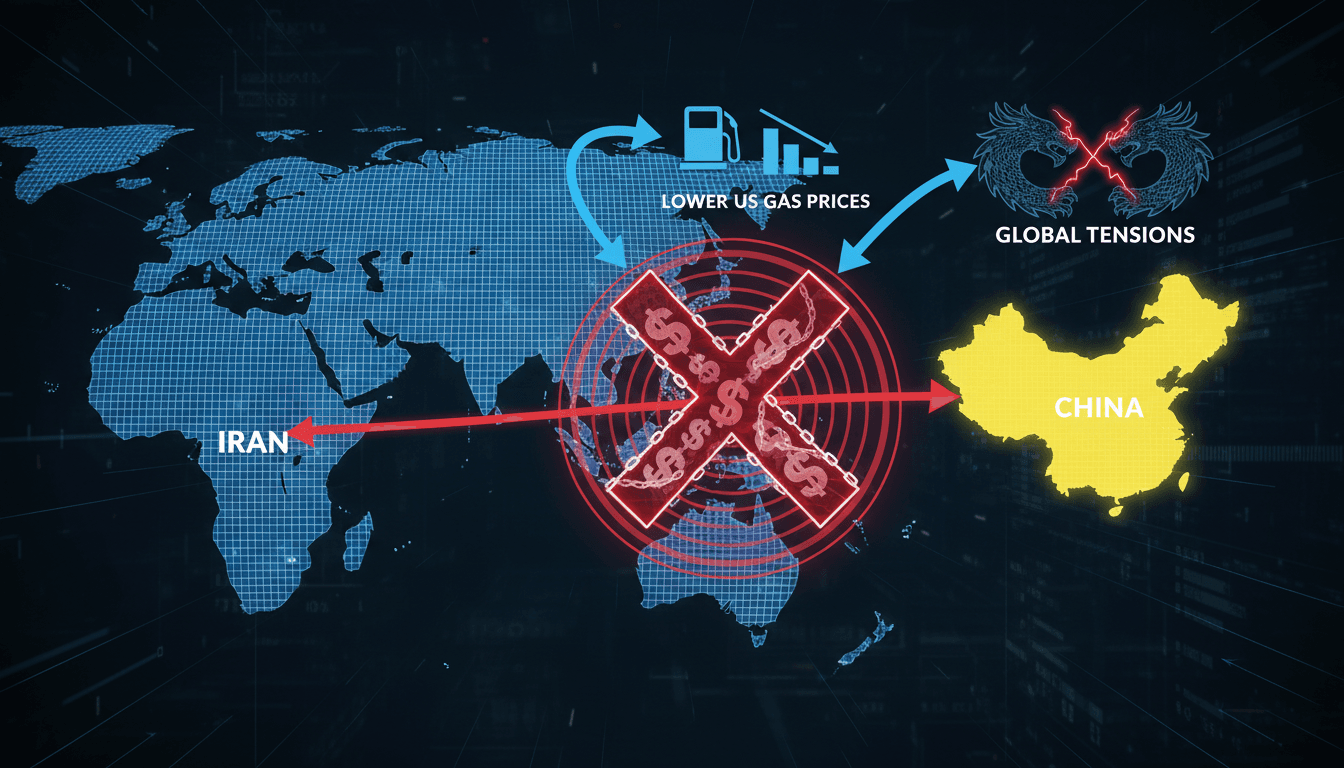
The potential new sanctions on Iran by the U.S. could have significant implications for global oil markets, particularly affecting China's oil imports. As independent Chinese refineries, known as "teapots," play a crucial role in processing Iranian oil, these sanctions may disrupt their operations and influence pricing dynamics. This situation could also escalate tensions between the U.S. and China, reshaping energy trade relationships. The ongoing naval blockade and rising gasoline prices in the U.S. are driving the urgency for these sanctions, highlighting the interconnectedness of international energy policies. Stakeholders in the oil market should closely monitor developments, as they may lead to shifts in supply chains and pricing strategies.
What happened
The U.S. is preparing to impose additional sanctions on Iran that could significantly impact China's oil purchases. These sanctions are particularly aimed at independent Chinese refineries, which are vital for absorbing Iranian oil. The ongoing naval blockade and expanded restrictions since the onset of the Iran war in February have further complicated the situation.
As China accounts for over 80% of Iran's shipped oil, the sanctions could disrupt a major portion of its oil imports. The Trump administration's considerations reflect a strategic move to alleviate pressure on U.S. gasoline prices amid the Strait of Hormuz blockade.
The Context
The U.S. has expanded restrictions and launched a naval blockade against Iran since February, following the onset of the Iran war. This geopolitical tension has significant implications for global oil flows, particularly as independent Chinese refineries, which account for 25% of China's refinery capacity, handle a substantial share of Iranian oil.
The sanctions are not only a response to the current crisis but also a strategic maneuver to influence global oil markets and U.S. domestic energy prices. The evolving landscape of U.S.-China relations in the energy sector is critical, as both nations navigate their respective economic interests.
Takeaway
The potential sanctions could reshape the dynamics of U.S.-China relations, particularly in the energy sector. Observers should watch for China's responses to these sanctions, as they may influence future trade agreements and energy policies. Additionally, the impact on global oil prices and supply chains will be significant, as the market adjusts to these new restrictions.
As the situation develops, stakeholders in the energy market must remain vigilant to understand the broader implications of these sanctions on international trade and pricing strategies.
Global business headlines with AI angles.
"General business outlet that frequently covers AI."
— A47 Editor
Trump Prepares New Economic Blows Against Iran. China Could Be Caught in the Crossfire.
The Trump administration is intensifying economic measures against Iran, implementing a naval blockade and expanding restrictions since the onset of the conflict in February. This strategy aims to isolate Iran economically as military options appear ...
Global markets, investing, and macroeconomics from a premier financial newsroom.
"Bloomberg is respected for in-depth financial reporting and data-driven analysis."
— A47 Editor
Iran Sanctions Could Put China Oil Trade in Focus
The Trump administration is contemplating additional sanctions on Iran, particularly targeting entities engaged in oil trade with the country, which could spotlight China's significant purchases of Iranian oil amid ongoing tensions in the Strait of H...