
US Data Centers Expected to Emit 101.5 Million Tons of CO2 Annually
Here's what it means for you.
The surge in data center construction could impact global climate initiatives and energy costs.
Why it matters
The projected emissions from these data centers could significantly hinder efforts to decarbonize the power sector.
What happened (in 30 seconds)
- On August 17, 2026, CNET reported that 60 major data centers in the US are set to emit 101.5 million tons of CO2 annually.
- This output is equivalent to the emissions of 24 million gas-powered vehicles or 27 coal power plants, representing about 7% of projected US power-sector emissions for 2025.
- The increase in emissions is driven by rising AI infrastructure demands and a political environment favoring fossil fuel expansion.
The context you actually need
- AI-driven demand for data centers has surged, reversing earlier expectations of a decarbonized grid.
- Big Tech companies like Amazon, Google, and Microsoft have seen significant emissions increases despite prior net-zero commitments.
- Utilities are responding by expanding fossil fuel infrastructure, prioritizing gas and coal over renewable energy sources.
What's really happening
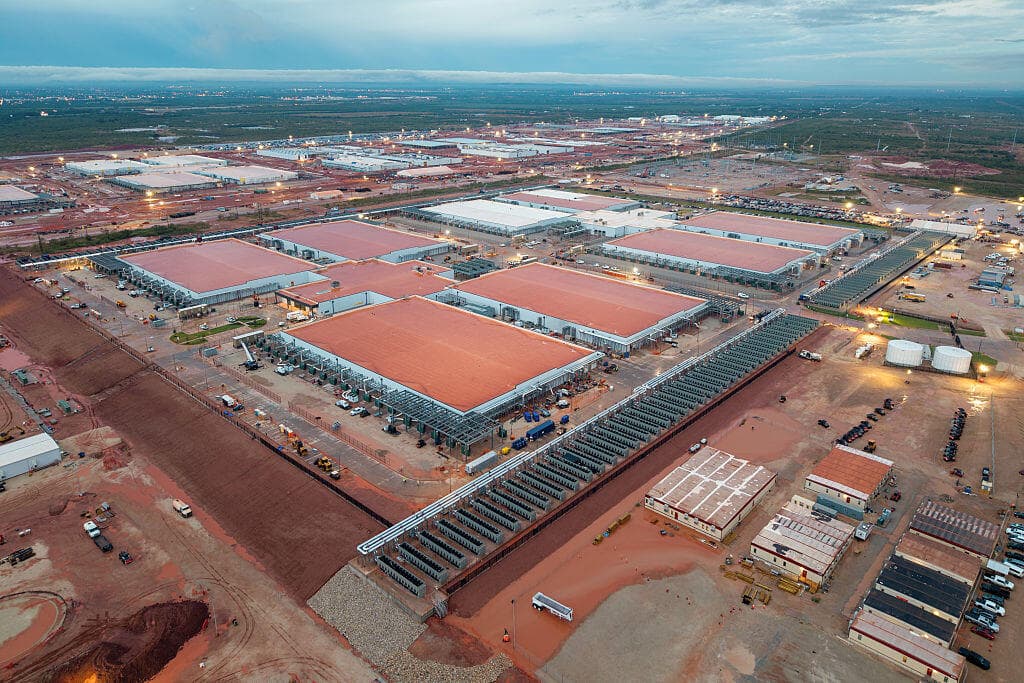
The rapid expansion of AI technologies has created an insatiable demand for data processing and storage, leading to the construction of large-scale data centers across the United States. These facilities, primarily operated by tech giants such as Amazon, Google, Meta, and Microsoft, are projected to emit 101.5 million tons of carbon dioxide annually once fully operational. This figure is staggering, equating to the emissions produced by 24 million gas-powered vehicles or 27 coal power plants, and represents approximately 7% of the expected emissions from the US power sector in 2025.
The situation is exacerbated by a political climate that has rolled back many climate regulations and incentives for clean energy, particularly during the Trump administration. As a result, utilities are increasingly turning to fossil fuels to meet the growing energy demands of these data centers. In fact, many utilities have tripled their planned gas-fired capacity and delayed the retirement of coal plants to accommodate this surge in demand. This shift not only undermines previous commitments to reduce carbon emissions but also raises concerns about the long-term viability of renewable energy sources.
Local communities are feeling the impact as well, with increased activism against new data center projects. Residents are rallying for moratoriums, citing environmental concerns and resource strains. The reliance on renewable energy credits has grown among tech firms, but this is often seen as a temporary fix rather than a sustainable solution. The profitability pressures faced by these companies may limit their ability to invest in long-term offsets for their emissions.
As the construction of these data centers continues, the implications for climate change and energy policy are profound. The intersection of AI demand, corporate climate commitments, and political decisions creates a complex landscape that could hinder progress toward a sustainable energy future.
Who feels it first (and how)
- Local communities near data center construction sites facing environmental degradation.
- Utility companies that must adapt to increased energy demands and infrastructure changes.
- Tech industry stakeholders who may face reputational risks and regulatory scrutiny.
What to watch next
- Local activism: Increased community opposition could lead to delays or cancellations of planned data centers.
- Utility responses: Watch for shifts in energy sourcing strategies as companies balance fossil fuel and renewable investments.
- Federal policy changes: Any new climate regulations or incentives could reshape the operational landscape for data centers.
Planned data centers will emit significant CO2, impacting climate goals.
Continued reliance on fossil fuels by utilities to meet data center energy demands.
The long-term effectiveness of renewable energy credits in offsetting emissions.
Frequently Asked Questions
- Why it matters?
- The projected emissions from these data centers could significantly hinder efforts to decarbonize the power sector.
- What happened (in 30 seconds)?
- On August 17, 2026, CNET reported that 60 major data centers in the US are set to emit 101.5 million tons of CO2 annually. This output is equivalent to the emissions of 24 million gas-powered vehicles or 27 coal power plants, representing about 7% of projected US power-sector emissions for 2025. The increase in emissions is driven by rising AI infrastructure demands and a political environment favoring fossil fuel expansion.
- What's really happening?
- The rapid expansion of AI technologies has created an insatiable demand for data processing and storage, leading to the construction of large-scale data centers across the United States. These facilities, primarily operated by tech giants such as Amazon, Google, Meta, and Microsoft, are projected to emit 101.5 million tons of carbon dioxide annually once fully operational. This figure is staggering, equating to the emissions produced by 24 million gas-powered vehicles or 27 coal power plants, an
- Who feels it first (and how)?
- Local communities near data center construction sites facing environmental degradation. Utility companies that must adapt to increased energy demands and infrastructure changes. Tech industry stakeholders who may face reputational risks and regulatory scrutiny.
- What to watch next?
- Local activism: Increased community opposition could lead to delays or cancellations of planned data centers. Utility responses: Watch for shifts in energy sourcing strategies as companies balance fossil fuel and renewable investments. Federal policy changes: Any new climate regulations or incentives could reshape the operational landscape for data centers.
Corporate leadership, finance, technology, and market trends.
"Fortune covers financial trends, leadership, and innovation with a pragmatic editorial approach."
— A47 Editor
Data center gas plants to boost U.S. power emissions by 20%
The U.S. is facing a potential increase in power emissions by 20% due to the proposed construction of 99 gas plants intended to power AI data centers, with major tech companies like Amazon and Microsoft among the developers.
Technology business news, market impacts, and innovation trends.
"Bloomberg is a premier financial and tech news provider, respected for its in-depth reporting and analytical rigor."
— A47 Editor
Data Center Gas Plants to Boost US Power Emissions by 20%
Data center developers are turning to bespoke natural-gas power plants, a development that promises to dramatically increase carbon emissions and make it harder for US technology companies to meet their lofty climate goals.
Latest tech news, product reviews, and analysis for consumers and professionals.
"CNET delivers accessible and detailed technology reporting, including trusted product reviews and how-to guides."
— A47 Editor
Planned US Data Centers Set to Produce 24M Cars’ Worth Of Carbon Dioxide
Planned data centers in the U.S. are projected to generate carbon dioxide emissions equivalent to that produced by 24 million cars, highlighting a significant clash between Big Tech's climate commitments and the energy demands of artificial intellige...
Editor-curated FT homepage stories spanning markets, business, world, and opinion.
"The Financial Times is a globally respected business publication with a centrist/center-left tone and strong markets focus."
— A47 Editor
Big Tech’s data centre boom poised to drive up carbon emissions
A recent analysis by the Financial Times reveals that the 60 largest planned data centers by Big Tech companies are projected to emit carbon emissions equivalent to that of 27 coal plants or 24 million cars annually. This surge in emissions raises si...