
US Implements Historic Sanctions Against Iran and Calls for Global Support
Why it matters
The intensified sanctions could reshape global oil markets and impact energy prices, affecting consumers and businesses worldwide.
What happened (in 30 seconds)
- On August 21, 2026, the US announced the toughest sanctions in history against Iran, targeting its oil revenues and proxy networks.
- Hezbollah was designated as an Iranian proxy, with new sanctions imposed on individuals linked to its funding.
- China rejected the sanctions, advocating for diplomatic solutions, complicating international cooperation.
The context you actually need
- The US-Iran conflict has escalated since February 2026, with military actions and economic pressures intensifying.
- Iran's oil exports remain heavily reliant on China, which purchased over 80% of Iran's shipped oil in 2025, complicating sanctions' effectiveness.
- Regional instability has led to rising oil and gold prices, reflecting market uncertainty and potential economic repercussions for Gulf nations.
What's really happening
The US's recent sanctions against Iran and Hezbollah represent a strategic pivot in its approach to regional conflicts, particularly in the context of the ongoing US-Israel-Iran military engagements. The sanctions are designed as a "one-two punch," combining economic pressure with a naval blockade aimed at disrupting Iran's oil exports, which are crucial for its economy. By targeting Iran's oil revenues, the US hopes to cripple its financial capabilities and reduce its influence in the region, particularly through proxy groups like Hezbollah.
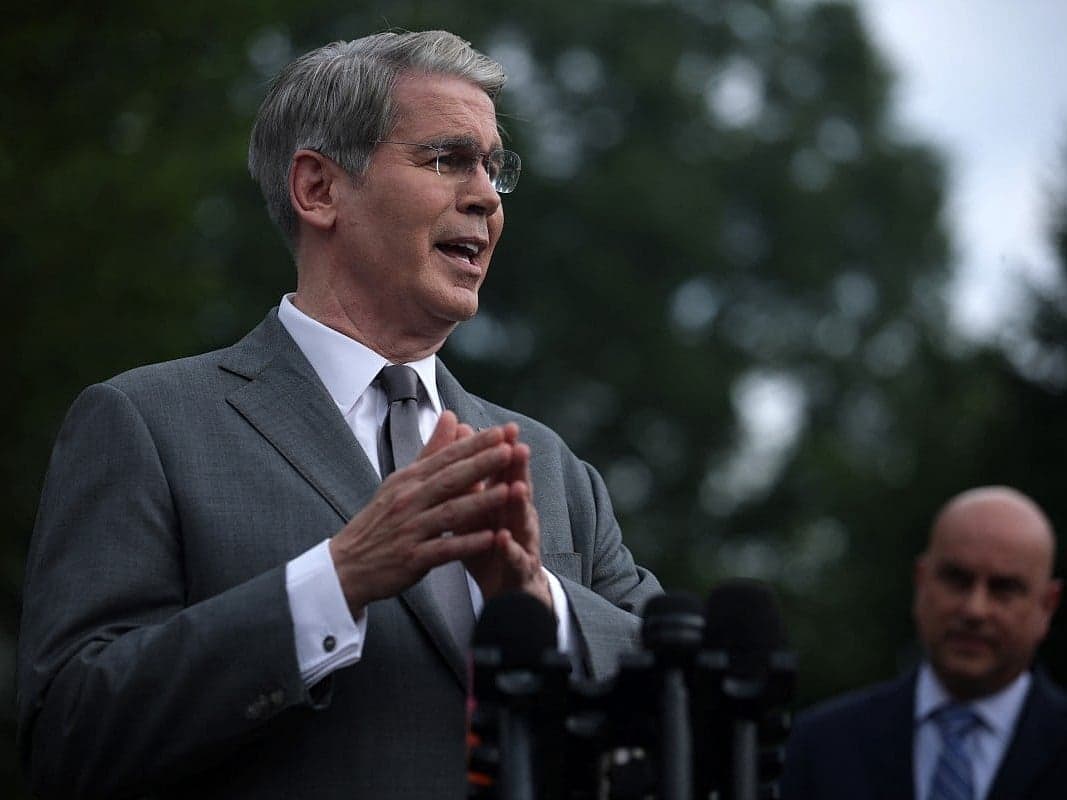
The US Treasury Secretary Scott Bessent emphasized that these sanctions would be the "most crushing economic operation ever taken against any country," indicating a significant escalation in the US's economic warfare strategy. This approach seeks to isolate Iran economically while minimizing the risk of direct military confrontation, a delicate balance that reflects the complexities of modern geopolitical conflicts.
However, the effectiveness of these sanctions is complicated by Iran's existing trade relationships, particularly with China. With more than 80% of Iran's oil being purchased by China, the US's efforts to isolate Iran economically may face significant hurdles. China's rejection of the sanctions and its call for diplomatic solutions highlight the challenges the US faces in garnering international support for its campaign against Iran.
Moreover, the sanctions come at a time of heightened regional tensions, including threats to navigation in the Strait of Hormuz and recent incidents involving seized tankers. These developments not only affect oil prices but also create a ripple effect in global markets, leading to increased volatility in energy costs and investment climates.
As the US implements these sanctions, the broader implications for global trade and energy markets will unfold, potentially reshaping alliances and economic relationships in the Middle East and beyond.
Who feels it first (and how)
- Energy sector professionals: Increased volatility in oil prices may impact profitability and operational costs.
- Consumers in Gulf countries: Rising energy prices could lead to higher costs of living and inflation.
- International businesses: Companies reliant on stable oil prices may face increased operational risks and costs.
- Investors: Market uncertainty may lead to shifts in investment strategies, particularly in energy and commodities.
What to watch next
- Oil price fluctuations: Monitor Brent crude prices as they may rise due to supply chain disruptions and geopolitical tensions.
- China's diplomatic moves: Watch for China's response to US sanctions and its efforts to mediate between Iran and the US.
- Regional military developments: Keep an eye on any escalations in military actions in the Middle East that could further impact global markets.
The US has imposed the toughest sanctions in history against Iran and Hezbollah.
Oil prices will continue to rise amid regional instability and sanctions.
The long-term effectiveness of these sanctions on Iran's economy and its geopolitical influence.
Frequently Asked Questions
- Why it matters?
- The intensified sanctions could reshape global oil markets and impact energy prices, affecting consumers and businesses worldwide.
- What happened (in 30 seconds)?
- On August 21, 2026, the US announced the toughest sanctions in history against Iran, targeting its oil revenues and proxy networks. Hezbollah was designated as an Iranian proxy, with new sanctions imposed on individuals linked to its funding. China rejected the sanctions, advocating for diplomatic solutions, complicating international cooperation.
- What's really happening?
- The US's recent sanctions against Iran and Hezbollah represent a strategic pivot in its approach to regional conflicts, particularly in the context of the ongoing US-Israel-Iran military engagements. The sanctions are designed as a "one-two punch," combining economic pressure with a naval blockade aimed at disrupting Iran's oil exports, which are crucial for its economy. By targeting Iran's oil revenues, the US hopes to cripple its financial capabilities and reduce its influence in the region, p
- Who feels it first (and how)?
- Energy sector professionals: Increased volatility in oil prices may impact profitability and operational costs. Consumers in Gulf countries: Rising energy prices could lead to higher costs of living and inflation. International businesses: Companies reliant on stable oil prices may face increased operational risks and costs. Investors: Market uncertainty may lead to shifts in investment strategies, particularly in energy and commodities.
- What to watch next?
- Oil price fluctuations: Monitor Brent crude prices as they may rise due to supply chain disruptions and geopolitical tensions. China's diplomatic moves: Watch for China's response to US sanctions and its efforts to mediate between Iran and the US. Regional military developments: Keep an eye on any escalations in military actions in the Middle East that could further impact global markets.
Regional and international reporting focused on Middle Eastern politics, diplomacy, and economics.
"Asharq Al-Awsat is a Saudi-owned international newspaper reflecting mainstream Gulf political perspectives."
— A47 Editor
New US Sanctions Tighten Grip on Hezbollah, Test Lebanon
The United States has imposed new sanctions on Hezbollah, designating the group as an Iranian proxy and targeting its funding networks. This action reflects ongoing concerns regarding Hezbollah's financial operations and its close ties to Iran, parti...
UAE-based newspaper covering Gulf politics, society, and international developments.
"Gulf News is one of the UAE’s most prominent English-language publications."
— A47 Editor
US vows toughest Iran pressure, urges China support; sanctions Hezbollah
The United States has announced plans to impose the toughest sanctions in history on Iran, with Treasury Secretary Scott Bessent urging China to support these measures. This decision comes amid escalating tensions and aims to isolate Iran economicall...
A curated Gulf News feed featuring major stories across news, business, opinion, and lifestyle.
"Gulf News is a major UAE newspaper whose featured stories feed reflects a broad editorial mix shaped for a Gulf audience."
— A47 Editor
US vows toughest Iran pressure, urges China support; sanctions Hezbollah
The United States has announced plans to impose the toughest sanctions in history on Iran, with Treasury Secretary Scott Bessent urging China to support these measures. This decision comes amid escalating tensions and aims to isolate Iran economicall...
UAE-based newspaper covering Gulf politics, society, and international developments.
"Gulf News is one of the UAE’s most prominent English-language publications."
— A47 Editor
US sanctions 10 individuals for 'transferring cash' to Hezbollah
The United States has imposed sanctions on 10 individuals for allegedly transferring cash to Hezbollah, reflecting ongoing concerns about the group's financial operations and its ties to Iran. This action is part of a broader strategy to curb Hezboll...
A curated Gulf News feed featuring major stories across news, business, opinion, and lifestyle.
"Gulf News is a major UAE newspaper whose featured stories feed reflects a broad editorial mix shaped for a Gulf audience."
— A47 Editor
US sanctions 10 individuals for 'transferring cash' to Hezbollah
The United States has imposed sanctions on 10 individuals for allegedly transferring cash to Hezbollah, reflecting ongoing concerns about the group's financial operations and its ties to Iran. This action is part of a broader strategy to curb Hezboll...