
Panama Canal Authority to Cut Daily Vessel Transits Due to El Niño Drought
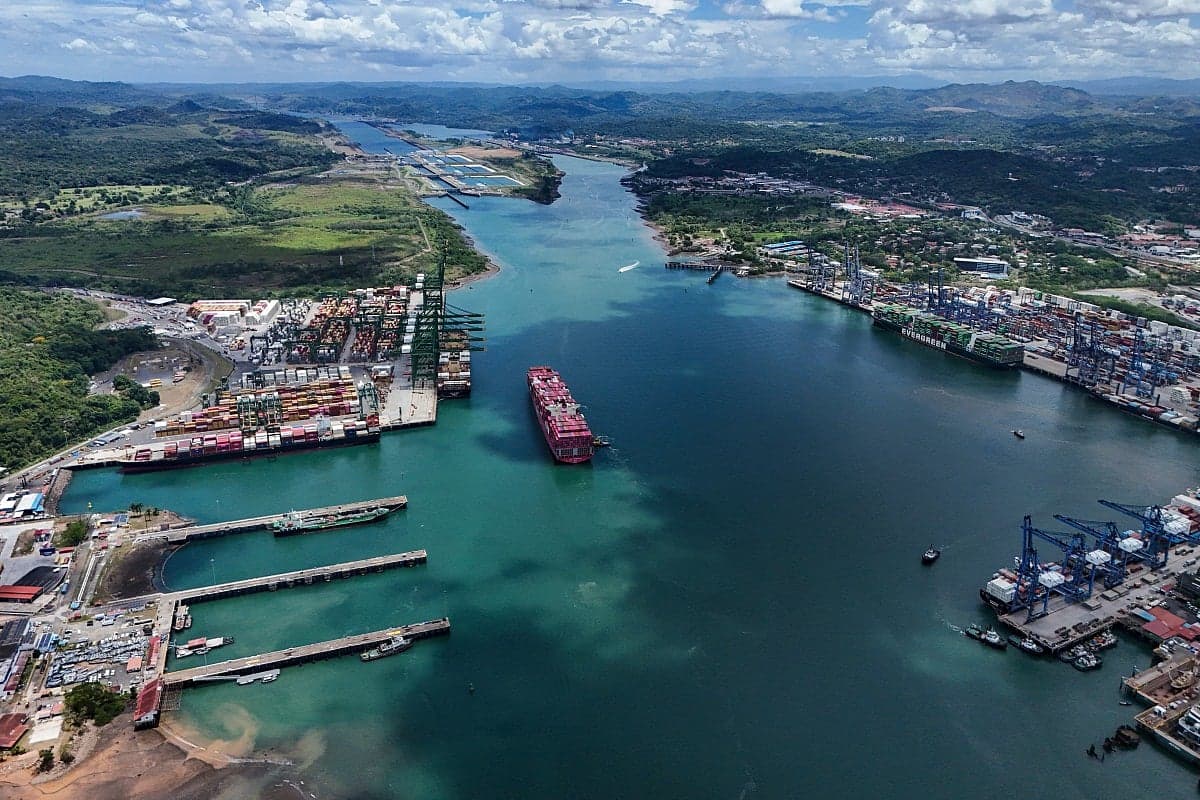
Why it matters
The Panama Canal is a critical artery for global trade, handling 5% of maritime traffic and significantly impacting shipping costs and timelines.
What happened (in 30 seconds)
- On August 21, 2026, the Panama Canal Authority announced a reduction in daily vessel transits due to drought conditions exacerbated by El Niño.
- Starting September 3, the number of ships allowed through the canal will decrease from 36 to 34, with a further reduction to 32 from September 15.
- This decision aims to ensure the long-term sustainability of the canal's water supply, which is heavily reliant on rainfall.
The context you actually need
- The Panama Canal relies on rainwater collected in two artificial lakes, making it vulnerable to climate variations like El Niño, which historically reduces rainfall in Central America.
- Previous El Niño events in 1997-98 and 2015-16 have similarly impacted operations, leading to shipping disruptions and rerouting.
- Current drought conditions have prompted regional alerts, with Honduras declaring 80% of its territory under drought alert just days before the announcement.
What's really happening
The Panama Canal Authority's decision to reduce vessel transits is a direct response to significantly lower-than-expected rainfall in the region. From May to August 2026, rainfall totals were reported to be 34% below historical averages, a concerning trend that has prompted the authority to take action to preserve the water levels necessary for canal operations. The canal's lock-and-lake system is entirely dependent on rainwater, making it particularly susceptible to climate phenomena like El Niño, which can alter weather patterns and lead to prolonged droughts.
This current El Niño event is one of the stronger occurrences on record, and its effects are already being felt across Central America. The Panama Canal handles about 5% of global maritime trade and 40% of U.S. container traffic, meaning that any operational changes can ripple through global supply chains. The authority's proactive measures, including the reduction of daily transits and the implementation of maximum draft limits for large vessels, are aimed at ensuring the canal's long-term viability amid these challenging conditions.
Shipping companies are already responding to these restrictions by implementing surcharges, which will likely increase costs for consumers and businesses relying on goods transported through the canal. The Mediterranean Shipping Company, for example, has announced a fee increase due to the new draft restrictions. This trend of rising costs and potential delays is expected to affect various sectors, particularly those dependent on timely deliveries of goods.
Historically, when faced with similar restrictions, shipping companies have rerouted vessels to alternative paths, which can lead to longer transit times and increased shipping costs. The implications of these changes extend beyond just the immediate shipping industry; they can affect prices for consumer goods and commodities, particularly in regions like Dubai, where many importers and exporters rely on the canal for trade routes connecting Asia and the U.S. or Europe.
Who feels it first (and how)
- Shipping companies: Facing increased operational costs and the need to adjust routes.
- Importers and exporters: Particularly those in Dubai, who may experience elevated shipping surcharges and delays.
- Consumers: Likely to see increased prices for goods as shipping costs rise.
- Agricultural sectors: Exporters of perishable goods may face significant challenges in timely deliveries.
What to watch next
- Shipping surcharges: Monitor how shipping companies adjust their fees in response to transit reductions and draft limits.
- Global supply chain shifts: Watch for rerouting trends as companies seek alternative shipping paths to mitigate delays.
- Weather patterns: Keep an eye on rainfall forecasts in Central America, as continued drought could lead to further restrictions.
The Panama Canal is reducing daily vessel transits due to drought conditions.
Shipping costs will increase, impacting consumer prices and supply chains.
The long-term effects of these restrictions on global trade patterns and shipping routes.
Frequently Asked Questions
- Why it matters?
- The Panama Canal is a critical artery for global trade, handling 5% of maritime traffic and significantly impacting shipping costs and timelines.
- What happened (in 30 seconds)?
- On August 21, 2026, the Panama Canal Authority announced a reduction in daily vessel transits due to drought conditions exacerbated by El Niño. Starting September 3, the number of ships allowed through the canal will decrease from 36 to 34, with a further reduction to 32 from September 15. This decision aims to ensure the long-term sustainability of the canal's water supply, which is heavily reliant on rainfall.
- What's really happening?
- The Panama Canal Authority's decision to reduce vessel transits is a direct response to significantly lower-than-expected rainfall in the region. From May to August 2026, rainfall totals were reported to be 34% below historical averages, a concerning trend that has prompted the authority to take action to preserve the water levels necessary for canal operations. The canal's lock-and-lake system is entirely dependent on rainwater, making it particularly susceptible to climate phenomena like El Ni
- Who feels it first (and how)?
- Shipping companies: Facing increased operational costs and the need to adjust routes. Importers and exporters: Particularly those in Dubai, who may experience elevated shipping surcharges and delays. Consumers: Likely to see increased prices for goods as shipping costs rise. Agricultural sectors: Exporters of perishable goods may face significant challenges in timely deliveries.
- What to watch next?
- Shipping surcharges: Monitor how shipping companies adjust their fees in response to transit reductions and draft limits. Global supply chain shifts: Watch for rerouting trends as companies seek alternative shipping paths to mitigate delays. Weather patterns: Keep an eye on rainfall forecasts in Central America, as continued drought could lead to further restrictions.
Comprehensive coverage of Middle Eastern and global issues.
"Al Jazeera is a prominent voice from the Global South, especially the Middle East, with an emphasis on underreported stories."
— A47 Editor
Panama Canal to reduce shipping as ‘extreme’ El Nino approaches
The Panama Canal has announced a reduction in daily vessel transits from 40 to 32, effective September 15, due to the anticipated impacts of the extreme El Niño weather phenomenon, which is expected to cause significant water level reductions. This d...
UAE-based newspaper covering Gulf politics, society, and international developments.
"Gulf News is one of the UAE’s most prominent English-language publications."
— A47 Editor
Panama Canal to reduce shipping over El Nino-fueled drought
The Panama Canal operator has announced a reduction in shipping traffic due to a drought exacerbated by the El Niño phenomenon, which is expected to have significant impacts on global shipping routes. This decision reflects the ongoing challenges fac...
A curated Gulf News feed featuring major stories across news, business, opinion, and lifestyle.
"Gulf News is a major UAE newspaper whose featured stories feed reflects a broad editorial mix shaped for a Gulf audience."
— A47 Editor
Panama Canal to reduce shipping over El Nino-fueled drought
The Panama Canal operator has announced a reduction in shipping traffic due to a drought exacerbated by the El Niño phenomenon, which is expected to have significant impacts on global shipping routes. This decision reflects the ongoing challenges fac...
International coverage of politics, security, and social issues.
"Global News is a mainstream Canadian outlet with a centrist editorial stance, focusing on factual reporting."
— A47 Editor
Panama Canal will cap daily transits as El Nino set to reduce water levels
The Panama Canal has announced a cap on daily vessel transits, limiting the number to 34 starting September 4, and further reducing it to 32 from September 15, due to anticipated water level reductions linked to the El Niño weather phenomenon.