
US Threatens Unprecedented Sanctions Against Iran Amid Ongoing Conflict
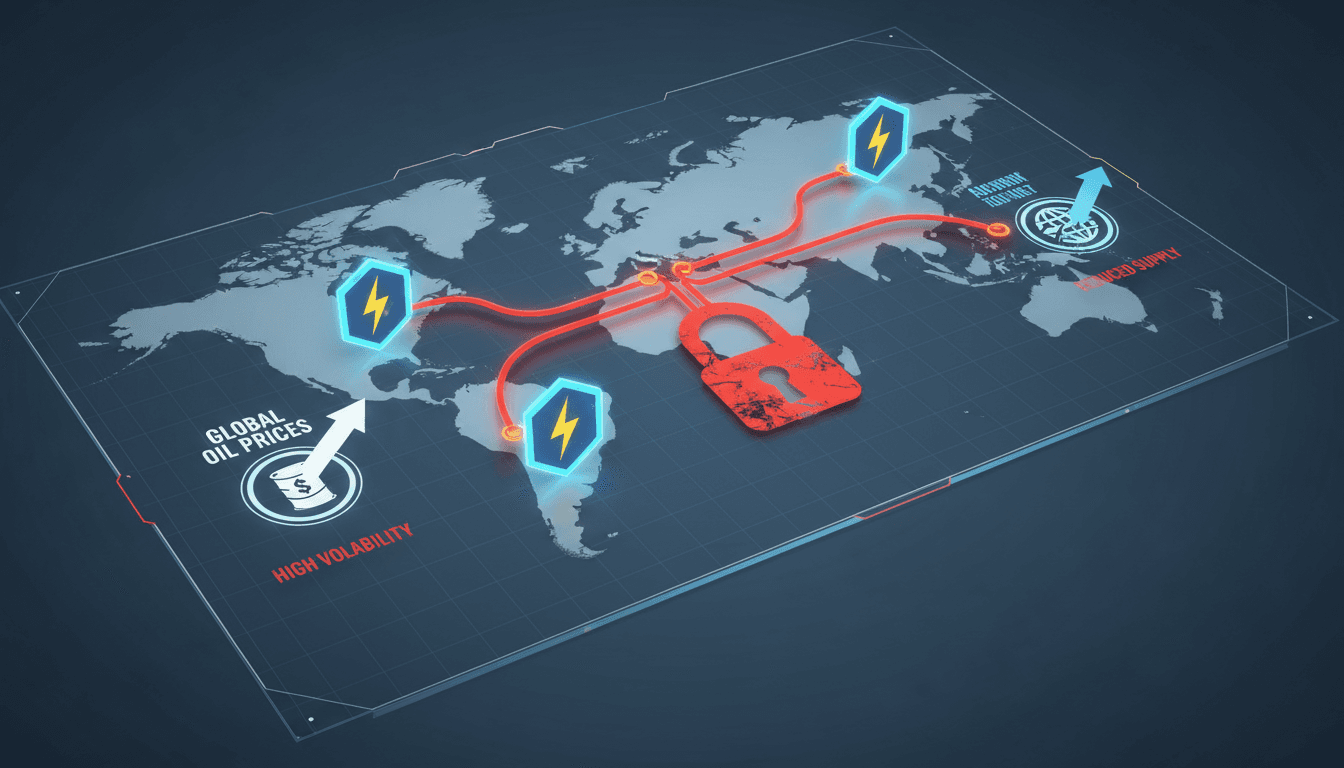
Here's what it means for you.
If you’re in the Gulf region, prepare for potential economic instability and oil price fluctuations.
Why it matters
The US's intensified sanctions threaten to disrupt global oil markets and regional economic stability.
What happened (in 30 seconds)
- On August 24, 2026, the US announced plans for unprecedented sanctions against Iran amid ongoing military conflict.
- President Trump and Treasury Secretary Bessent warned of severe consequences for nations supporting Iran, marking a significant escalation in economic warfare.
- Iran vowed retaliation, threatening to halt all Gulf oil exports, which could impact global oil supply chains.
The context you actually need
- Diplomatic efforts have stalled since the US-Israel war on Iran began on February 28, 2026, leading to increased military and economic pressure.
- China is a key player, purchasing 80% of Iran's shipped oil in 2025, making it a target for US sanctions.
- Regional tensions are rising, with the UAE imposing trade embargoes on Iran, further complicating the economic landscape in the Gulf.
What's really happening
The US's latest sanctions threat, dubbed "Economic D-Day," represents a strategic pivot from military options to economic isolation tactics. This shift is rooted in the belief that crippling Iran's economy will force it to the negotiating table. The Trump administration's approach, characterized by "Operation Economic Fury," aims to leverage existing naval blockades and sanctions to cut off Iran's oil exports and financial networks.
The sanctions package is expected to target not only Iranian entities but also foreign businesses and financial institutions that engage with Iran. This extraterritorial reach is designed to create a chilling effect on global trade with Iran, compelling countries to choose between economic ties with the US or Iran. The stakes are high; nations that defy these sanctions could face severe economic repercussions, including loss of access to US markets and financial systems.
Iran's response has been equally aggressive, with officials warning of retaliation against countries that comply with US sanctions. This tit-for-tat dynamic raises the risk of escalating conflict in the region, particularly in the Strait of Hormuz, a critical chokepoint for global oil shipments. The Iranian government has already indicated that it may halt all oil exports from the Gulf, a move that would send shockwaves through global oil markets and could lead to significant price increases.
The economic implications of these sanctions are profound. Iran's economy is already under strain from existing sanctions, and the new measures could push it into a deeper recession. The Iranian rial has already reached record lows against the dollar, reflecting market fears about the country's economic stability. For Gulf states, particularly the UAE, the situation is precarious. While they have partially aligned with US measures, there are concerns about Iranian retaliation and the potential for regional instability.
As the situation unfolds, the interconnectedness of global markets means that the repercussions of these sanctions will likely be felt far beyond the Middle East. Investors and businesses worldwide should brace for volatility in oil prices and potential disruptions in trade.
Who feels it first (and how)
- Oil traders: Expect immediate impacts on oil prices due to supply chain disruptions.
- Gulf states: Countries like the UAE may face economic uncertainty and trade disruptions.
- Financial institutions: Banks and businesses with ties to Iran could experience significant operational challenges.
- Consumers: Rising oil prices may lead to increased costs for goods and services globally.
What to watch next
- Details of the sanctions package: The specifics announced on August 25, 2026, will clarify the extent of the economic measures and their potential impact.
- Iran's response: Monitor Iran's actions regarding oil exports and any retaliatory measures against compliant nations.
- Global oil prices: Watch for fluctuations in oil prices as markets react to the evolving situation and potential supply disruptions.
The US plans to impose unprecedented sanctions targeting Iran's economy.
Iran will retaliate against countries supporting US sanctions, potentially disrupting oil exports.
The full extent of the sanctions' impact on global oil markets and regional stability remains to be seen.
Frequently Asked Questions
- Why it matters?
- The US's intensified sanctions threaten to disrupt global oil markets and regional economic stability.
- What happened (in 30 seconds)?
- On August 24, 2026, the US announced plans for unprecedented sanctions against Iran amid ongoing military conflict. President Trump and Treasury Secretary Bessent warned of severe consequences for nations supporting Iran, marking a significant escalation in economic warfare. Iran vowed retaliation, threatening to halt all Gulf oil exports, which could impact global oil supply chains.
- What's really happening?
- The US's latest sanctions threat, dubbed "Economic D-Day," represents a strategic pivot from military options to economic isolation tactics. This shift is rooted in the belief that crippling Iran's economy will force it to the negotiating table. The Trump administration's approach, characterized by "Operation Economic Fury," aims to leverage existing naval blockades and sanctions to cut off Iran's oil exports and financial networks. The sanctions package is expected to target not only Iranian
- Who feels it first (and how)?
- Oil traders: Expect immediate impacts on oil prices due to supply chain disruptions. Gulf states: Countries like the UAE may face economic uncertainty and trade disruptions. Financial institutions: Banks and businesses with ties to Iran could experience significant operational challenges. Consumers: Rising oil prices may lead to increased costs for goods and services globally.
- What to watch next?
- Details of the sanctions package: The specifics announced on August 25, 2026, will clarify the extent of the economic measures and their potential impact. Iran's response: Monitor Iran's actions regarding oil exports and any retaliatory measures against compliant nations. Global oil prices: Watch for fluctuations in oil prices as markets react to the evolving situation and potential supply disruptions.
Global news coverage with extensive reporting on Middle Eastern conflicts and geopolitics.
"Al Jazeera is a Qatar-based broadcaster known for wide regional coverage and alternative perspectives."
— A47 Editor
US threatens toughest sanctions yet against Iran: What we know
The United States has announced its intention to impose the toughest sanctions yet against Iran, with President Donald Trump warning of severe economic repercussions for any country that supports or trades with Tehran. This escalation comes amid heig...
Comprehensive coverage of Middle Eastern and global issues.
"Al Jazeera is a prominent voice from the Global South, especially the Middle East, with an emphasis on underreported stories."
— A47 Editor
US threatens toughest sanctions yet against Iran: What we know
The United States has announced its intention to impose the toughest sanctions yet against Iran, with President Donald Trump warning of severe economic repercussions for any country that supports or trades with Tehran. This escalation comes amid heig...
Oil, metals, and agriculture: supply/demand headlines, OPEC chatter, inventories, and price action.
"Solid tape for energy and metals traders tracking macro and micro catalysts."
— A47 Editor
Iran says new sanctions threatened by ’desperate’ US will fail
Iran has responded to the United States' threats of new sanctions, labeling them as desperate measures that are destined to fail. This assertion comes amid escalating tensions between the two nations, with Iran emphasizing its resilience against exte...
Pan-Arab news coverage spanning politics, business, sports, and regional affairs.
"Asharq Al-Awsat reflects a broad Arab editorial perspective with strong attention to regional geopolitics."
— A47 Editor
«يوم الحسم الاقتصادي»... إيران تترقب العقوبات الأميركية وتتوعد بالرد
The United States has threatened Iran with what it describes as the 'largest financial war ever,' as it prepares to impose economic sanctions targeting Iran's trade partners on Monday. This move is part of a broader strategy to exert pressure on Iran...
UAE-based English-language newspaper covering regional politics, economics, and global affairs.
"The National reflects Emirati policy perspectives while maintaining international editorial standards."
— A47 Editor
More US pressure is coming but what sanctions does Iran already face?
The United States is preparing to impose new economic sanctions on Iran, which are expected to be the most severe in history, further escalating tensions between the two nations. This move follows a series of threats and military posturing, indicatin...