
United States Expands Sanctions Against Iran Targeting Key Economic Sectors
Here's what it means for you.
If you engage in international trade or finance, be prepared for increased scrutiny and potential disruptions.
Why it matters
These sanctions could reshape global trade dynamics, particularly for businesses linked to Iran's technology, gold, aviation, and shipping sectors.
What happened (in 30 seconds)
- On August 24, 2026, the US Treasury announced new sectoral sanctions against Iran, targeting key economic sectors.
- Nearly 60 entities were designated for sanctions, including individuals and vessels linked to sanctions evasion and military procurement.
- Iran's response included dismissing the sanctions as psychological pressure while its currency hit record lows.
The context you actually need
- Ongoing conflict: The sanctions come amid nearly six months of escalating US-Iran tensions, including military exchanges and regional conflicts involving Israel and Lebanon.
- Previous sanctions: Earlier measures focused on Iranian oil exports and banking, prompting Iran to diversify its revenue sources into gold, aviation, shipping, and technology.
- UAE's role: The UAE, a significant trading partner, has already suspended trade with Iran, complicating the economic landscape further.
What's really happening
The recent sanctions are part of a broader strategy by the United States to isolate Iran economically and curb its influence in the region. By expanding secondary sanctions to include sectors like technology, gold, aviation, and shipping, the US aims to cut off vital revenue streams that support the Iranian regime and its Islamic Revolutionary Guard Corps (IRGC).
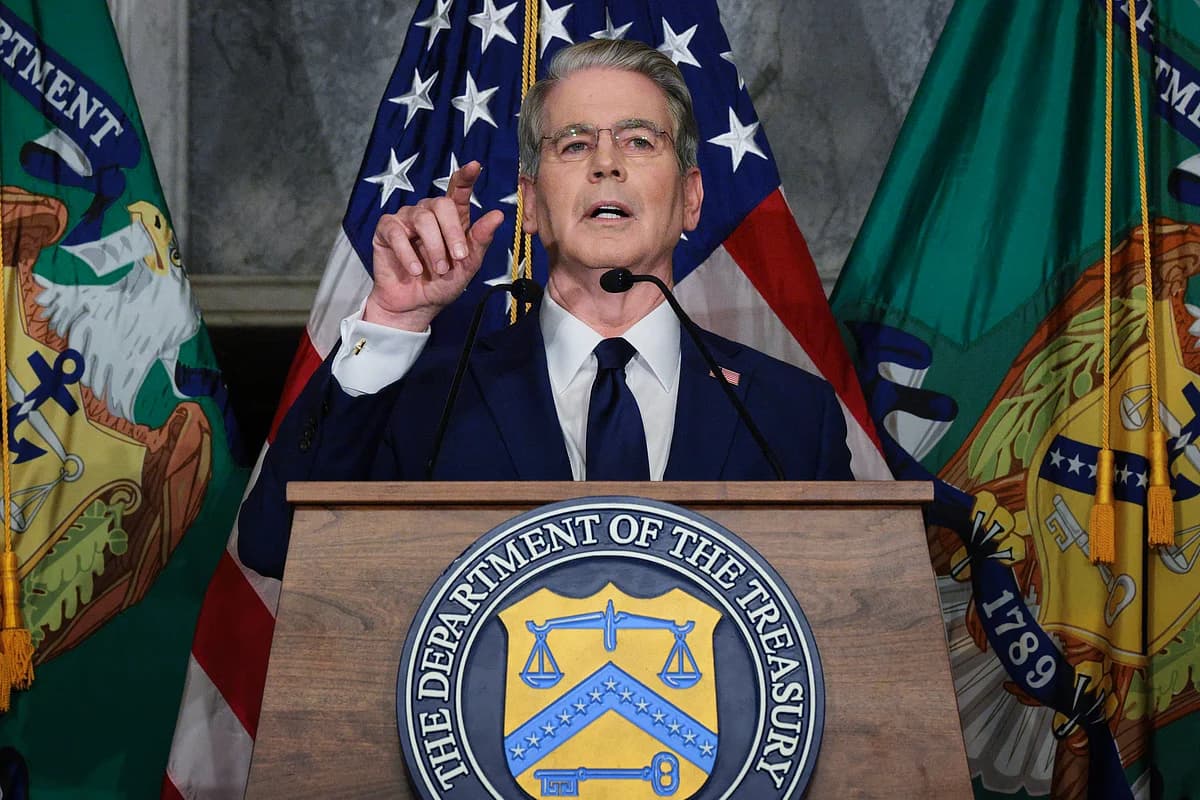
Treasury Secretary Scott Bessent emphasized that these measures are designed to hold enablers accountable and to warn foreign entities of the risks associated with engaging in these sectors with Iran. The sanctions are not just punitive; they are strategic, aiming to create a ripple effect that discourages international partners from doing business with Iran.
The designation of nearly 60 entities, individuals, and vessels linked to sanctions evasion and military procurement underscores the US's commitment to enforcing these measures. The Office of Foreign Assets Control (OFAC) has set compliance timelines for third countries, signaling that failure to adhere could result in unilateral US actions, including removal from the dollar system for those facilitating money laundering.
Iran's reaction has been one of defiance, with officials labeling the sanctions as temporary psychological pressure. They have also indicated a readiness to implement a two-year counter-sanctions plan, suggesting that Iran is preparing for a prolonged economic struggle. The immediate impact has been felt in the markets, with oil prices falling and stocks slipping as investors react to the uncertainty.
The sanctions also have broader implications for global trade, particularly for countries and businesses that have maintained ties with Iran. The UAE's prior suspension of trade with Iran indicates a shift in regional dynamics, as businesses in Dubai and beyond may face increased compliance costs and operational disruptions. Enhanced due diligence requirements could complicate logistics and financial transactions, affecting sectors that rely on established trade routes and partnerships.
Who feels it first (and how)
- International traders: Increased compliance costs and scrutiny in transactions involving Iran.
- Shipping and logistics firms: Potential disruptions in operations and heightened due diligence requirements.
- Gold traders: Changes in trading practices and potential loss of revenue from Iranian gold transactions.
- Technology companies: Risks associated with engaging in sectors now under sanctions, leading to potential legal and financial repercussions.
- Investors: Market volatility and uncertainty affecting stock prices and investment strategies.
What to watch next
- Compliance timelines: Monitor how third countries respond to the US's compliance deadlines and the potential for unilateral actions.
- Iran's economic resilience plan: Watch for developments in Iran's counter-sanctions strategy and its effectiveness in mitigating the impact of US measures.
- Global trade shifts: Observe changes in trade patterns, particularly in the UAE and other regional partners, as they navigate the new sanctions landscape.
The US has expanded sanctions to include technology, gold, aviation, and shipping sectors.
Increased compliance costs and operational disruptions for businesses engaged with Iran.
The long-term effectiveness of Iran's counter-sanctions plan and its impact on regional stability.
Frequently Asked Questions
- Why it matters?
- These sanctions could reshape global trade dynamics, particularly for businesses linked to Iran's technology, gold, aviation, and shipping sectors.
- What happened (in 30 seconds)?
- On August 24, 2026, the US Treasury announced new sectoral sanctions against Iran, targeting key economic sectors. Nearly 60 entities were designated for sanctions, including individuals and vessels linked to sanctions evasion and military procurement. Iran's response included dismissing the sanctions as psychological pressure while its currency hit record lows.
- What's really happening?
- The recent sanctions are part of a broader strategy by the United States to isolate Iran economically and curb its influence in the region. By expanding secondary sanctions to include sectors like technology, gold, aviation, and shipping, the US aims to cut off vital revenue streams that support the Iranian regime and its Islamic Revolutionary Guard Corps (IRGC). Treasury Secretary Scott Bessent emphasized that these measures are designed to hold enablers accountable and to warn foreign entiti
- Who feels it first (and how)?
- International traders: Increased compliance costs and scrutiny in transactions involving Iran. Shipping and logistics firms: Potential disruptions in operations and heightened due diligence requirements. Gold traders: Changes in trading practices and potential loss of revenue from Iranian gold transactions. Technology companies: Risks associated with engaging in sectors now under sanctions, leading to potential legal and financial repercussions. Investors: Market volatility and uncertain
- What to watch next?
- Compliance timelines: Monitor how third countries respond to the US's compliance deadlines and the potential for unilateral actions. Iran's economic resilience plan: Watch for developments in Iran's counter-sanctions strategy and its effectiveness in mitigating the impact of US measures. Global trade shifts: Observe changes in trade patterns, particularly in the UAE and other regional partners, as they navigate the new sanctions landscape.
Oil, metals, and agriculture: supply/demand headlines, OPEC chatter, inventories, and price action.
"Solid tape for energy and metals traders tracking macro and micro catalysts."
— A47 Editor
US widens sanctions on Iran but withholds more punishing options
The United States has expanded its sanctions on Iran, although it has refrained from implementing more severe punitive measures at this time. This decision reflects ongoing geopolitical tensions and the U.S. administration's strategy to exert economi...
Regional and international reporting focused on Middle Eastern politics, diplomacy, and economics.
"Asharq Al-Awsat is a Saudi-owned international newspaper reflecting mainstream Gulf political perspectives."
— A47 Editor
US Vows 'Economic D-Day' as Iran Threatens to Halt all Oil Exports
The United States has declared an 'economic D-Day' in response to Iran's threats to halt all oil exports, marking a significant escalation in tensions between the two nations. This announcement follows the U.S. decision to impose severe sanctions aim...
Breaking news and analysis from the UAE and Gulf region.
"Khaleej Times is a long-running UAE publication with broad regional coverage."
— A47 Editor
US to impose new Iran sanctions on tech, gold, aviation, shipping
The United States is set to impose new sanctions on Iran, targeting key sectors including technology, gold, aviation, and shipping. This decision comes amid escalating tensions between the two nations, with former President Donald Trump previously an...