
US Treasury Implements Operation Economic Outcast with New Sanctions on Iran
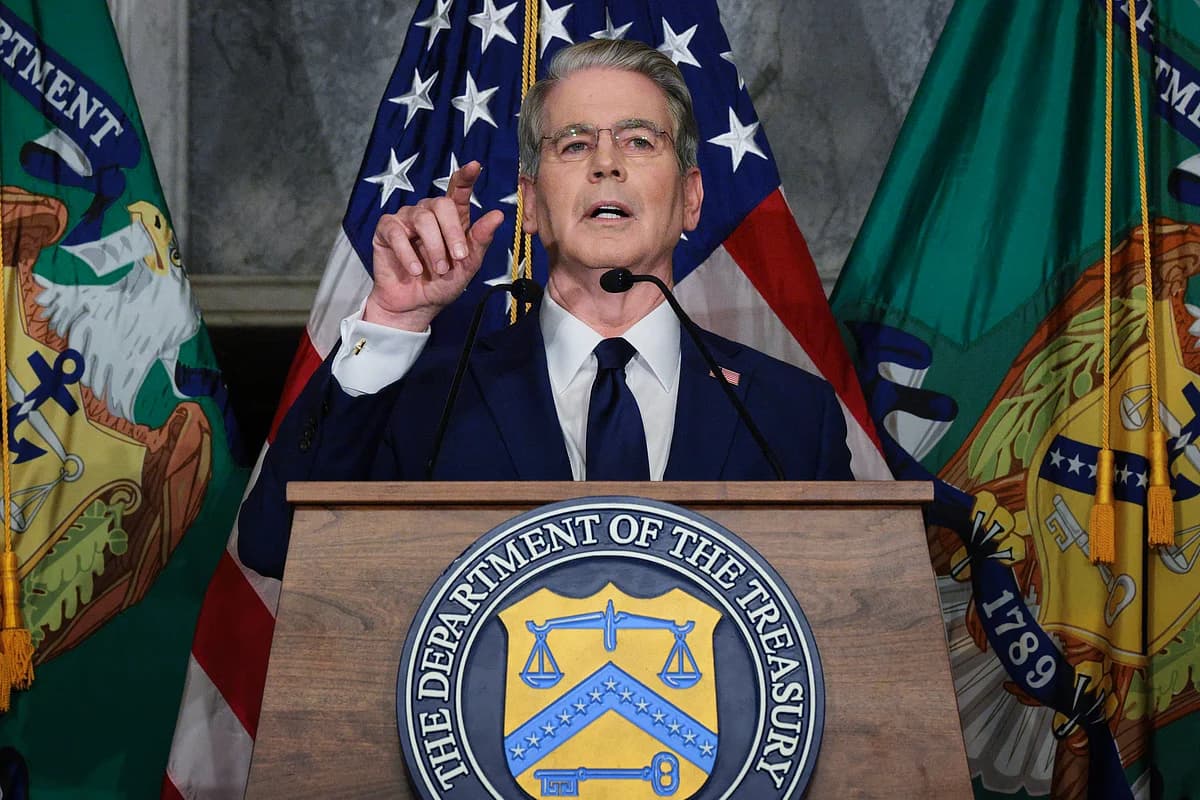
Here's what it means for you.
If you engage in international trade or finance, especially in the Middle East, you may face increased compliance risks and operational disruptions.
Why it matters
The expanded sanctions could significantly impact global trade dynamics, particularly for businesses involved with Iran.
What happened (in 30 seconds)
- On August 24, 2026, the US Treasury launched Operation Economic Outcast, targeting Iran's aviation, gold, shipping, technology, and digital assets sectors.
- Nearly 60 entities and individuals linked to Iran were sanctioned, with secondary sanctions imposed on foreign entities engaging with these sectors.
- Iran's economy faces intensified pressure, with officials warning of consequences for participating countries as the rial hits record lows.
The context you actually need
- Ongoing regional tensions: The sanctions come amid heightened conflicts involving Iran, Israel, and Lebanon, exacerbating economic pressures on Iran.
- Previous sanctions: Iran has already faced extensive sanctions on oil exports, leading to the development of alternative revenue streams through gold and cryptocurrency.
- Global economic implications: The sanctions could disrupt trade routes and financial systems, affecting not just Iran but also its trading partners, including those in the UAE and beyond.
What's really happening
Operation Economic Outcast represents a strategic escalation in the US's economic pressure campaign against Iran. By targeting key sectors like aviation, gold, shipping, technology, and digital assets, the US aims to cut off Iran's remaining economic lifelines. This initiative is rooted in Executive Order 13902, which allows for secondary sanctions on foreign entities that engage with Iran in these sectors.
The US Treasury's actions are designed to deter international businesses from interacting with Iran, warning that any facilitation of money laundering or sanctions evasion could lead to removal from the US dollar system. This creates a chilling effect on global trade, as companies must weigh the risks of engaging with Iranian entities against the potential benefits.
The sanctions are not merely punitive; they are intended to reshape Iran's economic landscape by isolating it from international markets. The nearly 60 entities sanctioned include individuals and vessels involved in oil networks and cyber activities, indicating a broad approach to dismantling Iran's economic infrastructure. The Treasury's guidance on shipping in the Strait of Hormuz further complicates logistics for any foreign entity considering trade with Iran.
Iranian officials have dismissed these sanctions as ineffective, labeling them as psychological pressure. However, the immediate impact is evident, with the Iranian rial depreciating to record lows and markets reacting with uncertainty. Oil prices have slipped, reflecting the broader market apprehension regarding the stability of the region.
As the US strengthens its sanctions regime, countries like China, which have vested interests in Iran, are voicing concerns about the implications for their economic activities. This creates a complex web of geopolitical tensions, where nations must navigate their relationships with both the US and Iran carefully.
Who feels it first (and how)
- International traders: Companies involved in shipping and logistics may face immediate disruptions and compliance challenges.
- Financial institutions: Banks and financial services dealing with Iranian entities risk penalties and exclusion from the US financial system.
- Technology firms: Businesses in the tech sector may need to reassess partnerships and supply chains involving Iranian companies.
- UAE-based entities: Companies in Dubai and the UAE that engage in trade with Iran will encounter heightened scrutiny and potential operational risks.
What to watch next
- Compliance updates: Monitor for new guidance from the US Treasury regarding compliance requirements for foreign entities.
- Market reactions: Watch for fluctuations in oil prices and stock market responses as the sanctions take effect.
- Geopolitical developments: Keep an eye on diplomatic interactions between the US, Iran, and other nations, particularly those with economic ties to Iran.
The US has imposed new sanctions targeting key sectors of the Iranian economy.
Increased compliance risks for businesses engaging with Iran and potential disruptions in regional trade.
The long-term effectiveness of these sanctions in altering Iran's economic behavior and geopolitical stance.
Frequently Asked Questions
- Why it matters?
- The expanded sanctions could significantly impact global trade dynamics, particularly for businesses involved with Iran.
- What happened (in 30 seconds)?
- On August 24, 2026, the US Treasury launched Operation Economic Outcast, targeting Iran's aviation, gold, shipping, technology, and digital assets sectors. Nearly 60 entities and individuals linked to Iran were sanctioned, with secondary sanctions imposed on foreign entities engaging with these sectors. Iran's economy faces intensified pressure, with officials warning of consequences for participating countries as the rial hits record lows.
- What's really happening?
- Operation Economic Outcast represents a strategic escalation in the US's economic pressure campaign against Iran. By targeting key sectors like aviation, gold, shipping, technology, and digital assets, the US aims to cut off Iran's remaining economic lifelines. This initiative is rooted in Executive Order 13902, which allows for secondary sanctions on foreign entities that engage with Iran in these sectors. The US Treasury's actions are designed to deter international businesses from interacti
- Who feels it first (and how)?
- International traders: Companies involved in shipping and logistics may face immediate disruptions and compliance challenges. Financial institutions: Banks and financial services dealing with Iranian entities risk penalties and exclusion from the US financial system. Technology firms: Businesses in the tech sector may need to reassess partnerships and supply chains involving Iranian companies. UAE-based entities: Companies in Dubai and the UAE that engage in trade with Iran will encounter height
- What to watch next?
- Compliance updates: Monitor for new guidance from the US Treasury regarding compliance requirements for foreign entities. Market reactions: Watch for fluctuations in oil prices and stock market responses as the sanctions take effect. Geopolitical developments: Keep an eye on diplomatic interactions between the US, Iran, and other nations, particularly those with economic ties to Iran.
Oil, metals, and agriculture: supply/demand headlines, OPEC chatter, inventories, and price action.
"Solid tape for energy and metals traders tracking macro and micro catalysts."
— A47 Editor
Oil dips in volatile session amid Mideast diplomacy hopes, Russia-Ukraine tensions
Oil prices experienced a decline during a volatile trading session, influenced by ongoing diplomatic efforts in the Middle East and heightened tensions between Russia and Ukraine. The fluctuations in oil prices reflect the market's sensitivity to geo...
UAE-based English-language newspaper covering regional politics, economics, and global affairs.
"The National reflects Emirati policy perspectives while maintaining international editorial standards."
— A47 Editor
Oil slides over 3% to hit one-week low as US unveils tough sanctions on Iran
Oil prices have dropped over 3%, reaching a one-week low, as the United States announced stringent new sanctions against Iran, marking a significant escalation in economic tensions between the two nations. The sanctions are part of a broader strategy...
Breaking news and analysis from the UAE and Gulf region.
"Khaleej Times is a long-running UAE publication with broad regional coverage."
— A47 Editor
US to impose new Iran sanctions on tech, gold, aviation, shipping
The United States is set to impose new sanctions on Iran, targeting key sectors including technology, gold, aviation, and shipping. This decision comes amid escalating tensions between the two nations, with former President Donald Trump previously an...