
UN and ICRC Renew Call for Binding Rules on Autonomous Weapons Systems
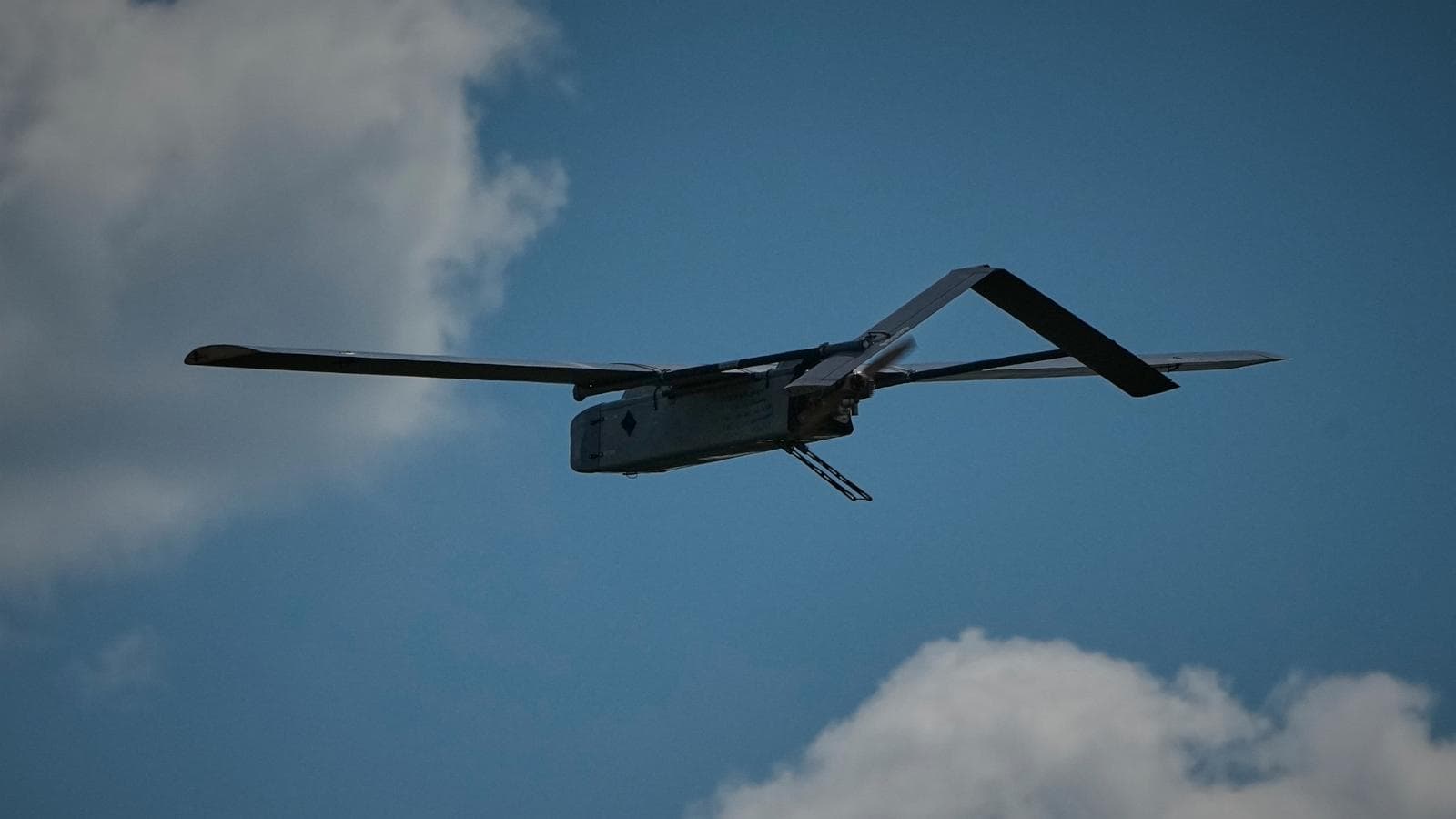
Here's what it means for you.
As technological advancements in warfare escalate, the push for regulations on autonomous weapons could reshape global security dynamics.
Why it matters
The call for legally binding rules on autonomous weapons systems highlights the urgent need for international consensus to protect civilians in conflict zones.
What happened (in 30 seconds)
- On August 25, 2026, the UN and ICRC renewed their appeal for prohibitions on autonomous weapons systems.
- The statement warns that technological advancements risk crossing a moral red line by enabling machines to autonomously target humans.
- More than 120 countries support negotiations for a treaty on these systems, with a key review conference scheduled for November 2026.
The context you actually need
- Autonomous weapons systems, often referred to as "killer robots," have been debated since 2014 under the UN Convention on Certain Conventional Weapons (CCW).
- Rapid advancements in AI and drone technology have outpaced existing regulatory frameworks, raising concerns about their use in conflicts like those in Ukraine and the Middle East.
- Opposition from major powers like Russia and the United States complicates the push for new binding rules, as they argue that current international humanitarian law is sufficient.
What's really happening
The renewed call from the UN Secretary-General António Guterres and ICRC President Mirjana Spoljaric reflects a growing consensus among many nations and humanitarian organizations that the current pace of technological advancement in warfare poses unprecedented risks. Autonomous weapons systems, capable of making life-and-death decisions without human intervention, challenge existing ethical and legal frameworks. The statement emphasizes that allowing machines to autonomously target humans crosses a moral red line, necessitating a legally binding instrument to regulate their use.
The upcoming Seventh Review Conference of the CCW in November 2026 is seen as a critical juncture for negotiations. Advocates argue that this conference must not only address the prohibitions on unpredictable systems but also establish clear guidelines for those that could directly target humans. The urgency is underscored by the fact that more than 120 countries have expressed support for negotiating a treaty, indicating a significant international momentum towards regulation.
However, the path forward is fraught with challenges. Major military powers, particularly the United States and Russia, have resisted calls for new binding rules, asserting that existing international humanitarian law is adequate to govern the use of autonomous weapons. This opposition raises questions about the feasibility of reaching a consensus at the upcoming conference. The divide between nations advocating for stricter regulations and those favoring the status quo reflects broader geopolitical tensions and differing national security priorities.
As discussions progress, the implications for civilian safety and international humanitarian law are profound. The potential for autonomous weapons to operate without human oversight raises ethical dilemmas about accountability and the protection of non-combatants in conflict zones. The call for legally binding rules is not merely a regulatory issue; it is a moral imperative that seeks to ensure that technological advancements do not outpace our ethical considerations in warfare.
Who feels it first (and how)
- Humanitarian organizations: Increased advocacy for civilian protection in conflict zones.
- Military strategists: Need to adapt to new regulations that could limit operational capabilities.
- Governments: Must navigate international negotiations and domestic implications of new treaties.
- Tech companies: Potential shifts in research and development priorities based on regulatory outcomes.
What to watch next
- November 2026 CCW Review Conference: The outcomes of this conference will be pivotal in determining the future of autonomous weapons regulations.
- Responses from major military powers: Watch for shifts in stance from the U.S. and Russia, which could influence the negotiation landscape.
- Public opinion and advocacy movements: Growing public awareness and advocacy could pressure governments to adopt stricter regulations.
The UN and ICRC have called for legally binding rules on autonomous weapons systems.
The November 2026 conference will see intense negotiations and advocacy efforts.
The extent to which major powers will compromise on their positions regarding existing humanitarian laws.
Frequently Asked Questions
- Why it matters?
- The call for legally binding rules on autonomous weapons systems highlights the urgent need for international consensus to protect civilians in conflict zones.
- What happened (in 30 seconds)?
- On August 25, 2026, the UN and ICRC renewed their appeal for prohibitions on autonomous weapons systems. The statement warns that technological advancements risk crossing a moral red line by enabling machines to autonomously target humans. More than 120 countries support negotiations for a treaty on these systems, with a key review conference scheduled for November 2026.
- What's really happening?
- The renewed call from the UN Secretary-General António Guterres and ICRC President Mirjana Spoljaric reflects a growing consensus among many nations and humanitarian organizations that the current pace of technological advancement in warfare poses unprecedented risks. Autonomous weapons systems, capable of making life-and-death decisions without human intervention, challenge existing ethical and legal frameworks. The statement emphasizes that allowing machines to autonomously target humans cross
- Who feels it first (and how)?
- Humanitarian organizations: Increased advocacy for civilian protection in conflict zones. Military strategists: Need to adapt to new regulations that could limit operational capabilities. Governments: Must navigate international negotiations and domestic implications of new treaties. Tech companies: Potential shifts in research and development priorities based on regulatory outcomes.
- What to watch next?
- November 2026 CCW Review Conference: The outcomes of this conference will be pivotal in determining the future of autonomous weapons regulations. Responses from major military powers: Watch for shifts in stance from the U.S. and Russia, which could influence the negotiation landscape. Public opinion and advocacy movements: Growing public awareness and advocacy could pressure governments to adopt stricter regulations.
Arabic-language coverage of international news and geopolitics.
"RT Arabic is a Russian state-funded outlet often criticized for promoting Kremlin-aligned narratives."
— A47 Editor
الأمم المتحدة والصليب الأحمر تطالبان بوضع قواعد دولية لتنظيم استخدام "الروبوت القاتل"
The United Nations and the International Committee of the Red Cross have jointly called for a ban or restriction on the use of autonomous weapon systems, commonly referred to as killer robots, warning of the increasing risks associated with these wea...
Pan-Arab news coverage spanning politics, business, sports, and regional affairs.
"Asharq Al-Awsat reflects a broad Arab editorial perspective with strong attention to regional geopolitics."
— A47 Editor
الأمم المتحدة والصليب الأحمر تدعوان إلى تنظيم دولي لأسلحة «الروبوتات القاتلة»
The United Nations and the International Committee of the Red Cross have jointly called for a ban or restriction on the use of autonomous weapon systems, commonly referred to as killer robots. This initiative highlights the growing concern over the e...
Regional coverage and analysis focused on politics, diplomacy, and business across the Middle East.
"Al-Monitor is known for analytical reporting on Middle East politics and policy developments."
— A47 Editor
World must rein in autonomous weapons: UN, Red Cross
The United Nations and the Red Cross have issued a stark warning that the world is perilously close to a future dominated by autonomous weapons, often referred to as 'killer robots'. This alarming statement was made during a press conference by UN Se...
Technology innovations, startups, and trends.
"ABC News delivers broad national coverage with a mainstream editorial stance, focusing on accessibility and balanced reporting."
— A47 Editor
UN and Red Cross step up call for international rules on 'killer robot' weapons systems
The United Nations and the International Red Cross are intensifying their calls for countries to implement bans and restrictions on autonomous weapons systems, commonly referred to as 'killer robots.' This push highlights growing concerns over the et...
Regional and international reporting focused on Middle Eastern politics, diplomacy, and economics.
"Asharq Al-Awsat is a Saudi-owned international newspaper reflecting mainstream Gulf political perspectives."
— A47 Editor
UN, Red Cross Chiefs: World Must Rein in Autonomous Weapons
The United Nations and the Red Cross have issued a critical warning regarding the rapid development of autonomous weapons, often termed 'killer robots', emphasizing the urgent need for global regulation to prevent potential misuse and escalation of v...