
Oil tanker hit by projectile in Strait of Hormuz amid rising maritime tensions
Here's what it means for you.
If you rely on energy imports or maritime shipping, expect rising costs and increased caution in transit routes.
Why it matters
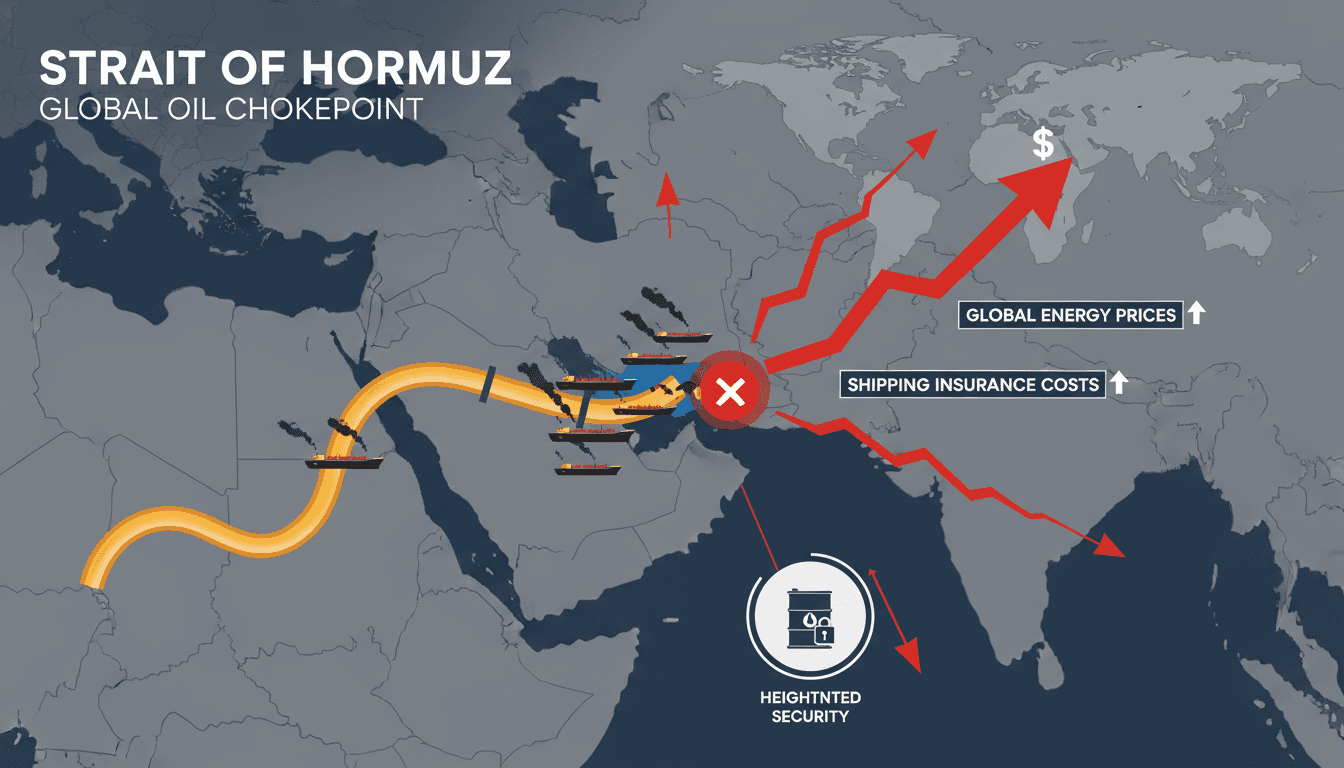
The Strait of Hormuz is a critical chokepoint for global oil transit, and incidents like this can disrupt supply chains and elevate shipping costs.
What happened (in 30 seconds)
- UKMTO reported that an oil tanker was struck by an unknown projectile while transiting the Strait of Hormuz on Tuesday.
- All crew members were confirmed safe, with no injuries or environmental impact reported.
- Ongoing investigations are looking into the incident, which follows a similar attack off the Omani coast just a day prior.
The context you actually need
- The Strait of Hormuz is a vital passage for approximately 20% of the world's oil supply, making it a focal point for geopolitical tensions.
- Increased maritime incidents have been reported in 2026, reflecting rising risks associated with shipping in the region, particularly involving Iran.
- UKMTO alerts have been issued previously regarding maritime threats, indicating a pattern of escalating risks for vessels operating in these waters.
What's really happening
The recent attack on an oil tanker in the Strait of Hormuz underscores the escalating maritime risks in a region that is already fraught with geopolitical tensions. The Strait serves as a crucial artery for global energy transit, with around 20% of the world's oil passing through it daily. The incident, reported by UK Maritime Trade Operations (UKMTO), highlights the vulnerabilities faced by shipping companies operating in this strategic waterway.
The attack occurred amid a backdrop of increasing maritime incidents in 2026, particularly involving Iranian interests. This year has seen multiple alerts from UKMTO regarding threats to vessels, particularly those transiting near Oman. The pattern of these incidents suggests a growing trend of hostility in the region, which could be driven by various geopolitical factors, including disputes over territorial waters and sanctions.
Shipping companies are now facing heightened scrutiny and operational challenges. The immediate aftermath of the attack has led to increased advisories for vessels to exercise caution, which could result in longer transit times and elevated shipping costs. Insurance premiums for maritime operations in the region are likely to rise as companies seek to mitigate the risks associated with potential attacks. This could have a cascading effect on global energy prices, as shipping costs are often passed down the supply chain.
Moreover, the lack of clarity regarding the identity of the attacker adds to the uncertainty. Without knowing who is behind these incidents, shipping companies may find it challenging to assess risks accurately and implement effective countermeasures. The ongoing investigations into the attack will be crucial in determining the next steps for maritime security in the region.
As the situation develops, the implications for global energy markets and shipping logistics will become clearer. Stakeholders must remain vigilant and adaptable to navigate the complexities introduced by these maritime threats.
Who feels it first (and how)
- Shipping companies: Increased operational costs and insurance premiums.
- Energy importers: Potential rise in energy prices due to elevated shipping costs.
- Maritime insurers: Heightened risk assessments leading to increased premiums.
- Consumers: Possible indirect effects on energy prices and supply chain reliability.
What to watch next
- Insurance premium trends: Rising costs could indicate increased risk perception in maritime operations.
- Geopolitical developments: Any escalation in tensions between Iran and neighboring countries could lead to further incidents.
- Shipping advisories: Changes in advisories from UKMTO or other maritime authorities will signal shifts in risk levels for vessels transiting the Strait.
The oil tanker was struck by an unknown projectile; all crew members are safe.
Shipping costs and insurance premiums will rise due to increased risks in the Strait of Hormuz.
The identity of the attacker and the motivations behind the incident remain unknown.
Frequently Asked Questions
- Why it matters?
- The Strait of Hormuz is a critical chokepoint for global oil transit, and incidents like this can disrupt supply chains and elevate shipping costs.
- What happened (in 30 seconds)?
- UKMTO reported that an oil tanker was struck by an unknown projectile while transiting the Strait of Hormuz on Tuesday. All crew members were confirmed safe, with no injuries or environmental impact reported. Ongoing investigations are looking into the incident, which follows a similar attack off the Omani coast just a day prior.
- What's really happening?
- The recent attack on an oil tanker in the Strait of Hormuz underscores the escalating maritime risks in a region that is already fraught with geopolitical tensions. The Strait serves as a crucial artery for global energy transit, with around 20% of the world's oil passing through it daily. The incident, reported by UK Maritime Trade Operations (UKMTO), highlights the vulnerabilities faced by shipping companies operating in this strategic waterway. The attack occurred amid a backdrop of increasi
- Who feels it first (and how)?
- Shipping companies: Increased operational costs and insurance premiums. Energy importers: Potential rise in energy prices due to elevated shipping costs. Maritime insurers: Heightened risk assessments leading to increased premiums. Consumers: Possible indirect effects on energy prices and supply chain reliability.
- What to watch next?
- Insurance premium trends: Rising costs could indicate increased risk perception in maritime operations. Geopolitical developments: Any escalation in tensions between Iran and neighboring countries could lead to further incidents. Shipping advisories: Changes in advisories from UKMTO or other maritime authorities will signal shifts in risk levels for vessels transiting the Strait.
Jordanian news and regional updates.
"Roya News is a Jordanian outlet focused on breaking news and local affairs."
— A47 Editor
هيئة عمليات التجارة البحرية البريطانية تعلن تعرض ناقلة نفط لهجوم بمضيق هرمز
The British Maritime Operations Agency (UKMTO) reported that an oil tanker was attacked in the Strait of Hormuz, highlighting ongoing security threats in this critical maritime route. The incident raises alarms about the safety of vessels navigating ...
Regional and international reporting focused on Middle Eastern politics, diplomacy, and economics.
"Asharq Al-Awsat is a Saudi-owned international newspaper reflecting mainstream Gulf political perspectives."
— A47 Editor
Tanker Hit by 'Unknown Projectile' in Strait of Hormuz, Says UKMTO
A tanker was struck by an unknown projectile while navigating the Strait of Hormuz, as reported by the United Kingdom Maritime Trade Operations (UKMTO). The incident raises significant concerns regarding maritime safety in this strategically vital wa...
Arabic-language coverage of political affairs and current events.
"Okaz political coverage typically follows mainstream Saudi framing on national and regional affairs."
— A47 Editor
ناقلة نفط تتعرض لهجوم في مضيق هرمز
A tanker was attacked by an unknown projectile in the Strait of Hormuz, as reported by the British Maritime Trade Operations on Tuesday. The incident occurred in the waterway between Iran and Oman, with the crew reported to be safe, although the iden...
Arabic-language coverage of international news and geopolitics.
"RT Arabic is a Russian state-funded outlet often criticized for promoting Kremlin-aligned narratives."
— A47 Editor
إصابة ناقلة في مضيق هرمز بقذيفة مجهولة المصدر
A tanker in the Strait of Hormuz was struck by an unknown projectile, resulting in a fire onboard, as reported by the UK Maritime Trade Operations (UKMTO). This incident underscores the ongoing risks faced by vessels navigating this strategically imp...