
Psilocybin Shows Promise in Preventing Chemotherapy-Induced Nerve Damage
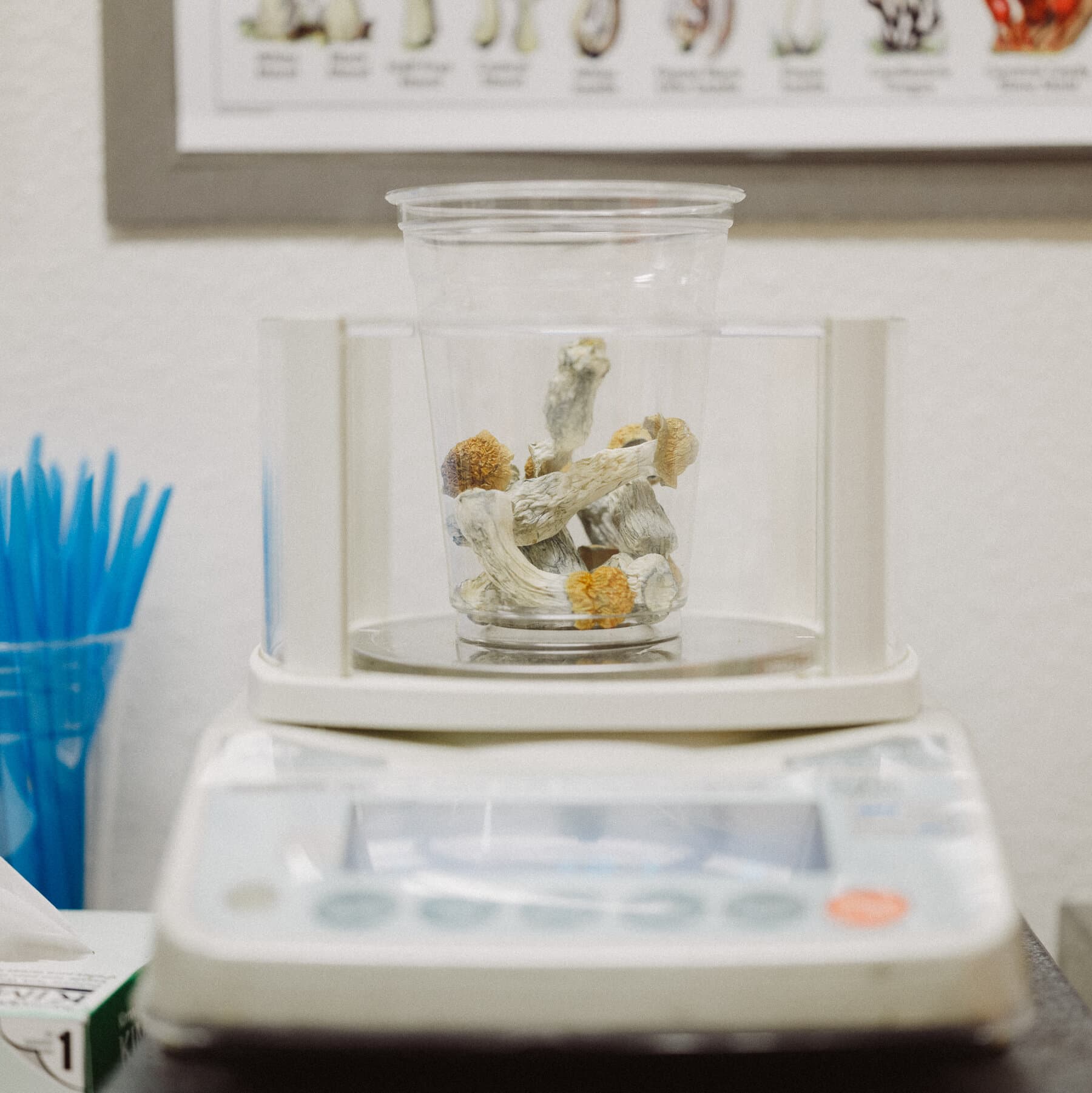
Here's what it means for you.
This breakthrough could enhance treatment experiences for cancer patients, potentially influencing healthcare practices globally.
What happened
A preclinical study indicates that psilocybin can prevent chemotherapy-induced peripheral neuropathy in mice.
The Context
- Chemotherapy-induced peripheral neuropathy (CIPN) affects up to two-thirds of chemotherapy patients, causing debilitating symptoms that can lead to treatment interruptions.
- Current treatments for CIPN are limited, creating a significant gap in supportive care for oncology patients.
- Upcoming clinical trials are set to explore psilocybin's effects in humans, potentially paving the way for new therapeutic options in cancer care.
The Number
of chemotherapy patients experience peripheral neuropathy, highlighting a critical area for improvement in cancer treatment protocols.
Takeaway
As clinical trials commence, the potential for psilocybin to transform cancer care could reshape patient experiences and treatment outcomes.
Health trends, medical research, and fitness reporting.
"The New York Times is a globally recognized newspaper offering authoritative reporting with a center-left editorial stance."
— A47 Editor
Psilocybin May Prevent Nerve Damage Caused by Chemotherapy, Study Finds
A recent study indicates that psilocybin, a psychedelic compound, may help prevent nerve damage caused by chemotherapy, based on preliminary research conducted in mice. This finding is particularly significant as neuropathy, a common side effect of c...
Scientific research, space, environment, and health coverage.
"The New York Times is a globally recognized newspaper offering authoritative reporting with a center-left editorial stance."
— A47 Editor
Psilocybin May Prevent Nerve Damage Caused by Chemotherapy, Study Finds
A recent study indicates that psilocybin, a psychedelic compound, may help prevent nerve damage caused by chemotherapy, based on preliminary research conducted in mice. This finding is particularly significant as neuropathy, a common side effect of c...
Scientific discoveries, health, technology, and natural phenomena.
"Live Science reports on scientific discoveries, health, technology, and natural phenomena with a popular science tone."
— A47 Editor
Psilocybin may protect against a common, debilitating side effect of chemotherapy, early study finds
Early research suggests that psilocybin, a psychedelic compound known for its effects on the brain, may protect peripheral nerves from damage caused by chemotherapy. This finding indicates a potential new therapeutic avenue for addressing neuropathy,...
Science and technology stories including AI.
"Longstanding science magazine with thoughtful AI coverage."
— A47 Editor
‘Unparalleled’ study finds psilocybin protects against nerve damage from chemotherapy
A recent study has revealed that psilocybin, a compound found in magic mushrooms, may offer protection against nerve damage caused by chemotherapy in mice. This groundbreaking research suggests a potential new avenue for mitigating a common and debil...
Scientific research, technology, environment, and society.
"Scientific American is one of the oldest and most authoritative science magazines, known for deep dives into science, technology, and society."
— A47 Editor
‘Unparalleled’ study finds psilocybin protects against nerve damage from chemotherapy
A recent study has revealed that psilocybin, a compound found in magic mushrooms, may offer protection against nerve damage caused by chemotherapy in mice. This groundbreaking research suggests a potential new avenue for mitigating a common and debil...