
US Treasury Sanctions 27 Iranian Airlines and 36 Entities Targeting Iran's Aviation Sector
Why it matters
These sanctions further isolate Iran's aviation sector, potentially disrupting regional air travel and logistics.
What happened (in 30 seconds)
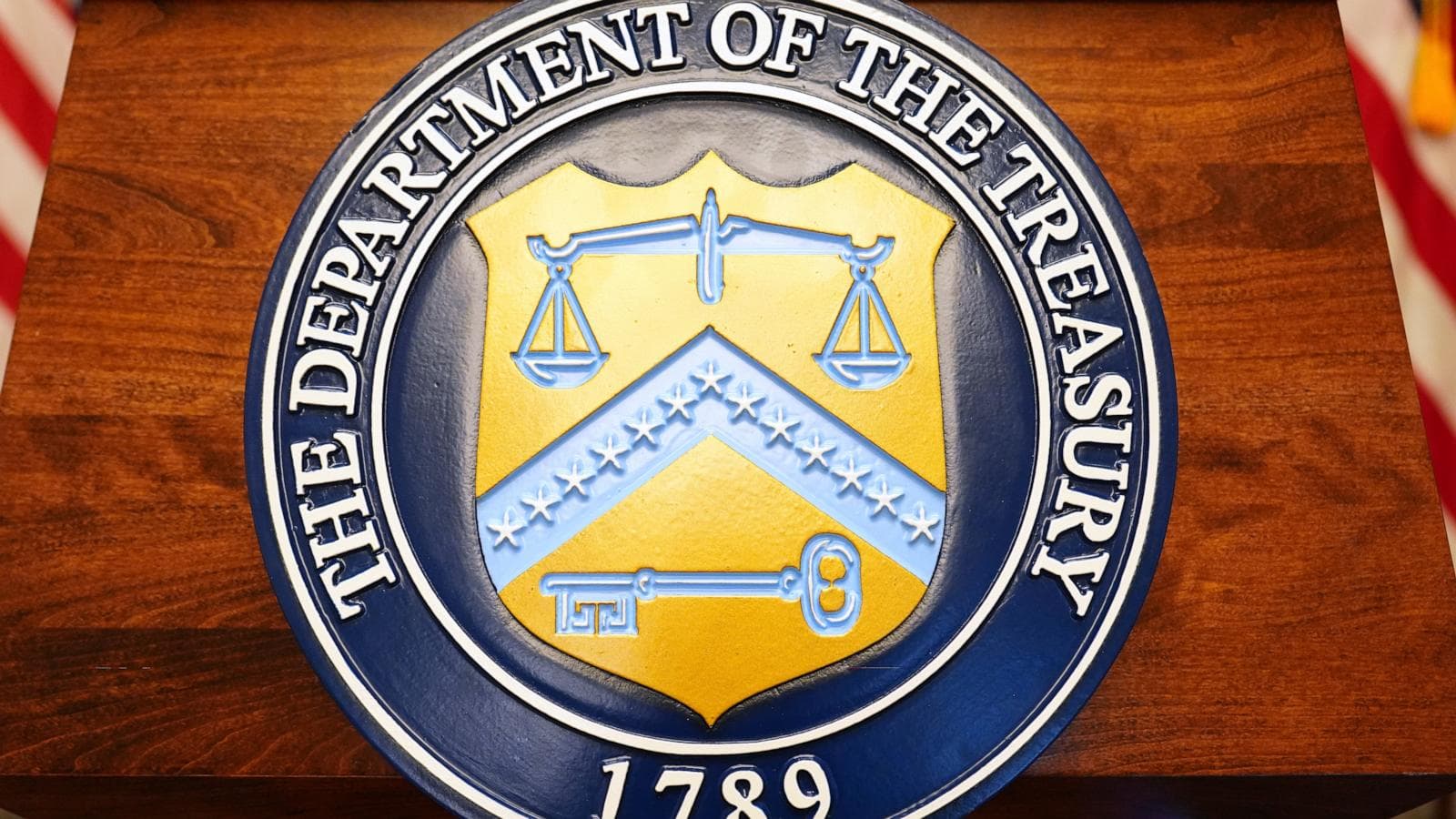
- On September 8, 2026, the US Treasury imposed sanctions on 27 Iranian airlines and 36 entities under Operation Economic Outcast.
- The sanctions target entities accused of facilitating the Iranian regime's movement of weapons and illicit cargo.
- This action builds on previous sanctions against Mahan Air, aiming to cut Iran's access to global aviation networks.
The context you actually need
- Operation Economic Outcast was launched to economically isolate Iran, particularly its aviation sector, following a determination that it supports military activities.
- Mahan Air, a key player in Iran's aviation, has faced US sanctions since 2011 for alleged ties to the IRGC-Quds Force, with additional sanctions imposed in 2019.
- The sanctions come amid ongoing geopolitical tensions, including concerns over Iran's nuclear activities and its regional influence.
What's really happening
The US Treasury's sanctions on Iranian airlines are part of a broader strategy to economically isolate Iran and curb its military capabilities. By targeting 27 airlines and 36 associated entities, the US aims to disrupt the logistical networks that support the Iranian regime and its military operations. This move follows a determination made on August 24, 2026, that Iran's aviation sector falls under Executive Order 13902, which allows for such sanctions.
The sanctions specifically target entities accused of procuring US-origin aircraft and providing logistical support to Mahan Air, which has been a focal point of US sanctions due to its alleged support for the Iranian Revolutionary Guard Corps (IRGC). The Treasury's Office of Foreign Assets Control (OFAC) has also suspended three general licenses, including one that allowed temporary sojourns, indicating a tightening of restrictions on interactions with these airlines.
The implications of these sanctions extend beyond Iran. Foreign intermediaries in countries like Turkey, the UAE, and Kazakhstan are now under scrutiny, as they may face compliance obligations to avoid secondary sanctions. This could lead to a ripple effect in the aviation and logistics sectors, particularly for companies that have previously engaged with the sanctioned entities.
Moreover, the sanctions are designed to sever Tehran's access to global financial networks, which could further isolate Iran economically. While immediate market shifts in global aviation or energy sectors have not been reported, the long-term effects could be significant, especially if third-country firms begin to withdraw from dealings with the sanctioned airlines.
As the sanctions take effect, the US has issued alerts to financial institutions regarding procurement networks linked to these airlines. This proactive approach indicates a commitment to enforcing compliance and preventing any circumvention of the sanctions.
Who feels it first (and how)
- Aviation companies in the UAE and Turkey that have previously partnered with the sanctioned airlines may face immediate operational disruptions.
- Logistics firms relying on Iranian carriers for regional transport could see increased costs and delays.
- Financial institutions will need to enhance compliance measures to avoid penalties related to transactions with designated entities.
- Travelers in the region may experience changes in flight availability and increased fares as airlines adjust to the sanctions.
What to watch next
- Compliance measures: Monitor how foreign intermediaries adapt to the new sanctions and whether they withdraw from dealings with Iranian airlines.
- Market reactions: Watch for any shifts in regional air travel patterns and logistics costs as airlines adjust their operations.
- Geopolitical developments: Keep an eye on Iran's response to these sanctions and any potential retaliatory measures that could affect regional stability.
The US has imposed sanctions on 27 Iranian airlines and 36 entities.
Foreign intermediaries will reassess their relationships with Iranian airlines to avoid compliance risks.
The long-term impact on regional air travel and logistics costs remains to be seen.
Frequently Asked Questions
- Why it matters?
- These sanctions further isolate Iran's aviation sector, potentially disrupting regional air travel and logistics.
- What happened (in 30 seconds)?
- On September 8, 2026, the US Treasury imposed sanctions on 27 Iranian airlines and 36 entities under Operation Economic Outcast. The sanctions target entities accused of facilitating the Iranian regime's movement of weapons and illicit cargo. This action builds on previous sanctions against Mahan Air, aiming to cut Iran's access to global aviation networks.
- What's really happening?
- The US Treasury's sanctions on Iranian airlines are part of a broader strategy to economically isolate Iran and curb its military capabilities. By targeting 27 airlines and 36 associated entities, the US aims to disrupt the logistical networks that support the Iranian regime and its military operations. This move follows a determination made on August 24, 2026, that Iran's aviation sector falls under Executive Order 13902, which allows for such sanctions. The sanctions specifically target entit
- Who feels it first (and how)?
- Aviation companies in the UAE and Turkey that have previously partnered with the sanctioned airlines may face immediate operational disruptions. Logistics firms relying on Iranian carriers for regional transport could see increased costs and delays. Financial institutions will need to enhance compliance measures to avoid penalties related to transactions with designated entities. Travelers in the region may experience changes in flight availability and increased fares as airlines adjust to
- What to watch next?
- Compliance measures: Monitor how foreign intermediaries adapt to the new sanctions and whether they withdraw from dealings with Iranian airlines. Market reactions: Watch for any shifts in regional air travel patterns and logistics costs as airlines adjust their operations. Geopolitical developments: Keep an eye on Iran's response to these sanctions and any potential retaliatory measures that could affect regional stability.
Global news coverage with extensive reporting on Middle Eastern conflicts and geopolitics.
"Al Jazeera is a Qatar-based broadcaster known for wide regional coverage and alternative perspectives."
— A47 Editor
US increases pressure on Iran with sanctions targeting aviation sector
The Trump administration has intensified its economic pressure on Iran by imposing new sanctions targeting the aviation sector, as part of a broader strategy to isolate Tehran economically. These measures are intended to further cripple Iran's econom...
Comprehensive coverage of Middle Eastern and global issues.
"Al Jazeera is a prominent voice from the Global South, especially the Middle East, with an emphasis on underreported stories."
— A47 Editor
US increases pressure on Iran with sanctions targeting aviation sector
The Trump administration has intensified its economic pressure on Iran by imposing new sanctions targeting the aviation sector, as part of a broader strategy to isolate Tehran economically. These measures are intended to further cripple Iran's econom...
International news coverage curated for readers in the UAE and Gulf region.
"Emirates 24|7 world coverage presents global developments through a UAE-facing and Gulf-relevant editorial lens."
— A47 Editor
US targets Iran's aviation sector with sweeping new sanctions
The United States has imposed 36 new sanctions targeting Iran's aviation sector, specifically aiming to ground Mahan Air and other Iranian airlines, as part of an intensified economic pressure campaign amid ongoing conflicts in the Middle East. This ...
Major U.S. developments and regional news.
"ABC News delivers broad national coverage with a mainstream editorial stance, focusing on accessibility and balanced reporting."
— A47 Editor
US hits remaining parts of Iran's aviation sector with sanctions in latest move to isolate Tehran
The Trump administration has imposed sanctions on the remaining parts of Iran's aviation sector, marking a significant escalation in efforts to economically isolate Tehran. This move is part of a broader strategy to disrupt Iran's economic activities...