
Iran Expands Maritime Zone and Attacks Vessels Amid Ongoing US-Iran Conflict
Elevated oil prices and shipping risks could impact your costs and logistics in the coming months.
Why it matters
The escalation in maritime confrontations threatens global energy supply chains and could lead to sustained increases in oil prices.
What happened (in 30 seconds)
- Iran's IRGC conducted strikes on over a dozen vessels, including two US ships and eight oil tankers, on September 9, 2026.
- The prohibited maritime zone was expanded into the Gulf of Oman and Arabian Sea, complicating shipping routes.
- Oil prices surged above $100 per barrel, closing at $101.21, reflecting market volatility.
The context you actually need
- The US-Iran conflict began in February 2026, with Iran asserting control over the Strait of Hormuz, a critical global oil transit route.
- Traffic through the Strait has been severely disrupted, affecting approximately one-fifth of global oil and LNG shipments.
- Preceding military actions included the US destroying five Iranian oil tankers in response to Iranian attacks on US naval assets.
What's really happening
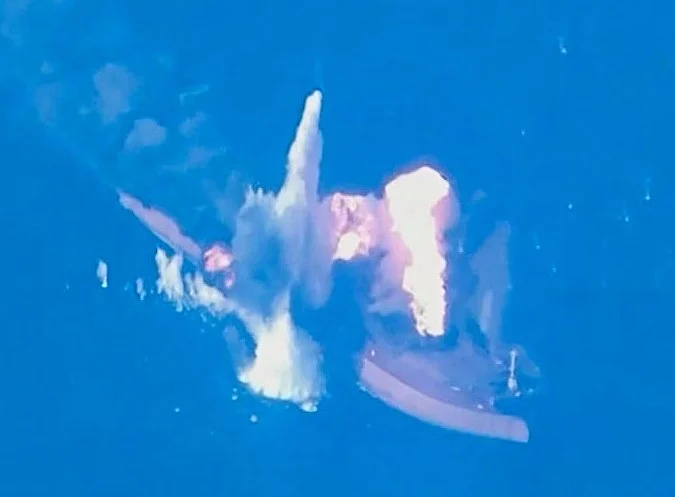
On September 9, 2026, the Islamic Revolutionary Guard Corps (IRGC) of Iran escalated its maritime confrontations by striking multiple vessels, including two US ships and eight oil tankers. This aggressive action is part of a broader conflict that has been intensifying since February 2026, when Iran began enforcing a blockade of the Strait of Hormuz. This strategic waterway is crucial for global energy, as it typically facilitates about 20% of the world's oil and liquefied natural gas (LNG) shipments.
The IRGC's strikes were not isolated incidents but rather a calculated response to previous US military actions, including the destruction of Iranian oil tankers. By expanding its prohibited maritime zone into the Gulf of Oman and Arabian Sea, Iran is asserting greater control over shipping routes, which could lead to increased shipping insurance costs and delays for vessels operating in these waters. The IRGC's claims of self-defense and sanctions enforcement reflect a narrative aimed at justifying its military actions while framing the US as the aggressor.
The immediate aftermath saw oil prices rise sharply, with Brent crude closing at $101.21 per barrel. This price surge is indicative of market anxiety over potential supply disruptions and heightened geopolitical risks. The International Atomic Energy Agency's decision to refer Iran to the UN Security Council over nuclear non-compliance adds another layer of complexity to the situation, as it signals international concern over Iran's actions and intentions.
As the conflict continues, the potential for further military engagements remains high. US officials have indicated that they may continue to target Iranian vessels in response to any further provocations. This ongoing cycle of retaliation could lead to a more entrenched conflict, impacting not only regional stability but also global energy markets.
Who feels it first (and how)
- Shipping companies: Increased insurance costs and potential delays in transit.
- Oil consumers: Higher fuel prices affecting transportation and goods.
- Businesses in the UAE: Increased operational costs due to elevated shipping risks.
- Investors in energy markets: Volatility in oil prices impacting investment strategies.
What to watch next
- US military responses: Continued strikes on Iranian assets could escalate tensions further.
- Oil price fluctuations: Watch for sustained prices above $100 per barrel, which could affect global markets.
- Diplomatic negotiations: Any shifts in US-Iran relations or international mediation efforts could alter the conflict's trajectory.
Oil prices have surged above $100 per barrel following the strikes.
Continued military confrontations between the US and Iran, impacting shipping routes.
The long-term implications for global energy supply and geopolitical stability.
Frequently Asked Questions
- Why it matters?
- The escalation in maritime confrontations threatens global energy supply chains and could lead to sustained increases in oil prices.
- What happened (in 30 seconds)?
- Iran's IRGC conducted strikes on over a dozen vessels, including two US ships and eight oil tankers, on September 9, 2026. The prohibited maritime zone was expanded into the Gulf of Oman and Arabian Sea, complicating shipping routes. Oil prices surged above $100 per barrel, closing at $101.21, reflecting market volatility.
- What's really happening?
- On September 9, 2026, the Islamic Revolutionary Guard Corps (IRGC) of Iran escalated its maritime confrontations by striking multiple vessels, including two US ships and eight oil tankers. This aggressive action is part of a broader conflict that has been intensifying since February 2026, when Iran began enforcing a blockade of the Strait of Hormuz. This strategic waterway is crucial for global energy, as it typically facilitates about 20% of the world's oil and liquefied natural gas (LNG) shipm
- Who feels it first (and how)?
- Shipping companies: Increased insurance costs and potential delays in transit. Oil consumers: Higher fuel prices affecting transportation and goods. Businesses in the UAE: Increased operational costs due to elevated shipping risks. Investors in energy markets: Volatility in oil prices impacting investment strategies.
- What to watch next?
- US military responses: Continued strikes on Iranian assets could escalate tensions further. Oil price fluctuations: Watch for sustained prices above $100 per barrel, which could affect global markets. Diplomatic negotiations: Any shifts in US-Iran relations or international mediation efforts could alter the conflict's trajectory.
UAE-based newspaper covering Gulf politics, society, and international developments.
"Gulf News is one of the UAE’s most prominent English-language publications."
— A47 Editor
Iran strikes ships, expands no-go zone outside Hormuz strait
Iran has intensified its military actions in the Strait of Hormuz, striking over a dozen vessels and expanding a no-go zone, a move that escalates tensions in this critical maritime corridor. This follows a series of confrontations with the United St...
A curated Gulf News feed featuring major stories across news, business, opinion, and lifestyle.
"Gulf News is a major UAE newspaper whose featured stories feed reflects a broad editorial mix shaped for a Gulf audience."
— A47 Editor
Iran strikes ships, expands no-go zone outside Hormuz strait
Iran has intensified its military actions in the Strait of Hormuz, striking over a dozen vessels and expanding a no-go zone, a move that escalates tensions in this critical maritime corridor. This follows a series of confrontations with the United St...
European coverage of Middle East politics and security issues.
"France 24 offers international reporting with a European editorial perspective."
— A47 Editor
Iran strikes ships, expands no-go zone outside Hormuz strait
Iran has launched attacks on over a dozen vessels in the Strait of Hormuz and expanded a no-go zone in the area, intensifying its blockade of this critical maritime corridor. This escalation follows months of heightened tensions with the United State...
24/7 international news from a French perspective in multiple languages.
"France 24 is viewed as a globally focused outlet with balanced coverage and a European perspective."
— A47 Editor
Iran strikes ships, expands no-go zone outside Hormuz strait
Iran has launched attacks on over a dozen vessels in the Strait of Hormuz and expanded a no-go zone in the area, intensifying its blockade of this critical maritime corridor. This escalation follows months of heightened tensions with the United State...
Top international stories selected by The Guardian editors.
"The Guardian is known for its progressive editorial stance and in-depth analysis."
— A47 Editor
Iran claims to have attacked 10 ships near strait of Hormuz after US strikes
Iran has claimed responsibility for attacking 10 ships near the Strait of Hormuz in retaliation for U.S. military strikes that resulted in the sinking of five Iranian tankers. This escalation marks a significant increase in hostilities between the tw...