
IAEA Confirms Syrian Reactor Configured for Nuclear Weapons Production
Why it matters
This development highlights ongoing nuclear proliferation risks in the Middle East, potentially affecting geopolitical stability and energy markets.
What happened (in 30 seconds)
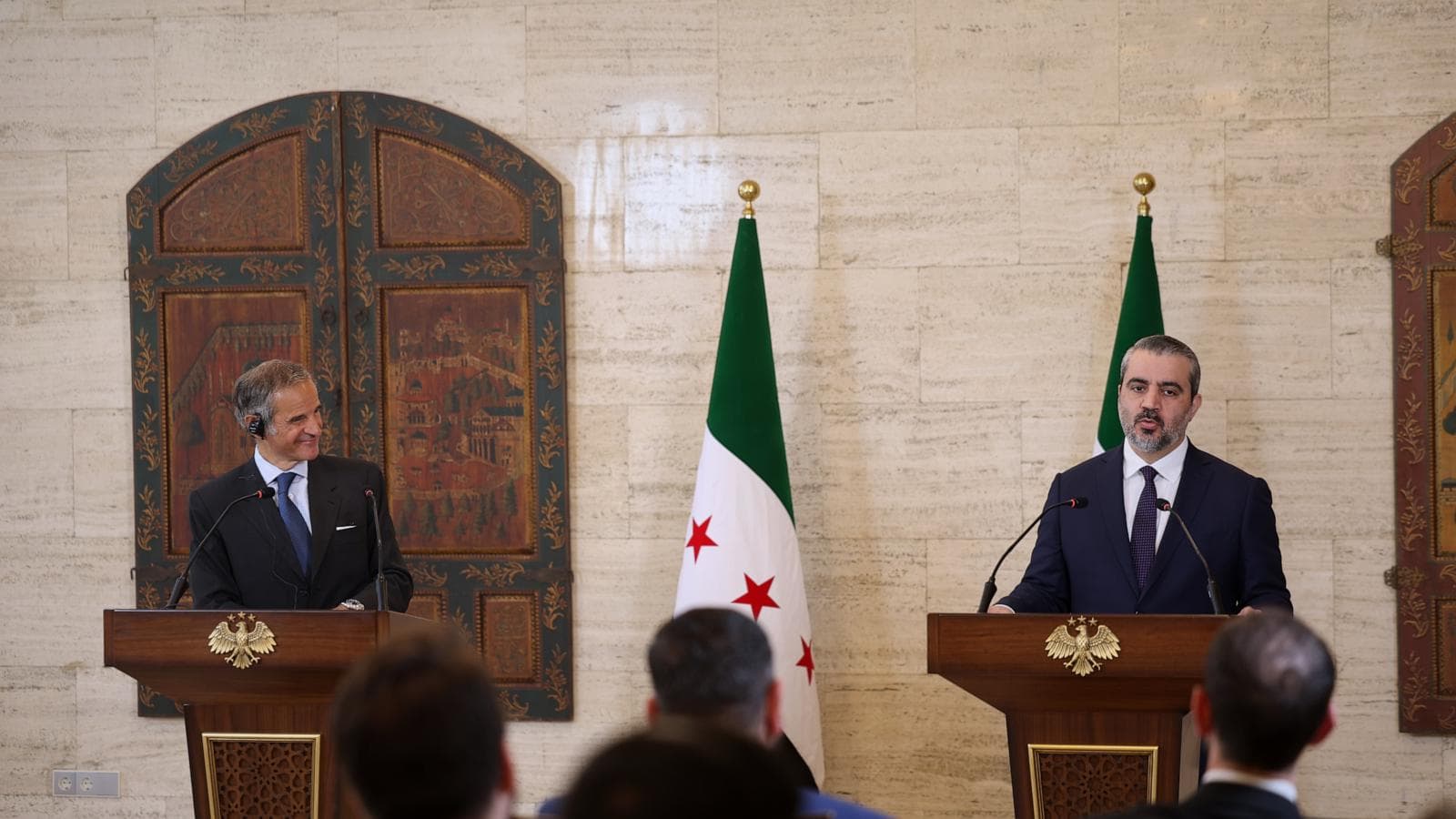
- IAEA Director General Rafael Grossi announced that a reactor in Syria was configured for nuclear weapons production.
- 73 tonnes of natural uranium metal were verified at the Deir el-Zour site, now under IAEA safeguards.
- Syria's new government has cooperated with the IAEA, allowing inspections and declaring additional nuclear sites.
The context you actually need
- Syria's nuclear history includes an undeclared program supported by North Korea, which was previously destroyed by an Israeli airstrike in 2007.
- Post-Assad cooperation with the IAEA began in December 2024, leading to recent inspections and the discovery of nuclear materials.
- IAEA safeguards now monitor the site, but the implications of a nuclear-capable reactor remain a serious concern for regional and global security.
What's really happening
The International Atomic Energy Agency (IAEA) has confirmed that a reactor in Syria, constructed during the Assad regime, is configured to produce fissile material suitable for nuclear weapons. This revelation comes after a series of inspections facilitated by Syria's new government, which has taken steps to cooperate with international nuclear oversight following the ousting of Bashar al-Assad in December 2024. The inspections, conducted in August 2026, revealed significant infrastructure consistent with a nuclear reactor, including cooling systems and 73 tonnes of natural uranium metal.
The reactor's configuration is particularly alarming because it indicates a capability for efficient production of fissile material, which could be directly used in nuclear weapons fabrication. The IAEA has placed this material under strict safeguards, including surveillance measures such as installed cameras, to prevent any unauthorized use. However, the IAEA's Director General Grossi emphasized that while the material is secured, the intentions behind the reactor's configuration cannot be definitively judged, marking it as a serious proliferation concern.
This situation is not just a technical issue; it has profound implications for regional stability and international relations. The historical context of Syria's nuclear ambitions, particularly its collaboration with North Korea, raises questions about the potential for nuclear arms development in a volatile region. The IAEA's findings underscore the importance of ongoing monitoring and verification to mitigate proliferation risks.
The new Syrian government's willingness to cooperate with the IAEA marks a significant shift from the previous regime's secrecy and defiance. By declaring additional nuclear sites and allowing inspections, the government is attempting to establish credibility and transparency on the international stage. However, the presence of a reactor capable of producing nuclear weapons material remains a critical concern for global security.
As the IAEA continues its monitoring efforts, the international community must remain vigilant. The implications of this reactor extend beyond Syria, potentially affecting diplomatic relations and security policies in the Middle East and beyond. Countries may need to reassess their strategies regarding nuclear non-proliferation and regional security alliances in light of these developments.
Who feels it first (and how)
- Governments: Nations in the Middle East may need to adjust their defense strategies and diplomatic relations.
- Energy Markets: Fluctuations in oil and gas prices could occur due to heightened geopolitical tensions.
- International Organizations: Increased scrutiny and pressure on the IAEA and other bodies to ensure compliance with non-proliferation treaties.
What to watch next
- IAEA Reports: Continued updates from the IAEA regarding inspections and findings at the Deir el-Zour site will be crucial for understanding the situation.
- Regional Diplomatic Responses: Watch for shifts in diplomatic relations among Middle Eastern countries as they react to the proliferation concerns.
- Market Reactions: Monitor energy market fluctuations that may arise from increased geopolitical tensions related to nuclear capabilities.
The reactor is configured for nuclear weapons production and contains 73 tonnes of natural uranium.
Increased international scrutiny and potential sanctions or diplomatic actions against Syria.
The long-term intentions of Syria's new government regarding nuclear capabilities and regional security dynamics.
Frequently Asked Questions
- Why it matters?
- This development highlights ongoing nuclear proliferation risks in the Middle East, potentially affecting geopolitical stability and energy markets.
- What happened (in 30 seconds)?
- IAEA Director General Rafael Grossi announced that a reactor in Syria was configured for nuclear weapons production. 73 tonnes of natural uranium metal were verified at the Deir el-Zour site, now under IAEA safeguards. Syria's new government has cooperated with the IAEA, allowing inspections and declaring additional nuclear sites.
- What's really happening?
- The International Atomic Energy Agency (IAEA) has confirmed that a reactor in Syria, constructed during the Assad regime, is configured to produce fissile material suitable for nuclear weapons. This revelation comes after a series of inspections facilitated by Syria's new government, which has taken steps to cooperate with international nuclear oversight following the ousting of Bashar al-Assad in December 2024. The inspections, conducted in August 2026, revealed significant infrastructure consi
- Who feels it first (and how)?
- Governments: Nations in the Middle East may need to adjust their defense strategies and diplomatic relations. Energy Markets: Fluctuations in oil and gas prices could occur due to heightened geopolitical tensions. International Organizations: Increased scrutiny and pressure on the IAEA and other bodies to ensure compliance with non-proliferation treaties.
- What to watch next?
- IAEA Reports: Continued updates from the IAEA regarding inspections and findings at the Deir el-Zour site will be crucial for understanding the situation. Regional Diplomatic Responses: Watch for shifts in diplomatic relations among Middle Eastern countries as they react to the proliferation concerns. Market Reactions: Monitor energy market fluctuations that may arise from increased geopolitical tensions related to nuclear capabilities.
Technology innovations, startups, and trends.
"ABC News delivers broad national coverage with a mainstream editorial stance, focusing on accessibility and balanced reporting."
— A47 Editor
Assad-era Syrian reactor was configured for nuclear weapons, IAEA chief says
The International Atomic Energy Agency (IAEA) has reported that Syria, under the leadership of Bashar Assad, was constructing a nuclear reactor designed to produce fissile material potentially for nuclear weapons. This revelation raises serious conce...
Global news coverage with extensive reporting on Middle Eastern conflicts and geopolitics.
"Al Jazeera is a Qatar-based broadcaster known for wide regional coverage and alternative perspectives."
— A47 Editor
Syria’s Assad-era reactor configured for nuclear weapons: IAEA
The International Atomic Energy Agency (IAEA) has reported that a nuclear reactor built during Bashar al-Assad's regime in Syria was configured for nuclear weapons production, with materials from the facility now under IAEA safeguards following its b...
Comprehensive coverage of Middle Eastern and global issues.
"Al Jazeera is a prominent voice from the Global South, especially the Middle East, with an emphasis on underreported stories."
— A47 Editor
Syria’s Assad-era reactor configured for nuclear weapons: IAEA
The International Atomic Energy Agency (IAEA) has reported that a nuclear reactor built during Bashar al-Assad's regime in Syria was configured for nuclear weapons production, with materials from the facility now under IAEA safeguards following its b...
International coverage from The Guardian's global desks.
"The Guardian is known for its progressive editorial stance and in-depth analysis."
— A47 Editor
Syrian reactor could have been used for nuclear weapons if completed, UN says
The chief of the UN nuclear watchdog, the International Atomic Energy Agency (IAEA), has revealed that a nearly completed nuclear reactor built in Syria during Bashar al-Assad's regime could have produced fissile material for nuclear weapons. Inspect...
Regional coverage and analysis focused on politics, diplomacy, and business across the Middle East.
"Al-Monitor is known for analytical reporting on Middle East politics and policy developments."
— A47 Editor
Secret Assad-era Syrian nuclear reactor was almost complete: UN
The International Atomic Energy Agency (IAEA) reported that a nearly complete nuclear reactor, built secretly during Bashar al-Assad's regime in Syria, was capable of producing nuclear weapons material. Recent inspections in Deir Ezzor and another un...
Regional coverage and analysis focused on politics, diplomacy, and business across the Middle East.
"Al-Monitor is known for analytical reporting on Middle East politics and policy developments."
— A47 Editor
Syrian nuclear reactor could have been useful for weapons, IAEA chief says
The International Atomic Energy Agency (IAEA) chief Rafael Grossi stated that a nuclear reactor in Syria, nearly completed in 2007 before its destruction by Israeli jets, was capable of producing fissile material for nuclear weapons. This revelation ...