
Iran's IRGC Attacks Vessels and Expands Maritime Prohibited Zone in Gulf of Oman
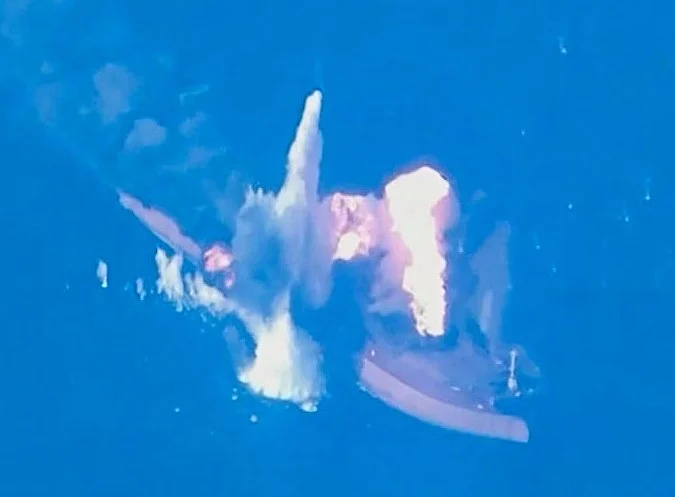
Here's what it means for you.
Rising oil prices and shipping disruptions could directly impact your energy costs and supply chain stability.
Why it matters
The escalation in the Strait of Hormuz threatens global energy supplies, affecting markets and consumers worldwide.
What happened (in 30 seconds)
- Iran's IRGC attacked over a dozen vessels, including two US ships and eight oil tankers, on September 9, 2026.
- A new prohibited maritime zone was announced, extending into the Gulf of Oman and Arabian Sea, heightening risks for shipping.
- Oil prices surged above $100 per barrel, closing at $101.21, reflecting market anxiety over supply disruptions.
The context you actually need
- Ongoing US-Iran conflict: The maritime strikes are part of a broader conflict that began in February 2026, following US-Israeli military actions against Iran.
- Control over the Strait of Hormuz: Iran has enforced strict control over this critical waterway, requiring vessels to pay transit fees and obtain permission.
- International diplomatic pressure: The IAEA has referred Iran to the UN Security Council for nuclear non-compliance, adding to the geopolitical tension.
What's really happening
On September 9, 2026, the Iranian Islamic Revolutionary Guard Corps (IRGC) executed a series of maritime strikes that targeted multiple vessels in the strategically vital Strait of Hormuz. This incident is not an isolated event but rather a significant escalation in the ongoing conflict between the United States and Iran, which has been intensifying since February 2026. The IRGC's actions included attacks on two US vessels and eight oil tankers, alongside ten other ships deemed non-compliant with Iranian regulations.
The IRGC simultaneously announced an expansion of its "prohibited zone," which now extends into the Gulf of Oman and Arabian Sea. This move is a direct response to previous US military actions, including the destruction of Iranian oil tankers. The Iranian government has framed its military actions as self-defense, linking them to broader geopolitical demands such as the withdrawal of US forces from Lebanon and the cessation of the blockade on Yemen.
The implications of these maritime strikes are profound. The Strait of Hormuz is a critical chokepoint for global oil and liquefied natural gas (LNG) trade, with approximately one-fifth of the world's oil passing through this narrow passage. The IRGC's actions have already led to a spike in oil prices, with Brent crude closing at $101.21 per barrel, reflecting market fears of supply disruptions. This price increase is likely to have cascading effects on global energy markets, impacting everything from transportation costs to consumer prices.
Moreover, the ongoing conflict has created a precarious environment for shipping companies and traders operating in the region. The UK Maritime Trade Operations (UKMTO) reported that several vessels were subjected to disabling fire, raising concerns about the safety of maritime operations in these waters. As Iran continues to assert its control over the Strait of Hormuz, the risk of further military confrontations remains high, potentially leading to more severe disruptions in global energy supplies.
Who feels it first (and how)
- Shipping companies: Increased insurance costs and operational risks in the Gulf region.
- Energy consumers: Higher fuel prices affecting transportation and heating costs.
- Businesses reliant on oil: Increased operational costs for industries dependent on oil and gas.
- Investors in energy markets: Volatility in oil prices impacting investment strategies and returns.
What to watch next
- Oil price fluctuations: Monitor Brent crude prices for signs of sustained volatility, which could indicate ongoing supply risks.
- Military responses: Watch for potential US military actions in response to Iranian provocations, which could escalate tensions further.
- Diplomatic negotiations: Keep an eye on international diplomatic efforts aimed at de-escalating the conflict, particularly involving the IAEA and UN Security Council.
Oil prices have surged above $100 per barrel following the attacks.
Continued military tensions in the region will lead to further disruptions in maritime trade.
The long-term impact on global energy supply chains and consumer prices remains uncertain.
Frequently Asked Questions
- Why it matters?
- The escalation in the Strait of Hormuz threatens global energy supplies, affecting markets and consumers worldwide.
- What happened (in 30 seconds)?
- Iran's IRGC attacked over a dozen vessels, including two US ships and eight oil tankers, on September 9, 2026. A new prohibited maritime zone was announced, extending into the Gulf of Oman and Arabian Sea, heightening risks for shipping. Oil prices surged above $100 per barrel, closing at $101.21, reflecting market anxiety over supply disruptions.
- What's really happening?
- On September 9, 2026, the Iranian Islamic Revolutionary Guard Corps (IRGC) executed a series of maritime strikes that targeted multiple vessels in the strategically vital Strait of Hormuz. This incident is not an isolated event but rather a significant escalation in the ongoing conflict between the United States and Iran, which has been intensifying since February 2026. The IRGC's actions included attacks on two US vessels and eight oil tankers, alongside ten other ships deemed non-compliant wit
- Who feels it first (and how)?
- Shipping companies: Increased insurance costs and operational risks in the Gulf region. Energy consumers: Higher fuel prices affecting transportation and heating costs. Businesses reliant on oil: Increased operational costs for industries dependent on oil and gas. Investors in energy markets: Volatility in oil prices impacting investment strategies and returns.
- What to watch next?
- Oil price fluctuations: Monitor Brent crude prices for signs of sustained volatility, which could indicate ongoing supply risks. Military responses: Watch for potential US military actions in response to Iranian provocations, which could escalate tensions further. Diplomatic negotiations: Keep an eye on international diplomatic efforts aimed at de-escalating the conflict, particularly involving the IAEA and UN Security Council.
UAE-based newspaper covering Gulf politics, society, and international developments.
"Gulf News is one of the UAE’s most prominent English-language publications."
— A47 Editor
Iran strikes ships, expands no-go zone outside Hormuz strait
Iran has intensified its military actions in the Strait of Hormuz, striking over a dozen vessels and expanding a no-go zone, a move that escalates tensions in this critical maritime corridor. This follows a series of confrontations with the United St...
A curated Gulf News feed featuring major stories across news, business, opinion, and lifestyle.
"Gulf News is a major UAE newspaper whose featured stories feed reflects a broad editorial mix shaped for a Gulf audience."
— A47 Editor
Iran strikes ships, expands no-go zone outside Hormuz strait
Iran has intensified its military actions in the Strait of Hormuz, striking over a dozen vessels and expanding a no-go zone, a move that escalates tensions in this critical maritime corridor. This follows a series of confrontations with the United St...
24/7 international news from a French perspective in multiple languages.
"France 24 is viewed as a globally focused outlet with balanced coverage and a European perspective."
— A47 Editor
Iran strikes ships, expands no-go zone outside Hormuz strait
Iran has launched attacks on over a dozen vessels in the Strait of Hormuz and expanded a no-go zone in the area, intensifying its blockade of this critical maritime corridor. This escalation follows months of heightened tensions with the United State...
European coverage of Middle East politics and security issues.
"France 24 offers international reporting with a European editorial perspective."
— A47 Editor
Iran strikes ships, expands no-go zone outside Hormuz strait
Iran has launched attacks on over a dozen vessels in the Strait of Hormuz and expanded a no-go zone in the area, intensifying its blockade of this critical maritime corridor. This escalation follows months of heightened tensions with the United State...
Comprehensive coverage of Middle Eastern and global issues.
"Al Jazeera is a prominent voice from the Global South, especially the Middle East, with an emphasis on underreported stories."
— A47 Editor
Oil prices surge as US-Iran strikes intensify in Strait of Hormuz
Oil prices have surged to six-week highs due to escalating military strikes between the United States and Iran in the strategically vital Strait of Hormuz, a critical maritime corridor for global oil transport. The recent hostilities have disrupted t...
Global news coverage with extensive reporting on Middle Eastern conflicts and geopolitics.
"Al Jazeera is a Qatar-based broadcaster known for wide regional coverage and alternative perspectives."
— A47 Editor
Oil prices surge as US-Iran strikes intensify in Strait of Hormuz
Oil prices have surged to six-week highs due to escalating military strikes between the United States and Iran in the strategically vital Strait of Hormuz, a critical maritime corridor for global oil transport. The recent hostilities have disrupted t...
English-language reporting on Saudi politics, policy, and society.
"Saudi Gazette reflects mainstream Saudi institutional perspectives."
— A47 Editor
Iran plans maritime exclusion zone near Strait of Hormuz after US strikes on tankers
Iran has announced plans to establish a maritime exclusion zone near the Strait of Hormuz, following recent U.S. military strikes on three Iranian oil tankers. The zone will reportedly extend from the U.S. Navy's existing blockade into the Arabian Gu...
UAE-based English-language newspaper covering regional politics, economics, and global affairs.
"The National reflects Emirati policy perspectives while maintaining international editorial standards."
— A47 Editor
Iran war latest: Tehran says it will act against vessels beyond Strait of Hormuz
Iran has declared its intention to take action against vessels operating beyond the Strait of Hormuz, a vital maritime corridor, amid rising tensions in the region. This announcement follows a series of military confrontations, including recent U.S. ...