
Iran and Oman Establish New Navigation Framework in Strait of Hormuz
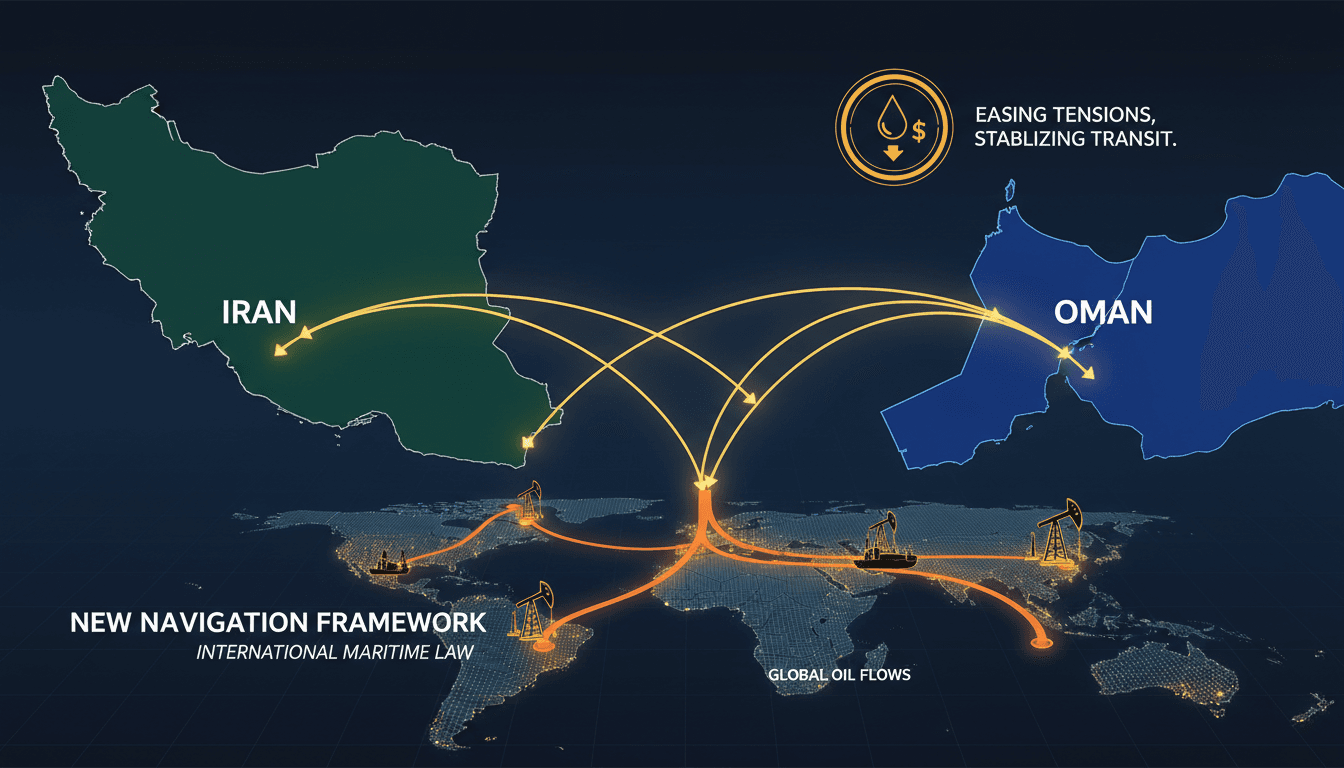
Here's what it means for you.
If you rely on global oil markets, this agreement could impact fuel prices and supply chains.
Why it matters
The Strait of Hormuz is a critical chokepoint for global oil transit, affecting energy prices and regional stability.
What happened (in 30 seconds)
- Iran and Oman finalized a navigation framework for the Strait of Hormuz, announced by President Masoud Pezeshkian on September 14, 2026.
- New entry and exit routes were established, primarily within Iranian waters, while the southern route remains closed pending broader regional conditions.
- Oil prices surged over 2% following the announcement, reflecting ongoing market uncertainty.
The context you actually need
- The Strait of Hormuz is vital for global oil transport, with approximately 20 million barrels per day passing through, accounting for about 20% of global petroleum consumption.
- Tensions between the U.S. and Iran have led to significant disruptions in maritime operations, including attacks on commercial vessels and naval blockades since early 2026.
- Iran's conditions for reopening the southern route hinge on the cessation of U.S. military and economic actions, complicating the regional maritime landscape.
What's really happening
The recent agreement between Iran and Oman marks a significant step in addressing the ongoing maritime tensions in the Strait of Hormuz, a critical artery for global oil transport. The framework establishes new navigation routes, primarily within Iranian territorial waters, which could facilitate safer passage for vessels if certain conditions are met. This development comes amid a backdrop of heightened tensions, including attacks on commercial shipping and U.S. sanctions against Iran.
The northern entry route, entirely within Iranian waters, is now officially recognized, while the southern route remains closed until broader regional issues are resolved. This strategic positioning allows Iran to exert control over maritime traffic, potentially increasing its leverage in negotiations with the U.S. and other regional players. The agreement was presented at a ministerial meeting in Oman, attended by representatives from Gulf states and Iraq, emphasizing a collective approach to maritime security.
However, the agreement does not guarantee immediate reopening of the strait or the southern route. Instead, it lays the groundwork for future navigation under international maritime law, contingent on the cessation of U.S. actions against Iran. This conditionality reflects Iran's broader strategy to navigate the geopolitical landscape while maintaining its interests in the region.
The implications of this agreement extend beyond immediate navigation concerns. With oil prices already exceeding $107 per barrel, the potential for increased volatility in global markets looms large. Dubai residents, in particular, may feel the pinch as elevated oil prices impact fuel costs and supply chain logistics. The strait's role in global oil flows means that any disruptions or changes in navigation routes can have cascading effects on energy security and economic stability.
As the situation evolves, the international community will be closely monitoring Iran's compliance with the terms of the agreement and the U.S.'s response to these developments. The interplay between regional diplomacy and maritime security will be crucial in shaping the future of oil transit through this vital waterway.
Who feels it first (and how)
- Oil traders and investors: Fluctuations in oil prices directly impact their profits and investment strategies.
- Shipping companies: Changes in navigation routes affect operational costs and logistics planning.
- Consumers in Dubai: Increased fuel prices may lead to higher costs for goods and services.
- Regional governments: Economic stability and energy security are at stake, influencing policy decisions.
What to watch next
- U.S. policy changes: Any shifts in U.S. military or economic actions against Iran could directly affect the agreement's viability.
- Market reactions: Continued fluctuations in oil prices will signal market confidence in the stability of the Strait of Hormuz.
- Regional diplomatic efforts: Ongoing discussions among Gulf states and Iraq may lead to further agreements or tensions that impact maritime navigation.
The agreement establishes new navigation routes in the Strait of Hormuz.
Oil prices will remain volatile as markets react to geopolitical developments.
The long-term impact of this agreement on U.S.-Iran relations and regional stability.
Frequently Asked Questions
- Why it matters?
- The Strait of Hormuz is a critical chokepoint for global oil transit, affecting energy prices and regional stability.
- What happened (in 30 seconds)?
- Iran and Oman finalized a navigation framework for the Strait of Hormuz, announced by President Masoud Pezeshkian on September 14, 2026. New entry and exit routes were established, primarily within Iranian waters, while the southern route remains closed pending broader regional conditions. Oil prices surged over 2% following the announcement, reflecting ongoing market uncertainty.
- What's really happening?
- The recent agreement between Iran and Oman marks a significant step in addressing the ongoing maritime tensions in the Strait of Hormuz, a critical artery for global oil transport. The framework establishes new navigation routes, primarily within Iranian territorial waters, which could facilitate safer passage for vessels if certain conditions are met. This development comes amid a backdrop of heightened tensions, including attacks on commercial shipping and U.S. sanctions against Iran. The nor
- Who feels it first (and how)?
- Oil traders and investors: Fluctuations in oil prices directly impact their profits and investment strategies. Shipping companies: Changes in navigation routes affect operational costs and logistics planning. Consumers in Dubai: Increased fuel prices may lead to higher costs for goods and services. Regional governments: Economic stability and energy security are at stake, influencing policy decisions.
- What to watch next?
- U.S. policy changes: Any shifts in U.S. military or economic actions against Iran could directly affect the agreement's viability. Market reactions: Continued fluctuations in oil prices will signal market confidence in the stability of the Strait of Hormuz. Regional diplomatic efforts: Ongoing discussions among Gulf states and Iraq may lead to further agreements or tensions that impact maritime navigation.
Arabic-language coverage of Saudi, regional, and international affairs.
"Al Bilad offers mainstream Saudi newspaper coverage across domestic and broader Arab topics."
— A47 Editor
عقد اجتماع وزاري اليوم.. بزشكيان: تفاهم إيراني – عماني بشأن مسارات الملاحة في «هرمز»
Iranian President Masoud Bezhakian announced a new understanding with Oman regarding navigation routes in the Strait of Hormuz, revealing that both sides have agreed on new entry and exit pathways to the strait. This agreement, reported by the Tasnim...
Arabic-language coverage of international news and geopolitics.
"RT Arabic is a Russian state-funded outlet often criticized for promoting Kremlin-aligned narratives."
— A47 Editor
وفد إيراني سيبحث في مسـقط الاتفاق على مسـار جديد للملاحة في هرمز وسط رفض دول عربية حضور الاجتماعات
Iranian President Masoud Bezhakian announced that the country has reached agreements with Oman regarding a specific framework for navigation in the Strait of Hormuz. This development comes amid the refusal of several Arab countries to attend the disc...
Jordanian news and regional updates.
"Roya News is a Jordanian outlet focused on breaking news and local affairs."
— A47 Editor
إعلام إيراني: مضيق هرمز لن يُعاد فتحه والتفاهم الإيراني العُماني يحدد مسارات جديدة للعبور
Iranian media reported that the Strait of Hormuz will not be reopened, as an informed source indicated that the Iranian-Omani understanding is establishing new pathways for maritime transit. This development was conveyed by the Tasnim news agency on ...
Arabic-language coverage of international news and geopolitics.
"RT Arabic is a Russian state-funded outlet often criticized for promoting Kremlin-aligned narratives."
— A47 Editor
إيران ودول الخليج تبحث الملاحة في مضيق هرمز الاثنين المقبل
Iran is set to participate in a meeting of Gulf foreign ministers in Oman next Monday, where regional issues and the outcomes of Iranian-Omani negotiations regarding the security of navigation in the Strait of Hormuz will be discussed.