
FBI and Coast Guard Investigate Cyberattacks on Texas-Bound Oil Tankers Linked to Iran
Why it matters
The incidents highlight the increasing threat of cyber warfare targeting critical maritime infrastructure, which could disrupt global energy markets.
What happened (in 30 seconds)
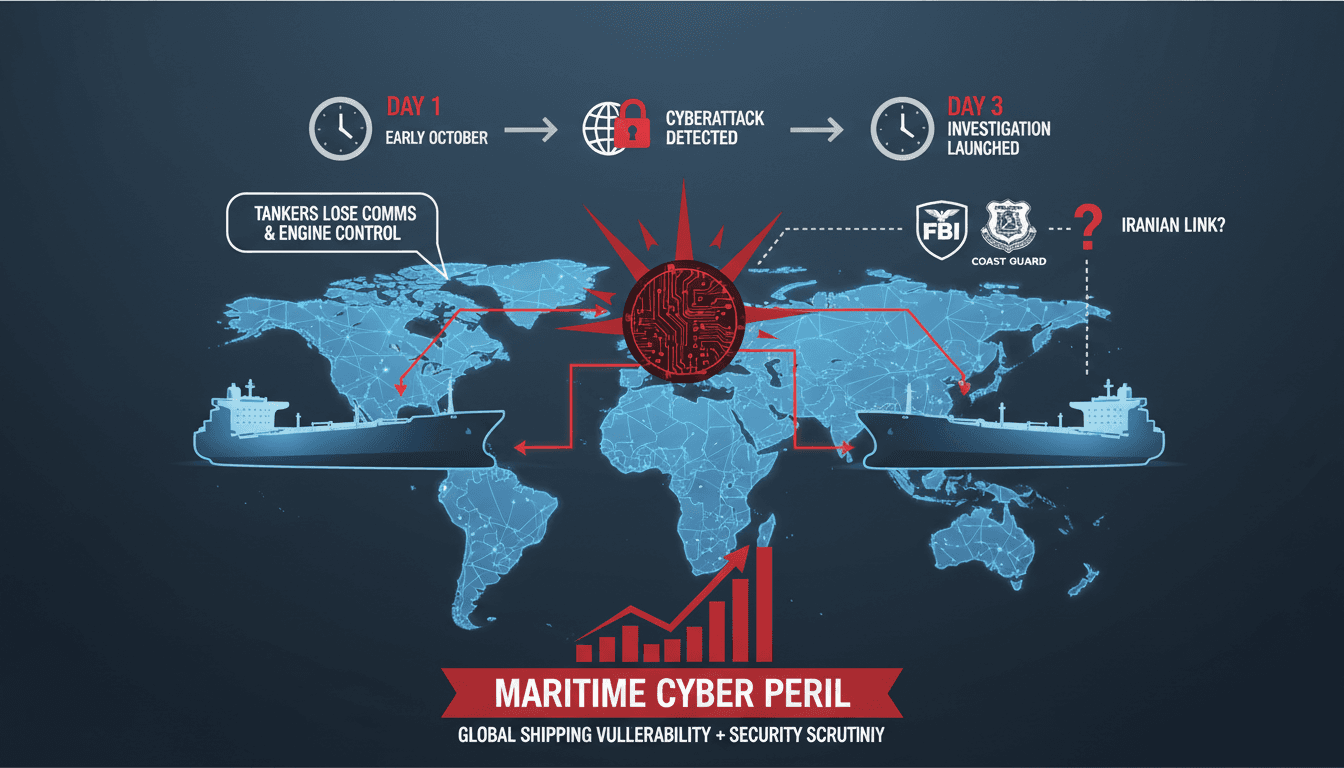
- Two oil tankers bound for Texas ports were attacked by cyber intruders, disabling communications and engine systems.
- FBI and Coast Guard boarded the vessels to investigate potential Iranian involvement, confirming malicious cyber activity.
- No operational disruptions or environmental damage occurred, but investigations are ongoing without public attribution.
The context you actually need
- Heightened U.S.-Iran tensions have led to increased scrutiny of maritime cyber threats, particularly against energy infrastructure.
- Previous Iranian-linked cyber operations have targeted maritime assets, raising alarms about the security of global shipping routes.
- The VL Prosperity, carrying 2.3 million barrels of crude oil, experienced a significant breach, showcasing vulnerabilities in vessel IT and operational technology systems.
What's really happening
In August 2026, two foreign-flagged oil tankers, the VL Prosperity and Kohaku, were subjected to cyberattacks while en route to Texas ports. The VL Prosperity, carrying a substantial cargo of crude oil from Egypt, experienced a communications blackout for approximately 30 hours, during which its engine systems were compromised. The Kohaku faced similar issues, raising concerns about the security of maritime operations in a region already fraught with geopolitical tensions.
The FBI and U.S. Coast Guard responded by boarding both vessels to assess the situation and secure the ships. Their investigations revealed that the attacks were not merely technical failures but deliberate acts of cyber intrusion aimed at disrupting maritime operations. U.S. officials are currently exploring potential links to Iran or Iran-aligned actors, although no group has claimed responsibility for the attacks. The Cybersecurity and Infrastructure Security Agency (CISA) characterized the incidents as potentially opportunistic, indicating that the attackers may have exploited existing vulnerabilities rather than executing a coordinated campaign.
The implications of these cyberattacks extend beyond the immediate operational concerns. They underscore a growing trend of cyber warfare targeting critical infrastructure, particularly in the maritime sector. As global tensions rise, the potential for similar attacks increases, posing risks not only to shipping companies but also to consumers who rely on stable energy supplies. The absence of significant operational disruptions or environmental damage in this instance may provide a temporary sense of security, but the underlying vulnerabilities remain.
Moreover, the lack of public attribution complicates the response strategies for affected nations and industries. Without clear accountability, the risk of retaliation or preemptive measures may escalate, further destabilizing maritime security. The incidents serve as a wake-up call for stakeholders in the energy sector, urging them to bolster their cybersecurity measures and prepare for potential disruptions in the future.
Who feels it first (and how)
- Shipping companies: Increased scrutiny and potential costs for enhanced cybersecurity measures.
- Energy sector: Possible fluctuations in oil prices due to perceived risks in supply chains.
- Consumers: Potential impacts on fuel prices and availability as companies adjust to new security protocols.
- Governments: Heightened focus on cybersecurity policies and international maritime security collaborations.
What to watch next
- Increased cybersecurity investments: Companies in the maritime and energy sectors may ramp up spending on cybersecurity to mitigate risks.
- Geopolitical developments: Watch for changes in U.S.-Iran relations that could influence maritime security and cyber threats.
- Regulatory responses: Anticipate new regulations or guidelines from governments aimed at enhancing maritime cybersecurity protocols.
Two oil tankers were attacked, and investigations are ongoing.
Cybersecurity measures in the maritime sector will be strengthened in response to these incidents.
The specific actors behind the attacks and their future intentions remain unknown.
Frequently Asked Questions
- Why it matters?
- The incidents highlight the increasing threat of cyber warfare targeting critical maritime infrastructure, which could disrupt global energy markets.
- What happened (in 30 seconds)?
- Two oil tankers bound for Texas ports were attacked by cyber intruders, disabling communications and engine systems. FBI and Coast Guard boarded the vessels to investigate potential Iranian involvement, confirming malicious cyber activity. No operational disruptions or environmental damage occurred, but investigations are ongoing without public attribution.
- What's really happening?
- In August 2026, two foreign-flagged oil tankers, the VL Prosperity and Kohaku, were subjected to cyberattacks while en route to Texas ports. The VL Prosperity, carrying a substantial cargo of crude oil from Egypt, experienced a communications blackout for approximately 30 hours, during which its engine systems were compromised. The Kohaku faced similar issues, raising concerns about the security of maritime operations in a region already fraught with geopolitical tensions. The FBI and U.S. Coas
- Who feels it first (and how)?
- Shipping companies: Increased scrutiny and potential costs for enhanced cybersecurity measures. Energy sector: Possible fluctuations in oil prices due to perceived risks in supply chains. Consumers: Potential impacts on fuel prices and availability as companies adjust to new security protocols. Governments: Heightened focus on cybersecurity policies and international maritime security collaborations.
- What to watch next?
- Increased cybersecurity investments: Companies in the maritime and energy sectors may ramp up spending on cybersecurity to mitigate risks. Geopolitical developments: Watch for changes in U.S.-Iran relations that could influence maritime security and cyber threats. Regulatory responses: Anticipate new regulations or guidelines from governments aimed at enhancing maritime cybersecurity protocols.
Consumer tech news, reviews, and buying guides for gadgets and electronics.
"TechRadar is known for comprehensive buying advice, hardware reviews, and consumer tech news targeted at mainstream audiences."
— A47 Editor
FBI confirms two Texas-bound oil tankers hit by hackers who disabled coms and put the engines into overdrive — and Iran is possibly to blame
The FBI has confirmed that two oil tankers bound for Texas were targeted by hackers who disabled their communications and accelerated their engines, with indications that Iranian cyber actors may be responsible for the attack. The FBI boarded at leas...
Startup news with frequent AI coverage.
"Covers launches, funding, and product updates in AI."
— A47 Editor
FBI, Coast Guard boarded hacked oil tankers heading toward US coast
The FBI and Coast Guard have boarded oil tankers that were reportedly hacked while en route to the US coast, with investigations focusing on compromised navigation and propulsion systems. This incident raises concerns about maritime cybersecurity and...
U.S. business news, corporate developments, and economy.
"The Wall Street Journal is respected for deep financial and economic reporting with a center-right editorial perspective."
— A47 Editor
U.S. Probes Iran Link to Cyberattacks on Texas-Bound Energy Tankers
The U.S. is investigating potential links between Iran and recent cyberattacks on energy tankers bound for Texas, which occurred in the Strait of Gibraltar. These incidents raise concerns about maritime security and the safety of energy supplies head...
Global political, business, and cultural coverage from WSJ international desks.
"The Wall Street Journal offers extensive international reporting with a reputation for financial insight and a center-right editorial stance."
— A47 Editor
U.S. Probes Iran Link to Cyberattacks on Texas-Bound Energy Tankers
The U.S. is investigating potential links between Iran and recent cyberattacks targeting energy tankers bound for Texas, which occurred in the Strait of Gibraltar. These attacks have raised concerns about maritime security and the safety of energy su...