
US Envoys Engage in Indirect Ceasefire Talks with Iran in Pakistan
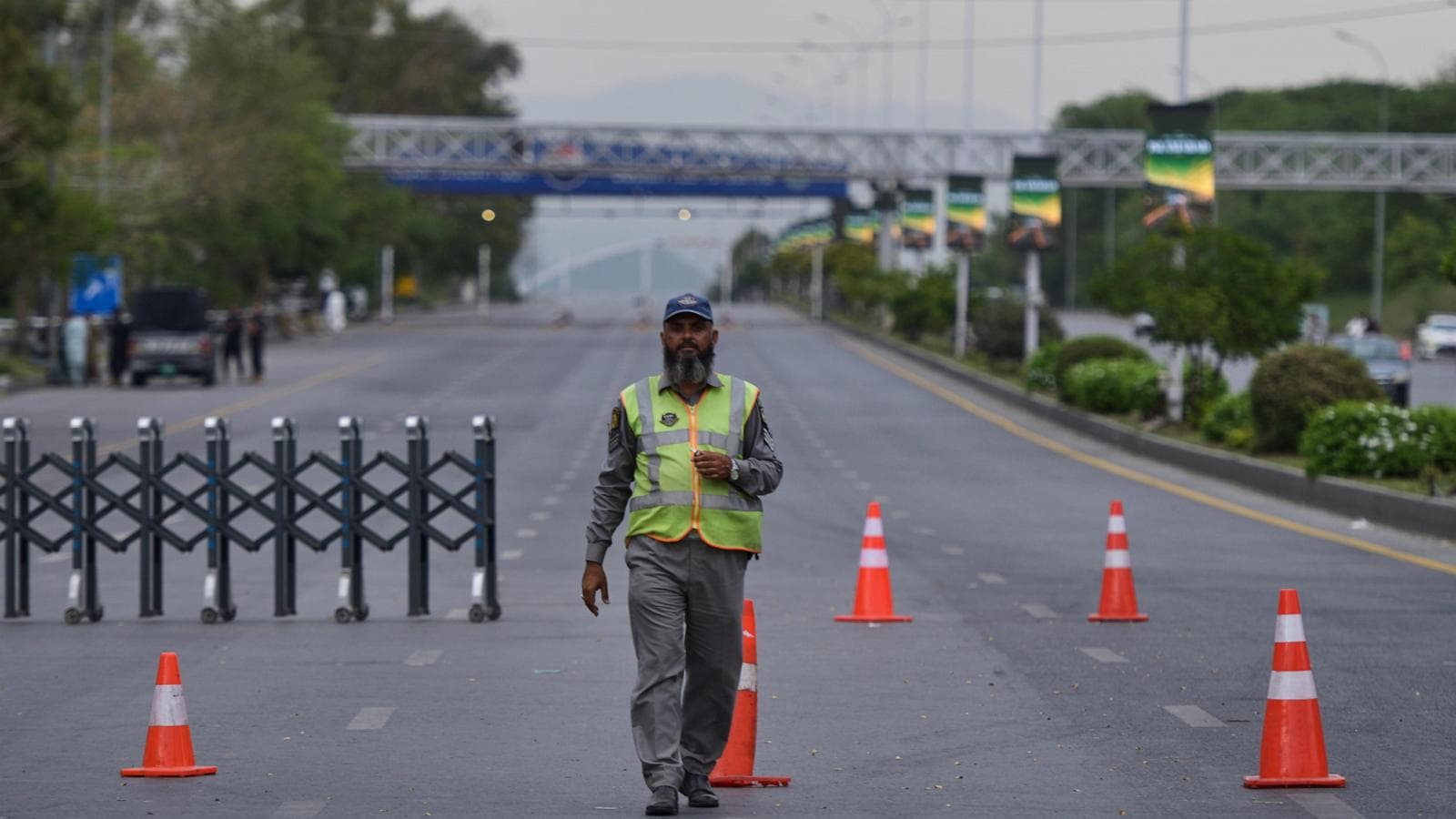
Here's what it means for you.
The outcome of these negotiations could significantly impact global oil prices and economic stability.
Why it matters
The ongoing Iran War and its associated disruptions are straining global energy markets, affecting prices and availability.
What happened (in 30 seconds)
- On April 25, 2026, U.S. President Donald Trump sent envoys Steve Witkoff and Jared Kushner to Islamabad for indirect ceasefire negotiations with Iran.
- Iran's Foreign Minister, Abbas Araghchi, ruled out direct talks, emphasizing the need for mediation through Pakistan.
- Economic pressures are mounting due to rising oil prices and shipping blockades, highlighting the urgency for diplomatic solutions.
The context you actually need
- The 2026 Iran War began on February 28, following the collapse of indirect talks regarding Iran's nuclear program, leading to military operations by the U.S. and Israel.
- The Strait of Hormuz, a critical shipping route for oil, has been closed by Iran, causing significant disruptions in global oil supply and contributing to a 50% increase in Brent crude prices since the war's onset.
- Pakistan's role as a mediator has become crucial, hosting previous rounds of talks and facilitating communication between the U.S. and Iran amid escalating regional tensions.
What's really happening
The U.S. envoys' deployment to Islamabad represents a strategic pivot in the ongoing Iran War, which has escalated since February 2026. The war's initiation followed the breakdown of negotiations in Geneva, where U.S. and Iranian officials failed to reach an agreement on Iran's nuclear activities. This failure prompted military actions from both the U.S. and Israel, leading to Iran's closure of the Strait of Hormuz, a vital artery for global oil transport. The closure has resulted in a significant spike in oil prices, with Brent crude rising approximately 50% since the conflict began.
The urgency for a ceasefire is underscored by the economic ramifications of the war. Elevated oil prices are not just a concern for energy markets; they ripple through global economies, affecting everything from inflation rates to consumer spending. The U.S. administration's decision to extend the Jones Act waiver by 90 days aims to mitigate domestic energy shortages, reflecting the administration's recognition of the war's impact on American consumers and businesses.
Pakistan's mediation role is pivotal, as it seeks to facilitate indirect talks between the U.S. and Iran. The Pakistani government has already hosted earlier rounds of discussions, although they yielded no concrete agreements. The current diplomatic efforts are critical in light of the failed Geneva talks and the ongoing military actions that have escalated tensions in the region. The involvement of high-profile envoys like Witkoff and Kushner signals the seriousness of the U.S. approach to resolving the conflict, even if direct negotiations remain off the table.
As the situation unfolds, the implications for global oil markets are profound. The disruptions in the Strait of Hormuz, which accounts for a significant portion of the world's oil transit, have already led to increased prices and volatility. The potential for a ceasefire, even if indirect, could stabilize these markets and provide some relief to consumers and businesses alike. However, the path to peace is fraught with challenges, as Iran's insistence on indirect communication complicates the negotiation landscape.
Who feels it first (and how)
- Energy sector: Companies reliant on stable oil prices face increased costs and potential supply chain disruptions.
- Consumers: Rising fuel prices directly impact household budgets, leading to higher costs for transportation and goods.
- Migrant workers in Dubai: Economic contraction and reduced tourism due to oil price spikes may lead to furloughs and pay cuts in the hospitality sector.
- Global markets: Investors in commodities and energy stocks will experience volatility based on the outcomes of these negotiations.
What to watch next
- Oil price fluctuations: Monitor Brent crude prices for signs of stabilization or further increases, which will indicate market reactions to the negotiations.
- Diplomatic developments: Keep an eye on statements from U.S. and Iranian officials regarding the progress of the indirect talks, as they will shape future negotiations.
- Regional stability: Watch for any escalations in military actions or retaliatory measures from Iran or its allies, which could derail diplomatic efforts.
The U.S. is pursuing indirect negotiations to achieve a ceasefire in the Iran War.
Economic pressures will continue to influence the urgency of diplomatic efforts and the stability of oil prices.
The effectiveness of Pakistan's mediation and whether it can lead to a lasting ceasefire remains uncertain.
Frequently Asked Questions
- Why it matters?
- The ongoing Iran War and its associated disruptions are straining global energy markets, affecting prices and availability.
- What happened (in 30 seconds)?
- On April 25, 2026, U.S. President Donald Trump sent envoys Steve Witkoff and Jared Kushner to Islamabad for indirect ceasefire negotiations with Iran. Iran's Foreign Minister, Abbas Araghchi, ruled out direct talks, emphasizing the need for mediation through Pakistan. Economic pressures are mounting due to rising oil prices and shipping blockades, highlighting the urgency for diplomatic solutions.
- What's really happening?
- The U.S. envoys' deployment to Islamabad represents a strategic pivot in the ongoing Iran War, which has escalated since February 2026. The war's initiation followed the breakdown of negotiations in Geneva, where U.S. and Iranian officials failed to reach an agreement on Iran's nuclear activities. This failure prompted military actions from both the U.S. and Israel, leading to Iran's closure of the Strait of Hormuz, a vital artery for global oil transport. The closure has resulted in a significa
- Who feels it first (and how)?
- Energy sector: Companies reliant on stable oil prices face increased costs and potential supply chain disruptions. Consumers: Rising fuel prices directly impact household budgets, leading to higher costs for transportation and goods. Migrant workers in Dubai: Economic contraction and reduced tourism due to oil price spikes may lead to furloughs and pay cuts in the hospitality sector. Global markets: Investors in commodities and energy stocks will experience volatility based on the outcomes of th
- What to watch next?
- Oil price fluctuations: Monitor Brent crude prices for signs of stabilization or further increases, which will indicate market reactions to the negotiations. Diplomatic developments: Keep an eye on statements from U.S. and Iranian officials regarding the progress of the indirect talks, as they will shape future negotiations. Regional stability: Watch for any escalations in military actions or retaliatory measures from Iran or its allies, which could derail diplomatic efforts.
UAE-based English-language newspaper covering regional politics, economics, and global affairs.
"The National reflects Emirati policy perspectives while maintaining international editorial standards."
— A47 Editor
Iran war latest: ‘Open the strait. Let ships pass’, appeals UN chief
UN Secretary-General Antonio Guterres has called for the opening of the Strait of Hormuz to allow ships to pass freely, amid escalating tensions in the region. This appeal comes as Iranian Foreign Minister Abbas Araghchi engages in diplomatic discuss...
Regional coverage and analysis focused on politics, diplomacy, and business across the Middle East.
"Al-Monitor is known for analytical reporting on Middle East politics and policy developments."
— A47 Editor
US negotiators to go to Islamabad, but Iran says no direct talks
U.S. negotiators, including special envoy Steve Witkoff and Jared Kushner, are set to travel to Islamabad for discussions with Iranian Foreign Minister Abbas Araqchi. However, Iran has stated that its officials do not plan to engage in direct talks r...
International stories from NPR’s global desk.
"NPR is an American public media organization known for thoughtful reporting and a slightly left-leaning editorial tone."
— A47 Editor
Iran's foreign minister leaves Pakistan, then Trump cancels U.S. delegation's travel
Iran's Foreign Minister Abbas Araghchi departed Islamabad after a visit, leading President Trump to cancel the planned travel of U.S. envoys Steve Witkoff and Jared Kushner to Pakistan for peace talks with Iran. This decision was made shortly after A...
Public radio coverage of American news and issues.
"NPR is an American public media organization known for thoughtful reporting and a slightly left-leaning editorial tone."
— A47 Editor
Iran's foreign minister leaves Pakistan, then Trump cancels U.S. delegation's travel
Iran's Foreign Minister Abbas Araghchi departed Islamabad after a visit, leading President Trump to cancel the planned travel of U.S. envoys Steve Witkoff and Jared Kushner to Pakistan for peace talks with Iran. This decision was made shortly after A...
Regional coverage and analysis focused on politics, diplomacy, and business across the Middle East.
"Al-Monitor is known for analytical reporting on Middle East politics and policy developments."
— A47 Editor
War in the Middle East: latest developments
Recent Israeli airstrikes targeted southern Lebanon, following Prime Minister Benjamin Netanyahu's orders to retaliate against Hezbollah for alleged ceasefire violations. The attacks resulted in at least six fatalities, despite a recently extended ce...
Major U.S. developments and regional news.
"ABC News delivers broad national coverage with a mainstream editorial stance, focusing on accessibility and balanced reporting."
— A47 Editor
Trump sends envoys to Islamabad as Iran rules out direct talks
U.S. envoys, including Jared Kushner and Steve Witkoff, are set to travel to Islamabad in an effort to revive ceasefire talks with Iran, which have been complicated by recent tensions and Iran's refusal to engage in direct negotiations. This diplomat...
Coverage of current events and conflicts in the Middle East.
"France 24 is viewed as a globally focused outlet with balanced coverage and a European perspective."
— A47 Editor
Trumps says he is no longer sending envoys to Pakistan for Iran talks
President Donald Trump announced that he has instructed U.S. envoys not to travel to Pakistan for negotiations with Iran, stating that Iran can reach out to the U.S. at any time. This decision follows the departure of Iranian Foreign Minister Abbas A...
European coverage of Middle East politics and security issues.
"France 24 offers international reporting with a European editorial perspective."
— A47 Editor
Trumps says he is no longer sending envoys to Pakistan for Iran talks
President Donald Trump announced that he has instructed U.S. envoys not to travel to Pakistan for negotiations with Iran, stating that Iran can reach out to the U.S. at any time. This decision follows the departure of Iranian Foreign Minister Abbas A...
Regional and international reporting focused on Middle Eastern politics, diplomacy, and economics.
"Asharq Al-Awsat is a Saudi-owned international newspaper reflecting mainstream Gulf political perspectives."
— A47 Editor
Trump Cancels Envoys’ Trip to Islamabad, Hopes Fade for Breakthrough in Iran War
President Donald Trump has canceled a planned trip for U.S. envoys to Islamabad, signaling a setback in diplomatic efforts aimed at resolving the ongoing conflict with Iran. This decision comes amid stalled negotiations and a lack of progress in talk...
Global news coverage with extensive reporting on Middle Eastern conflicts and geopolitics.
"Al Jazeera is a Qatar-based broadcaster known for wide regional coverage and alternative perspectives."
— A47 Editor
What’s at stake for Iran and the US in Islamabad?
Iranian Foreign Minister Abbas Araghchi has arrived in Islamabad as U.S. envoys Steve Witkoff and Jared Kushner are also en route to the Pakistani capital, marking a significant moment in ongoing diplomatic efforts between the United States and Iran....
Comprehensive coverage of Middle Eastern and global issues.
"Al Jazeera is a prominent voice from the Global South, especially the Middle East, with an emphasis on underreported stories."
— A47 Editor
What’s at stake for Iran and the US in Islamabad?
Iranian Foreign Minister Abbas Araghchi has arrived in Islamabad as U.S. envoys Steve Witkoff and Jared Kushner are also en route to the Pakistani capital, marking a significant moment in ongoing diplomatic efforts between the United States and Iran....
International news coverage curated for readers in the UAE and Gulf region.
"Emirates 24|7 world coverage presents global developments through a UAE-facing and Gulf-relevant editorial lens."
— A47 Editor
US-Iran talks: Trump sending Witkoff and Kushner to Pakistan US-Iran talks: Trump sending Witkoff and Kushner to Pakistan
U.S. President Donald Trump is sending envoys Steve Witkoff and Jared Kushner to Pakistan to engage in talks with Iranian Foreign Minister Abbas Araghchi. This diplomatic effort aims to facilitate a second round of ceasefire negotiations between the ...
RT is a Russian state-funded network covering global events from a Russian perspective.
"RT is widely criticized for promoting pro-Kremlin narratives and is considered by many to be a state propaganda outlet."
— A47 Editor
Tehran denies new talks with Trump’s envoys
Iranian Foreign Minister Abbas Araghchi has denied any new talks with U.S. envoys, despite his ongoing diplomatic tour in Pakistan, Oman, and Moscow aimed at coordinating efforts related to U.S.-Iran relations. This denial comes amid heightened tensi...