
Strait of Hormuz Sees Significant Drop in Commodity Vessel Transits Amid Ongoing Conflict
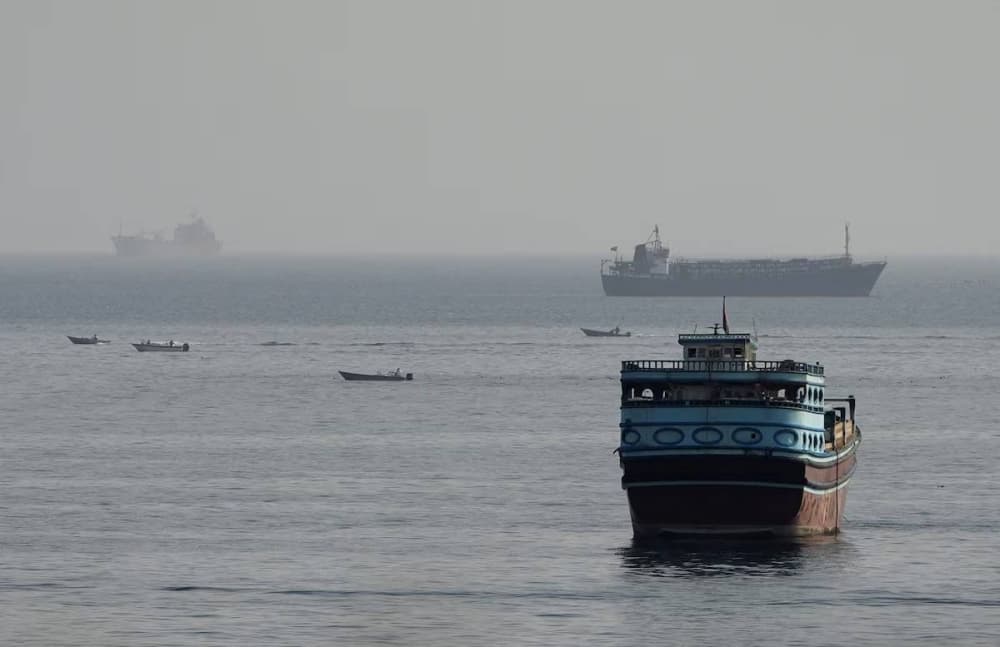
Why it matters
The Strait of Hormuz is a critical chokepoint for global oil and gas shipments, and its reduced traffic signals potential instability in energy markets.
What happened (in 30 seconds)
- Transits dropped to just four commodity vessels on September 18, 2026, down from six the previous day.
- Ongoing conflict between the U.S. and Iran has severely limited maritime traffic through this vital corridor.
- Oil prices surged by over 2% following the release of transit data, reflecting market anxiety.
The context you actually need
- Pre-war averages for the Strait of Hormuz included 120-125 large commercial vessels daily, highlighting the stark contrast with current figures.
- Iran's control over the waterway has intensified, with repeated warnings against unauthorized navigation, further complicating shipping routes.
- Regional security alliances are being reinforced, as countries like Saudi Arabia coordinate efforts to ensure maritime safety amid rising tensions.
What's really happening
The Strait of Hormuz has long been a linchpin in global energy logistics, accounting for approximately 20% of the world's oil and liquefied natural gas (LNG) shipments. However, since the onset of the U.S.-Iran conflict on February 28, 2026, the strait has seen a dramatic decline in vessel transits. On September 18, only four commodity vessels were recorded, a stark drop from the pre-war average of around 125 vessels per day. This decline is not merely a statistical anomaly; it reflects a broader trend of escalating tensions and operational challenges in the region.
The conflict has led to Iranian restrictions on navigation, repeated attacks on vessels, and widespread deactivation of Automatic Identification Systems (AIS) by shipping companies to avoid detection. This has resulted in sustained suppression of traffic volumes, with many reporting periods showing single-digit daily crossings. The implications are profound: as fewer vessels navigate this critical corridor, the global supply of oil and gas becomes increasingly vulnerable to shocks, leading to price volatility.
The immediate aftermath of the transit data release saw oil markets react swiftly, with prices climbing over 2%. This uptick is indicative of market fears surrounding supply disruptions and the potential for further escalation in the region. Iranian authorities have reiterated their control over the strait, signaling that they will continue to enforce navigational restrictions, which could further deter shipping activity.
Moreover, the situation is compounded by the fact that many vessels are operating with AIS transponders disabled, meaning that actual traffic levels could be even lower than reported. This lack of transparency creates uncertainty in the market, making it difficult for stakeholders to gauge the true state of maritime logistics in the region.
As the conflict continues, the likelihood of normalization in vessel traffic appears slim. Regional governments are increasingly coordinating on maritime security, but without a resolution to the underlying tensions, the strait's role as a global energy corridor remains precarious. The ripple effects of this instability will be felt across various sectors, particularly those reliant on oil and gas imports.
Who feels it first (and how)
- Oil and gas companies: Increased operational costs and supply chain disruptions.
- Consumers: Higher prices at the pump and for goods reliant on oil.
- Logistics firms: Challenges in shipping schedules and increased insurance costs.
- Investors: Volatility in energy stocks and commodities markets.
What to watch next
- Oil price trends: Continued increases could signal deeper supply issues and affect global markets.
- Shipping traffic reports: Monitoring vessel transits through the Strait of Hormuz will provide insights into regional stability.
- Geopolitical developments: Any shifts in U.S.-Iran relations could impact maritime security and trade flows.
The Strait of Hormuz is critical for global oil and gas shipments.
Oil prices will remain volatile as tensions persist.
The long-term impact on global supply chains and energy markets.
Frequently Asked Questions
- Why it matters?
- The Strait of Hormuz is a critical chokepoint for global oil and gas shipments, and its reduced traffic signals potential instability in energy markets.
- What happened (in 30 seconds)?
- Transits dropped to just four commodity vessels on September 18, 2026, down from six the previous day. Ongoing conflict between the U.S. and Iran has severely limited maritime traffic through this vital corridor. Oil prices surged by over 2% following the release of transit data, reflecting market anxiety.
- What's really happening?
- The Strait of Hormuz has long been a linchpin in global energy logistics, accounting for approximately 20% of the world's oil and liquefied natural gas (LNG) shipments. However, since the onset of the U.S.-Iran conflict on February 28, 2026, the strait has seen a dramatic decline in vessel transits. On September 18, only four commodity vessels were recorded, a stark drop from the pre-war average of around 125 vessels per day. This decline is not merely a statistical anomaly; it reflects a broade
- Who feels it first (and how)?
- Oil and gas companies: Increased operational costs and supply chain disruptions. Consumers: Higher prices at the pump and for goods reliant on oil. Logistics firms: Challenges in shipping schedules and increased insurance costs. Investors: Volatility in energy stocks and commodities markets.
- What to watch next?
- Oil price trends: Continued increases could signal deeper supply issues and affect global markets. Shipping traffic reports: Monitoring vessel transits through the Strait of Hormuz will provide insights into regional stability. Geopolitical developments: Any shifts in U.S.-Iran relations could impact maritime security and trade flows.
Arabic-language coverage of political affairs and current events.
"Okaz political coverage typically follows mainstream Saudi framing on national and regional affairs."
— A47 Editor
هيئة بريطانية: إصابة ناقلة في مضيق هرمز بمقذوف مجهول
The British Maritime Trade Operations reported that a tanker in the Strait of Hormuz was struck by an unknown projectile, resulting in a fire that was later extinguished. Fortunately, all crew members were confirmed safe, and no environmental damage ...
Coverage of political affairs and regional developments from a Saudi perspective.
"Al Watan political coverage typically follows a mainstream Saudi framing of regional and national issues."
— A47 Editor
عبور مضيق هرمز يتراجع إلى 4 سفن
Recent data from Kepler, a ship tracking company, indicates that only four cargo ships transited the Strait of Hormuz on Thursday, a decrease from six the previous day and below the ten-day average of approximately 16 vessels. At 2 AM GMT, three ship...
Pan-Arab political news and analysis.
"Al-Quds Al-Arabi is a London-based Arabic newspaper known for political coverage."
— A47 Editor
الحرس الثوري يعلن استهداف ناقلة نفط في مضيق هرمز
The Iranian Revolutionary Guard announced the targeting of a Togolese-flagged oil tanker in the Strait of Hormuz, as stated in a report by the official news agency IRNA. Admiral Ali Azmaei, commander of the naval forces of the Revolutionary Guard, in...