
US Forces Facilitate Transit of One Billion Barrels of Oil Through Strait of Hormuz Amid Iranian Export Blockade
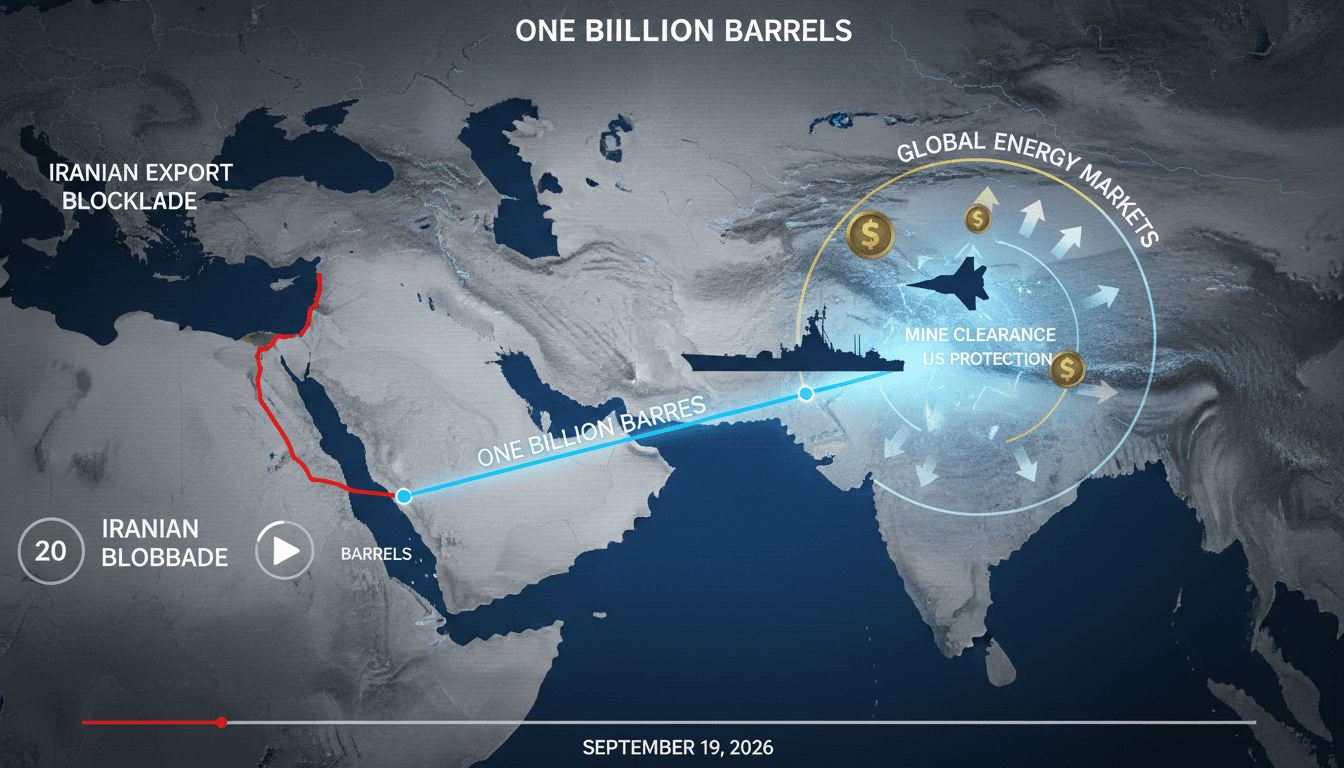
Why it matters
The US's blockade of Iranian oil exports while facilitating Gulf oil transit is crucial for maintaining global energy prices and regional economic stability.
What happened (in 30 seconds)
- Admiral Brad Cooper announced the transit of over one billion barrels of crude oil through the Strait of Hormuz under US protection.
- US forces cleared primary shipping lanes of mines and coordinated the safe passage of over 2,000 commercial vessels.
- Iranian oil exports remain at zero barrels due to an ongoing blockade, reinforcing US maritime security operations in the region.
The context you actually need
- The Strait of Hormuz is a vital chokepoint for approximately 20% of global oil trade, making its security essential for international energy markets.
- Since February 2026, tensions have escalated due to Iranian military actions, prompting US and allied operations to ensure safe navigation and enforce a blockade on Iranian ports.
- Recent operations have seen a significant increase in oil and LNG transit volumes, indicating a recovery in commercial shipping activity despite geopolitical tensions.
What's really happening
On September 19, 2026, Admiral Brad Cooper of US Central Command (CENTCOM) reported a significant milestone: over one billion barrels of crude oil successfully transited the Strait of Hormuz under US protection in just two months. This operation involved the coordination of more than 2,000 commercial vessels, with US forces actively clearing primary shipping lanes of mines and ensuring safe passage for Gulf partners. The blockade against Iranian oil exports has been effective, with Iranian shipments reported at zero barrels.
The Strait of Hormuz serves as a critical artery for global oil trade, and the US's commitment to maintaining security in this region is a strategic move to stabilize energy markets. Following the onset of conflict in February 2026, Iranian forces had laid mines and imposed restrictions that threatened to disrupt this vital trade route. In response, US and allied operations have focused on mine clearance and enforcing a naval blockade on Iranian ports, which has been crucial in restoring freedom of navigation for international commerce.
The recent uptick in oil and LNG transit volumes, surpassing previous six-month peaks, indicates a recovery in commercial shipping activity. This increase is not only vital for regional energy exports but also supports the stability of the shipping sector and broader economic continuity in the Gulf. The US's proactive measures have reassured commercial shipping operators, allowing them to navigate the strait with reduced risk.
Moreover, CENTCOM's operations have included redirecting vessels to enforce compliance with the blockade, showcasing a robust commitment to maritime security. The collaboration with regional partners on air defense and drone countermeasures further strengthens the operational framework, ensuring that the flow of oil continues uninterrupted despite ongoing tensions.
The implications of these operations extend beyond immediate maritime security. They play a crucial role in shaping global energy prices and market dynamics, affecting everything from fuel costs to shipping rates. As the US continues to enforce its blockade and support Gulf partners, the stability of energy markets remains a priority, directly impacting consumers and businesses worldwide.
Who feels it first (and how)
- Energy companies: Increased oil transit stability can lead to more predictable pricing and supply chains.
- Shipping operators: Enhanced security measures reduce risks and insurance costs associated with navigating the Strait of Hormuz.
- Consumers: Fluctuations in global oil prices can directly affect fuel costs and energy bills.
- Regional economies: Countries reliant on oil exports benefit from sustained transit operations, supporting economic growth and stability.
What to watch next
- Oil price fluctuations: Monitor how the stability in the Strait of Hormuz affects global oil prices and market reactions.
- Iranian military actions: Keep an eye on any changes in Iranian tactics that could threaten maritime security or escalate tensions.
- US military operations: Watch for updates on CENTCOM's ongoing operations and any shifts in strategy that could impact regional stability.
The US has successfully facilitated the transit of over one billion barrels of oil through the Strait of Hormuz.
Continued US military presence will maintain the blockade on Iranian oil exports and support regional partners.
The long-term impact of these operations on global oil prices and Iranian responses remains uncertain.
Frequently Asked Questions
- Why it matters?
- The US's blockade of Iranian oil exports while facilitating Gulf oil transit is crucial for maintaining global energy prices and regional economic stability.
- What happened (in 30 seconds)?
- Admiral Brad Cooper announced the transit of over one billion barrels of crude oil through the Strait of Hormuz under US protection. US forces cleared primary shipping lanes of mines and coordinated the safe passage of over 2,000 commercial vessels. Iranian oil exports remain at zero barrels due to an ongoing blockade, reinforcing US maritime security operations in the region.
- What's really happening?
- On September 19, 2026, Admiral Brad Cooper of US Central Command (CENTCOM) reported a significant milestone: over one billion barrels of crude oil successfully transited the Strait of Hormuz under US protection in just two months. This operation involved the coordination of more than 2,000 commercial vessels, with US forces actively clearing primary shipping lanes of mines and ensuring safe passage for Gulf partners. The blockade against Iranian oil exports has been effective, with Iranian shipm
- Who feels it first (and how)?
- Energy companies: Increased oil transit stability can lead to more predictable pricing and supply chains. Shipping operators: Enhanced security measures reduce risks and insurance costs associated with navigating the Strait of Hormuz. Consumers: Fluctuations in global oil prices can directly affect fuel costs and energy bills. Regional economies: Countries reliant on oil exports benefit from sustained transit operations, supporting economic growth and stability.
- What to watch next?
- Oil price fluctuations: Monitor how the stability in the Strait of Hormuz affects global oil prices and market reactions. Iranian military actions: Keep an eye on any changes in Iranian tactics that could threaten maritime security or escalate tensions. US military operations: Watch for updates on CENTCOM's ongoing operations and any shifts in strategy that could impact regional stability.
International news coverage curated for readers in the UAE and Gulf region.
"Emirates 24|7 world coverage presents global developments through a UAE-facing and Gulf-relevant editorial lens."
— A47 Editor
CENTCOM: More than 1 billion barrels of oil moved through Hormuz in two months
Admiral Brad Cooper, Commander of the US Central Command (CENTCOM), announced that US forces have facilitated the safe transit of over one billion barrels of crude oil through the Strait of Hormuz in the past two months, marking a significant increas...
Capitol Hill news, legislation, and policy insight.
"The Hill specializes in U.S. politics and policy, with a focus on Capitol Hill developments and a reputation for insider reporting."
— A47 Editor
Centcom: Over 1B crude oil barrels passed through Hormuz strait in recent months
U.S. Central Command (Centcom) Commander Adm. Brad Cooper announced that over 1 billion barrels of crude oil have been transported through the Strait of Hormuz in recent months, despite ongoing tensions and military exchanges with Iran. This mileston...
English-language reporting on Saudi politics, policy, and society.
"Saudi Gazette reflects mainstream Saudi institutional perspectives."
— A47 Editor
CENTCOM says over 1 billion barrels of crude passed through Strait of Hormuz under US blockade
US Central Command (CENTCOM) reported that over 1 billion barrels of crude oil have passed through the Strait of Hormuz under a military blockade, with US forces providing protection for more than 2,000 commercial vessel transits. This significant vo...
Arabic-language coverage of international news and geopolitics.
"RT Arabic is a Russian state-funded outlet often criticized for promoting Kremlin-aligned narratives."
— A47 Editor
"سنتكوم": أكثر من مليار برميل نفط عبرت مضيق هرمز خلال شهرين
U.S. Central Command (CENTCOM) leader, Brad Cooper, announced that American forces have facilitated the passage of over one billion barrels of oil through the Strait of Hormuz in the past two months. This significant movement underscores the strategi...
Corporate leadership, finance, technology, and market trends.
"Fortune covers financial trends, leadership, and innovation with a pragmatic editorial approach."
— A47 Editor
Central Command says U.S. military has aided the transit of 1 billion barrels of oil through Hormuz in past two months while Iran has ‘exported zero’
Central Command reported that the U.S. military has facilitated the transit of 1 billion barrels of oil through the Strait of Hormuz over the past two months, while Iran has reportedly exported none during this period. This surge in oil transit marks...