
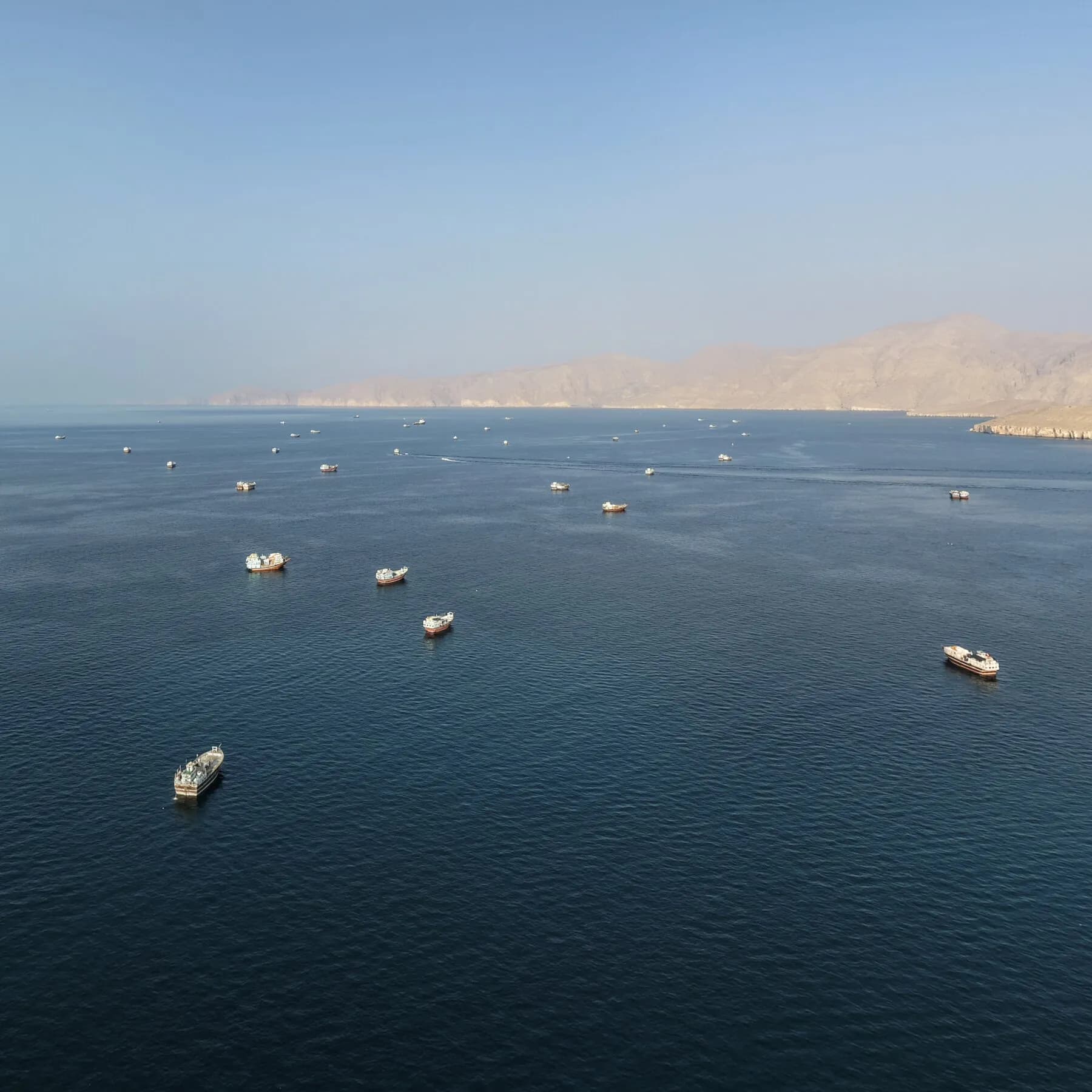
Drone and missile attacks escalate in Strait of Hormuz impacting global oil trade
Why it matters
The stability of global oil supplies is increasingly threatened by regional conflicts, affecting energy prices worldwide.
What happened (in 30 seconds)
- At least 11 drone and missile attacks targeted oil tankers in the Strait of Hormuz, with four strikes occurring just before October 5, 2026.
- Saudi Arabian oil facilities were also struck, raising alarms about the security of energy exports from the Persian Gulf.
- Brent crude prices remain elevated near $102 per barrel, reflecting concerns over supply disruptions amid ongoing regional tensions.
The context you actually need
- The attacks are part of a broader conflict involving Iran, Iran-backed Houthis, and Saudi Arabia, which has seen increased military actions over the past seven months.
- Gulf exporters have turned to alternative routes and pipelines to maintain oil exports, but these methods are fragile and susceptible to disruption.
- Global oil stocks have plummeted from approximately 10 billion barrels at the start of the conflict to about 6 billion barrels, indicating a tightening supply.
What's really happening
The recent surge in drone and missile strikes in the Strait of Hormuz highlights the precarious state of global oil trade. Since late September 2026, the frequency of attacks has escalated, with the Houthis claiming responsibility for several incidents, including a significant strike on a Saudi Aramco facility. These actions are perceived as attempts by Iran and its allies to assert control over the vital shipping lanes that facilitate a substantial portion of the world's oil supply.
The backdrop to these events is a protracted conflict that has seen the U.S. and Israel conduct strikes against Iranian targets, prompting Iran to respond aggressively. The Strait of Hormuz, a critical chokepoint for oil transport, has become a focal point of military tension, with Iran asserting its influence and threatening to disrupt shipping. This has led to increased reliance on alternative routes and pipelines by Gulf exporters, including Saudi Arabia, to sustain export levels. However, these alternatives are not foolproof and remain vulnerable to attacks.
The situation is compounded by the depletion of global oil stocks, which have fallen significantly since the onset of the conflict. Saudi Aramco's CEO has warned of thin global stockpiles, which could lead to further price increases and supply challenges. The recent attacks have not only raised immediate concerns about the safety of maritime operations but have also highlighted the long-term vulnerabilities in the global oil supply chain.
As the conflict continues, the potential for further disruptions looms large. The U.S. has deployed naval forces to protect shipping, but the effectiveness of these measures is being tested as attacks become more frequent and sophisticated. Analysts suggest that the use of "dark shipping" tactics—where vessels operate without transponders to avoid detection—may become the norm, further complicating the security landscape.
In summary, the combination of military aggression, declining oil stocks, and fragile export routes creates a precarious environment for global oil trade, with implications that extend far beyond the region.
Who feels it first (and how)
- Energy consumers: Higher fuel and electricity prices due to increased Brent crude prices.
- Businesses reliant on oil: Increased operational costs affecting profit margins.
- Investors in energy markets: Volatility in oil prices impacting investment strategies.
What to watch next
- Continued military actions: Monitor for further strikes in the region, which could escalate tensions and disrupt oil supplies.
- Global oil stock levels: Watch for updates on stock levels, as further declines could lead to price spikes.
- G7 responses: Observe how the G7's emergency stock releases impact market stability and oil prices.
Attacks on oil infrastructure are ongoing and pose a risk to global oil supplies.
Oil prices will remain volatile as tensions persist in the region.
The long-term effectiveness of U.S. naval protection in deterring further attacks.
Frequently Asked Questions
- Why it matters?
- The stability of global oil supplies is increasingly threatened by regional conflicts, affecting energy prices worldwide.
- What happened (in 30 seconds)?
- At least 11 drone and missile attacks targeted oil tankers in the Strait of Hormuz, with four strikes occurring just before October 5, 2026. Saudi Arabian oil facilities were also struck, raising alarms about the security of energy exports from the Persian Gulf. Brent crude prices remain elevated near $102 per barrel, reflecting concerns over supply disruptions amid ongoing regional tensions.
- What's really happening?
- The recent surge in drone and missile strikes in the Strait of Hormuz highlights the precarious state of global oil trade. Since late September 2026, the frequency of attacks has escalated, with the Houthis claiming responsibility for several incidents, including a significant strike on a Saudi Aramco facility. These actions are perceived as attempts by Iran and its allies to assert control over the vital shipping lanes that facilitate a substantial portion of the world's oil supply. The backdr
- Who feels it first (and how)?
- Energy consumers: Higher fuel and electricity prices due to increased Brent crude prices. Businesses reliant on oil: Increased operational costs affecting profit margins. Investors in energy markets: Volatility in oil prices impacting investment strategies.
- What to watch next?
- Continued military actions: Monitor for further strikes in the region, which could escalate tensions and disrupt oil supplies. Global oil stock levels: Watch for updates on stock levels, as further declines could lead to price spikes. G7 responses: Observe how the G7's emergency stock releases impact market stability and oil prices.
English-language digital publication covering business, politics, technology, and current affairs.
"The Arabian Post mixes original and syndicated-style coverage with a broad regional and global business-news orientation."
— A47 Editor
Aramco broadens export options as Hormuz strain persists
Saudi Aramco is exploring additional crude export routes and expanding overseas storage options due to ongoing disruptions in the Strait of Hormuz, which CEO Amin Nasser described as the most severe energy supply shock of his career. This situation h...
Markets, economy, and company analysis from NYT’s business desk.
"The New York Times is a globally recognized newspaper offering authoritative reporting with a center-left editorial stance."
— A47 Editor
Burst of Attacks in Gulf Heightens Fears Over Fragile Energy Trade
Recent attacks on tankers in the Strait of Hormuz and Saudi oil infrastructure have raised significant concerns over the stability of energy trade in the region, coinciding with an increase in oil exports as exporters sought to meet global demand.
English-language reporting on Saudi politics, policy, and society.
"Saudi Gazette reflects mainstream Saudi institutional perspectives."
— A47 Editor
Aramco chief sounds alarm as global oil stocks hit critical lows
Saudi Aramco CEO Amin Nasser has raised concerns over critically low global oil stockpiles, warning that energy markets remain vulnerable to supply disruptions unless the Strait of Hormuz is fully reopened. He noted that rebuilding reserves depleted ...
English-language reporting focused on Saudi Arabia and regional affairs.
"Saudi Gazette provides English-language coverage that often aligns with mainstream Saudi news priorities."
— A47 Editor
Aramco chief sounds alarm as global oil stocks hit critical lows
Saudi Aramco CEO Amin Nasser has raised concerns over critically low global oil stockpiles, warning that energy markets remain vulnerable to supply disruptions unless the Strait of Hormuz is fully reopened. He noted that rebuilding reserves depleted ...