
Unexplained Death of Laboratory Technician at Russian Anti-Plague Institute Raises Concerns
Why it matters
This incident highlights vulnerabilities in laboratory safety protocols that could have far-reaching implications for public health worldwide.
What happened (in 30 seconds)
- Darya Shipilova, a 28-year-old laboratory technician, died on October 2, 2026, from pneumonia of unknown origin.
- Extensive testing of over 5,500 samples from her and her contacts revealed no evidence of plague or other dangerous pathogens.
- The World Health Organization is seeking further diagnostic information amid initial reports of a possible pneumonic plague case.
The context you actually need
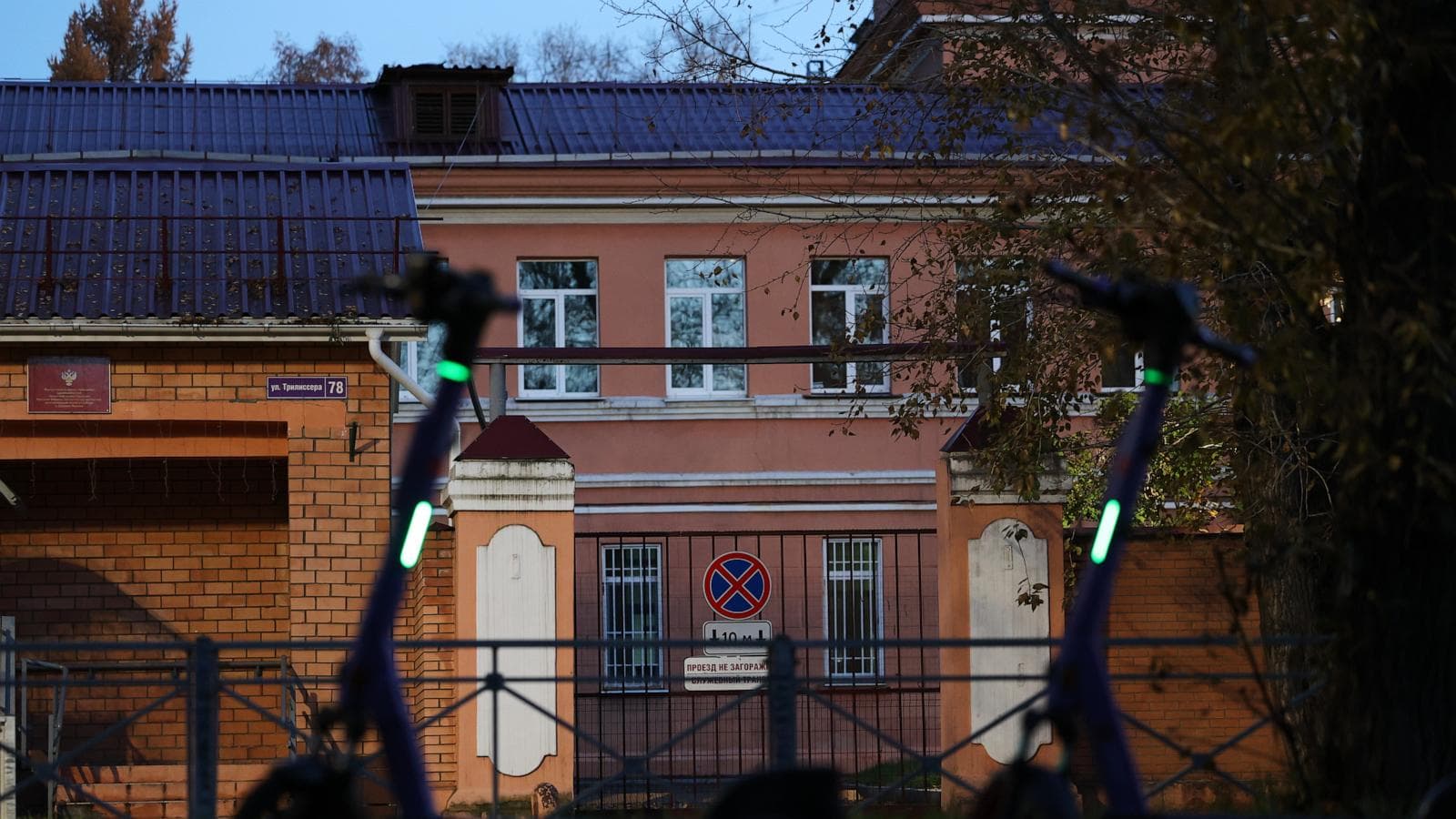
- The Irkutsk Anti-Plague Research Institute conducts research on Yersinia pestis, the bacterium that causes plague, in a region where it is endemic.
- Russian authorities have faced scrutiny over laboratory safety practices, especially following previous incidents involving plague bacteria.
- International observers, including the WHO, are monitoring the situation closely, emphasizing the need for transparency in health reporting.
What's really happening
The death of Darya Shipilova has raised alarms not just in Russia but globally, as it underscores the potential risks associated with laboratory work involving high-threat pathogens. Shipilova fell ill in late September 2026, shortly after either a possible workplace exposure or travel. Her symptoms escalated rapidly, leading to hospitalization and her eventual death. Initial media speculation suggested a lab accident, possibly involving a broken test tube containing live bacteria or an infection contracted during fieldwork. However, Russian officials have firmly denied any connection to a lab accident or plague outbreak, attributing her death to pneumonia of unknown etiology.
The extensive testing conducted by Russian health officials, which included over 5,500 tests on Shipilova and her contacts, yielded no evidence of dangerous pathogens. This thorough investigation has led to the lifting of quarantine measures for over 200 individuals who had contact with her. Despite this, the WHO has called for additional diagnostic information, indicating that the situation remains under scrutiny. The lack of confirmed plague cases, as reported by Russian authorities, has not quelled concerns, especially given the historical context of laboratory safety in Russia.
The Irkutsk institute's research on Yersinia pestis is critical, as plague naturally occurs in local rodent populations. This incident occurs against a backdrop of heightened international scrutiny regarding biosafety practices in Russian laboratories. Previous reports have indicated lapses in safety protocols, raising questions about the adequacy of measures in place to prevent accidents or outbreaks.
The implications of this incident extend beyond immediate health concerns. It raises questions about the integrity of laboratory practices and the transparency of health reporting in Russia. The international community, including U.S. officials, is monitoring developments closely, although no public alerts have been issued. The absence of market shifts or widespread economic effects suggests that, for now, the incident has not triggered a broader public health crisis. However, the potential for future incidents remains a concern, particularly in regions where high-threat pathogens are studied.
Who feels it first (and how)
- Laboratory workers: Increased scrutiny and potential changes in safety protocols.
- Public health officials: Heightened awareness and monitoring of laboratory practices.
- International health organizations: Pressure to ensure transparency and safety in pathogen research.
What to watch next
- Further diagnostic updates: Continued requests for information from the WHO could reveal more about the cause of death and implications for public health.
- Changes in laboratory safety regulations: Potential reforms in biosafety practices in Russia and globally could emerge in response to this incident.
- Public health alerts: Watch for any new cases or health advisories that may arise as investigations continue.
Darya Shipilova died from pneumonia of unknown etiology; extensive testing found no dangerous pathogens.
Increased scrutiny of laboratory safety practices and potential regulatory changes in response to this incident.
The exact cause of Shipilova's pneumonia and whether it poses any ongoing risk to public health.
Frequently Asked Questions
- Why it matters?
- This incident highlights vulnerabilities in laboratory safety protocols that could have far-reaching implications for public health worldwide.
- What happened (in 30 seconds)?
- Darya Shipilova, a 28-year-old laboratory technician, died on October 2, 2026, from pneumonia of unknown origin. Extensive testing of over 5,500 samples from her and her contacts revealed no evidence of plague or other dangerous pathogens. The World Health Organization is seeking further diagnostic information amid initial reports of a possible pneumonic plague case.
- What's really happening?
- The death of Darya Shipilova has raised alarms not just in Russia but globally, as it underscores the potential risks associated with laboratory work involving high-threat pathogens. Shipilova fell ill in late September 2026, shortly after either a possible workplace exposure or travel. Her symptoms escalated rapidly, leading to hospitalization and her eventual death. Initial media speculation suggested a lab accident, possibly involving a broken test tube containing live bacteria or an infectio
- Who feels it first (and how)?
- Laboratory workers: Increased scrutiny and potential changes in safety protocols. Public health officials: Heightened awareness and monitoring of laboratory practices. International health organizations: Pressure to ensure transparency and safety in pathogen research.
- What to watch next?
- Further diagnostic updates: Continued requests for information from the WHO could reveal more about the cause of death and implications for public health. Changes in laboratory safety regulations: Potential reforms in biosafety practices in Russia and globally could emerge in response to this incident. Public health alerts: Watch for any new cases or health advisories that may arise as investigations continue.
In-depth reporting on tech, policy, and science including AI.
"Respected analysis for technically savvy readers, including AI topics."
— A47 Editor
WHO report on Russian lab worker death highlights "key uncertainty"
A recent WHO report has raised significant concerns following the unexplained death of a laboratory worker in Russia, highlighting a critical uncertainty regarding the cause of death and the adequacy of existing safety measures. The worker was employ...
In-depth coverage of hardware, software, science, and policy.
"Ars Technica provides expert technology news, hardware reviews, and analysis for a technically savvy audience."
— A47 Editor
WHO report on Russian lab worker death highlights "key uncertainty"
A recent WHO report has raised significant concerns following the unexplained death of a laboratory worker in Russia, highlighting a critical uncertainty regarding the cause of death and the adequacy of existing safety measures. The worker was employ...
Global news coverage with extensive reporting on Middle Eastern conflicts and geopolitics.
"Al Jazeera is a Qatar-based broadcaster known for wide regional coverage and alternative perspectives."
— A47 Editor
WHO says no plague case registered after Russian lab worker’s death
The World Health Organization (WHO) has reported that no cases of plague have been confirmed following the death of a laboratory worker at the Irkutsk Anti-Plague Institute in Russia. The worker exhibited pneumonia-like symptoms before her death, lea...
Comprehensive coverage of Middle Eastern and global issues.
"Al Jazeera is a prominent voice from the Global South, especially the Middle East, with an emphasis on underreported stories."
— A47 Editor
WHO says no plague case registered after Russian lab worker’s death
The World Health Organization (WHO) has reported that no cases of plague have been confirmed following the death of a laboratory worker at the Irkutsk Anti-Plague Institute in Russia. The worker exhibited pneumonia-like symptoms before her death, lea...
Medical headlines, wellness tips, and public health guidance.
"ABC News delivers broad national coverage with a mainstream editorial stance, focusing on accessibility and balanced reporting."
— A47 Editor
Mystery surrounds young worker's death at Russia lab studying severe diseases
A young female worker at a plague research laboratory in Russia has died from pneumonia of unknown origin, prompting investigations by the World Health Organization (WHO) and raising concerns about the circumstances surrounding her death. Russian aut...
Conservative-leaning political and national coverage.
"The Washington Times is a conservative-leaning newspaper known for its political coverage and advocacy of right-of-center viewpoints."
— A47 Editor
Mystery surrounds young worker's death at Russia lab studying severe diseases
The World Health Organization is investigating the death of a 28-year-old woman who worked at an anti-plague laboratory in Russia, with no clear cause identified yet. This incident has raised alarms about a potential outbreak of pneumonic plague, par...