
Houthi Attacks on Saudi Airports and Energy Infrastructure Escalate Economic Challenges
Why it matters
The recent Houthi strikes exacerbate existing economic vulnerabilities in Saudi Arabia, impacting global oil markets and regional stability.
What happened (in 30 seconds)
- Houthi forces launched missile and drone strikes on Saudi airports and energy facilities from October 10-12, 2026, resulting in at least 14 fatalities and hundreds injured.
- Flight operations were suspended at King Khalid International Airport in Riyadh and King Fahd International Airport in Dammam, leading to significant cancellations of international events.
- Saudi Arabia's economy faces intensified strain, with projections of a 3.6% GDP contraction for 2026, as security costs rise and foreign investment confidence wanes.
The context you actually need
- The strikes are part of a broader escalation linked to the US-Iran conflict, which has already disrupted regional trade routes and increased tensions.
- Saudi Arabia's Vision 2030 initiative to diversify its economy is under threat, as infrastructure vulnerabilities hinder tourism and foreign direct investment (FDI).
- The Houthi movement's increased military activity reflects ongoing instability in Yemen, complicating Saudi Arabia's security landscape and economic outlook.
What's really happening
The recent missile and drone strikes by Houthi forces mark a significant escalation in the ongoing conflict that has plagued the region for years. These attacks are not isolated incidents but rather a continuation of a pattern of aggression linked to the broader US-Iran tensions that have intensified since early 2026. The strikes targeted key infrastructure, including airports and energy facilities, which are vital to Saudi Arabia's economy and its global oil supply chain.
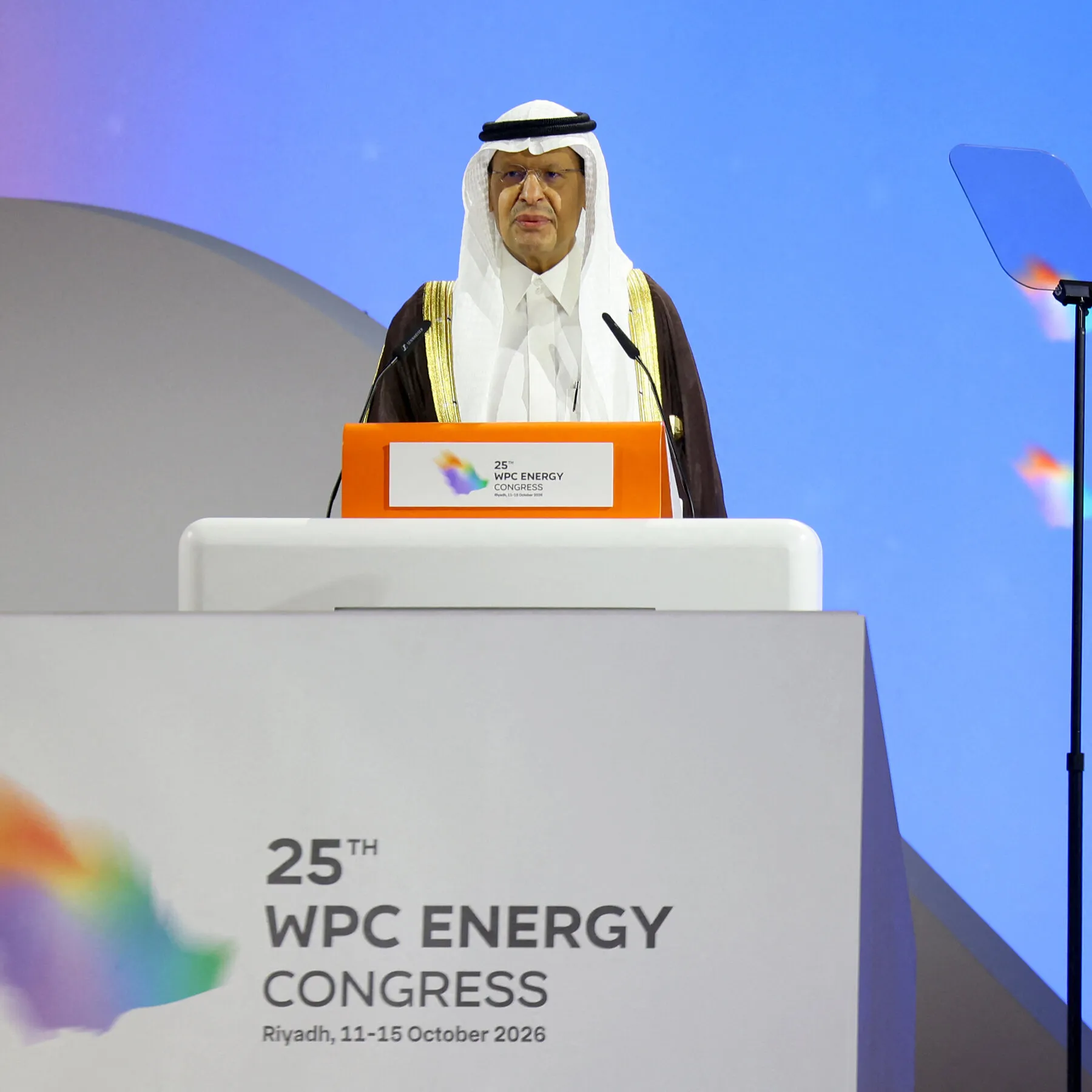
The immediate impact of these attacks has been severe. With at least 14 people killed and hundreds injured, the strikes have led to the suspension of flight operations at major airports, including King Khalid International Airport in Riyadh. This disruption has not only affected domestic travel but has also had ripple effects on international airlines and business events, such as the World Petroleum Congress, which faced cancellations and heightened security measures.
Economically, Saudi Arabia was already grappling with a projected GDP contraction of 3.6% for 2026, exacerbated by prior pipeline disruptions and the need for increased defense spending. The strikes have further widened the budget deficit and raised concerns about the kingdom's ability to attract foreign investment. The Vision 2030 initiative, aimed at diversifying the economy away from oil dependency, is now at greater risk as infrastructure vulnerabilities become more pronounced.
The Houthi movement's actions are driven by a combination of regional power dynamics and internal pressures within Yemen. As Iranian-aligned militias continue to exert influence, the conflict's implications extend beyond Saudi borders, affecting the entire Gulf region. The strikes signal a shift in the balance of power, with Houthi forces demonstrating their capability to strike at the heart of Saudi Arabia's economic infrastructure.
In response, Saudi authorities have vowed to enhance security measures and retaliate against these attacks, but the long-term implications for the economy remain uncertain. Investors are likely to reassess their positions in light of the increased risks, potentially leading to a slowdown in foreign direct investment that the kingdom desperately needs to achieve its economic goals.
Who feels it first (and how)
- International airlines: Facing flight cancellations and increased operational costs due to heightened security.
- Investors and businesses: Experiencing reduced confidence in the Saudi market, impacting foreign direct investment targets.
- Tourism sectors: Likely to see a decline in visitors as safety concerns rise, affecting local economies reliant on tourism.
- Local residents: Directly impacted by increased security measures and potential economic downturns.
What to watch next
- Flight operations recovery: Monitor how quickly Saudi airports resume normal operations and the impact on regional travel.
- Foreign investment trends: Watch for shifts in FDI inflows as investors reassess the risks associated with Saudi Arabia's stability.
- Regional security developments: Keep an eye on the responses from Saudi Arabia and its allies, which could influence the broader geopolitical landscape.
The strikes have caused immediate disruptions to air travel and economic activities in Saudi Arabia.
Increased security costs and reduced foreign investment will further strain the Saudi economy.
The long-term effects on regional stability and the potential for escalated military responses from Saudi Arabia.
Frequently Asked Questions
- Why it matters?
- The recent Houthi strikes exacerbate existing economic vulnerabilities in Saudi Arabia, impacting global oil markets and regional stability.
- What happened (in 30 seconds)?
- Houthi forces launched missile and drone strikes on Saudi airports and energy facilities from October 10-12, 2026, resulting in at least 14 fatalities and hundreds injured. Flight operations were suspended at King Khalid International Airport in Riyadh and King Fahd International Airport in Dammam, leading to significant cancellations of international events. Saudi Arabia's economy faces intensified strain, with projections of a 3.6% GDP contraction for 2026, as security costs rise and forei
- What's really happening?
- The recent missile and drone strikes by Houthi forces mark a significant escalation in the ongoing conflict that has plagued the region for years. These attacks are not isolated incidents but rather a continuation of a pattern of aggression linked to the broader US-Iran tensions that have intensified since early 2026. The strikes targeted key infrastructure, including airports and energy facilities, which are vital to Saudi Arabia's economy and its global oil supply chain. The immediate impact
- Who feels it first (and how)?
- International airlines: Facing flight cancellations and increased operational costs due to heightened security. Investors and businesses: Experiencing reduced confidence in the Saudi market, impacting foreign direct investment targets. Tourism sectors: Likely to see a decline in visitors as safety concerns rise, affecting local economies reliant on tourism. Local residents: Directly impacted by increased security measures and potential economic downturns.
- What to watch next?
- Flight operations recovery: Monitor how quickly Saudi airports resume normal operations and the impact on regional travel. Foreign investment trends: Watch for shifts in FDI inflows as investors reassess the risks associated with Saudi Arabia's stability. Regional security developments: Keep an eye on the responses from Saudi Arabia and its allies, which could influence the broader geopolitical landscape.
International news coverage curated for readers in the UAE and Gulf region.
"Emirates 24|7 world coverage presents global developments through a UAE-facing and Gulf-relevant editorial lens."
— A47 Editor
Riyadh airport closure extended; missile intercepted over Khamis Mushait in Saudi Arabia
Saudi Arabia has extended the closure of King Khalid International Airport in Riyadh following the interception of a ballistic missile aimed at Khamis Mushait, attributed to the Houthi militia. This decision comes amidst ongoing threats from drone an...
Editor-curated FT homepage stories spanning markets, business, world, and opinion.
"The Financial Times is a globally respected business publication with a centrist/center-left tone and strong markets focus."
— A47 Editor
Houthi assault on Saudi airports strikes at MBS’s economic vision
Yemen's Houthi rebels have intensified their assault on Saudi Arabia, targeting Riyadh's international airport, which threatens the crown prince's vision of transforming the kingdom into a global finance and events hub. The recent missile strikes hav...
International coverage from The Guardian's global desks.
"The Guardian is known for its progressive editorial stance and in-depth analysis."
— A47 Editor
Saudi Arabia further suspends flights after latest deadly Houthi attack on airport
Saudi Arabia has suspended all flights to and from King Khalid International Airport in Riyadh until next Saturday following a series of missile attacks by Yemen's Houthi rebels, which resulted in multiple fatalities and injuries. The latest attack l...
Markets, economy, and company analysis from NYT’s business desk.
"The New York Times is a globally recognized newspaper offering authoritative reporting with a center-left editorial stance."
— A47 Editor
Strikes Put Saudi Arabia’s Economy Under Pressure
Recent Houthi strikes on Saudi Arabia's main airport have escalated tensions, resulting in casualties and raising concerns over the country's security and economic stability. The attacks coincide with Saudi Arabia's efforts to maintain energy product...
Breaking news and analysis from the UAE and Gulf region.
"Khaleej Times is a long-running UAE publication with broad regional coverage."
— A47 Editor
Flydubai, Etihad extend Saudi flight cancellations amid Houthi attacks
Flydubai and Etihad Airways have announced the extension of flight cancellations to Saudi Arabia due to ongoing Houthi attacks, which have escalated in recent weeks. This decision follows a series of missile strikes that have targeted airports, inclu...
International coverage of politics, security, and social issues.
"Global News is a mainstream Canadian outlet with a centrist editorial stance, focusing on factual reporting."
— A47 Editor
Saudi Arabia extends airport closure and moves Riyadh schools online as attack threats continue
Saudi Arabia has extended the closure of its main international airport and transitioned schools in Riyadh to online learning due to ongoing threats of airstrikes from Yemen's Houthi rebels. This decision follows a series of missile attacks targeting...
Breaking news and analysis from the UAE and Gulf region.
"Khaleej Times is a long-running UAE publication with broad regional coverage."
— A47 Editor
Travellers rethink Saudi Arabia-UAE flight plans after Riyadh airport attack
Recent missile attacks on King Khalid International Airport in Riyadh have prompted travelers to reconsider their flight plans between Saudi Arabia and the UAE. The attacks, attributed to Yemen's Houthi rebels, have resulted in significant casualties...